SAEDNEWS: Some children may avoid looking at others while speaking because of shyness, nervousness, difficulty concentrating, unfamiliar situations, or a preference for reduced visual stimulation. Understanding the possible reasons can help parents respond calmly and support the child without creating unnecessary pressure.
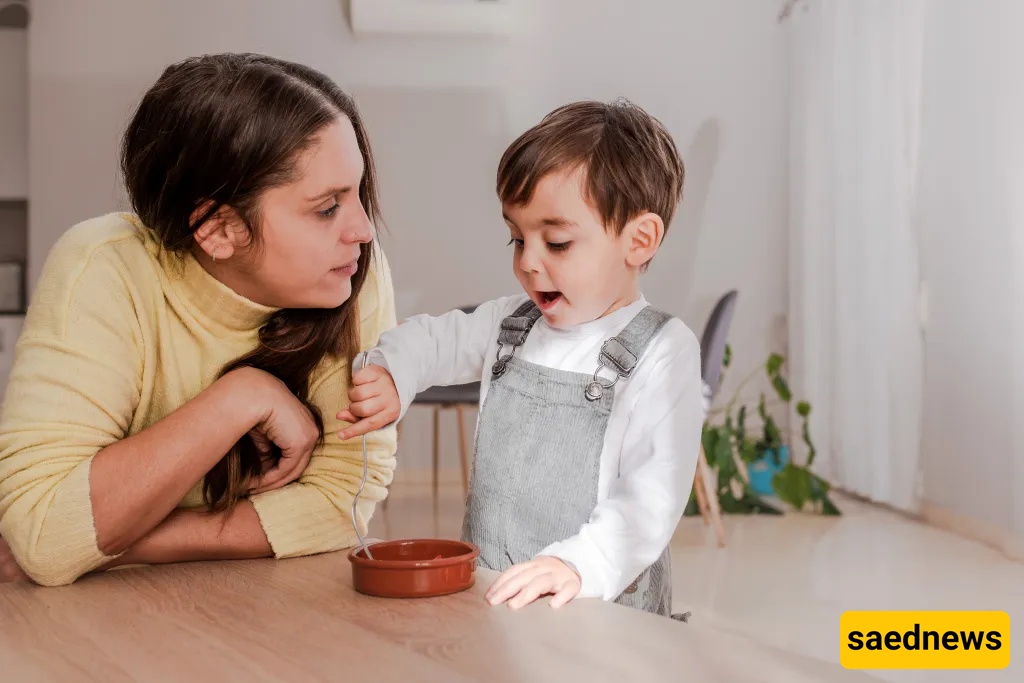
According to SAEDNEWS, avoiding eye contact while speaking does not always indicate a problem. Children develop communication skills at different rates, and some may naturally feel more comfortable looking away while expressing their thoughts. Paying attention to the child's overall communication, behavior, and comfort level can provide a better understanding of the situation.
A child may look away when feeling shy, embarrassed, or nervous around other people. Speaking directly to someone can feel challenging, especially in unfamiliar environments or when the child believes they are being closely observed. A calm and supportive response can gradually help the child feel more confident.
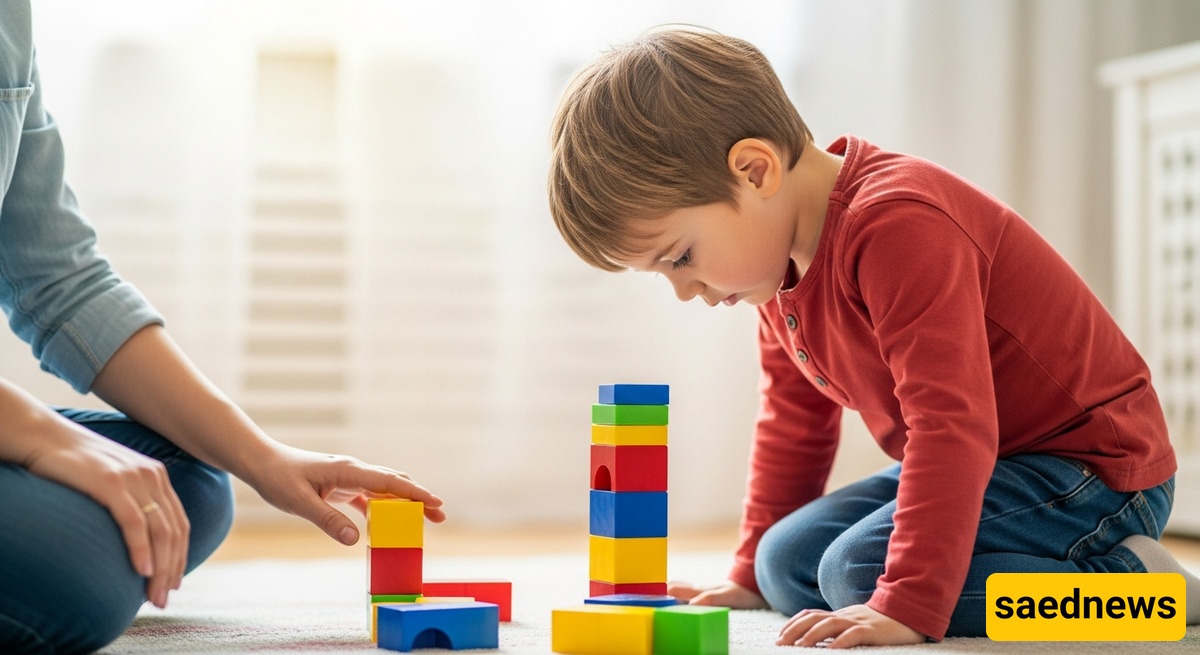
Looking away can sometimes help a child concentrate on what they want to say. Maintaining eye contact while organizing thoughts and choosing words may feel distracting for some children. In such cases, looking elsewhere does not necessarily mean the child is ignoring the listener.
Children may be less likely to make eye contact when speaking with unfamiliar adults, visitors, teachers, or other children. Familiarity and trust often influence how comfortably a child communicates. Giving the child enough time to become comfortable can make conversations easier.
Repeatedly telling a child to “look at me” may increase nervousness and make speaking more difficult. Parents can instead listen patiently, maintain a warm tone, and allow natural eye contact to develop. Encouraging communication is generally more helpful than demanding a specific way of interacting.
If avoiding eye contact happens frequently alongside significant difficulty communicating, responding to others, or participating in everyday interactions, parents may want to discuss their observations with a qualified child-development professional. Looking at the child's overall behavior rather than focusing on eye contact alone can provide a more complete picture.