SAEDNEWs: Golestan Palace is famous for mirror halls, brilliant tilework, gardens, portraits, and royal interiors. Its deeper story is about cultural negotiation: Qajar rulers encountered European forms and technologies, then reshaped them through Iranian craft, politics, and ideas of monarchy.
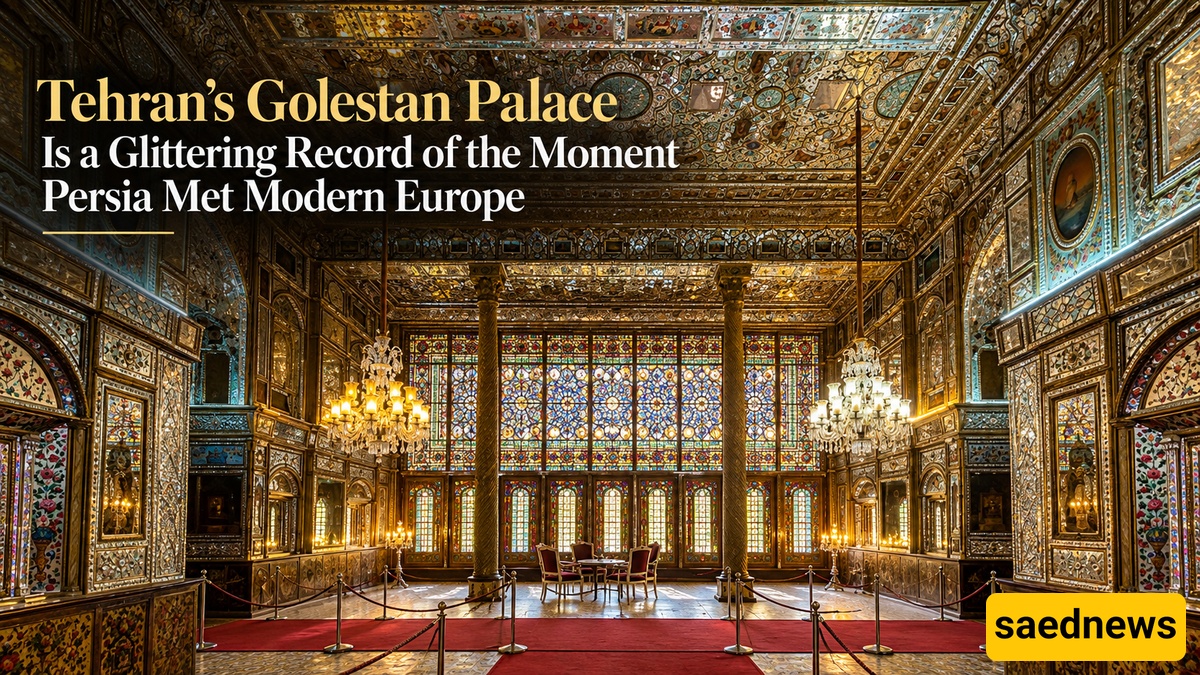
According to SAEDNEWS, In the historic center of Tehran, Golestan Palace seems at first to overwhelm the eye. Mirror mosaics scatter light across walls and ceilings. Painted tiles combine vivid colors with scenes of courtly life and foreign influence. Marble, carved stone, gardens, portraits, gifts, and imported objects sit within a royal complex that feels both deeply Iranian and unmistakably connected to a wider nineteenth-century world.
That combination is exactly what makes Golestan important. The site has roots in earlier periods, including the Safavid era, but much of its characteristic appearance developed under the Qajar dynasty. As Tehran grew into a political capital, the palace became a stage on which rulers represented power, taste, modernity, and international awareness.
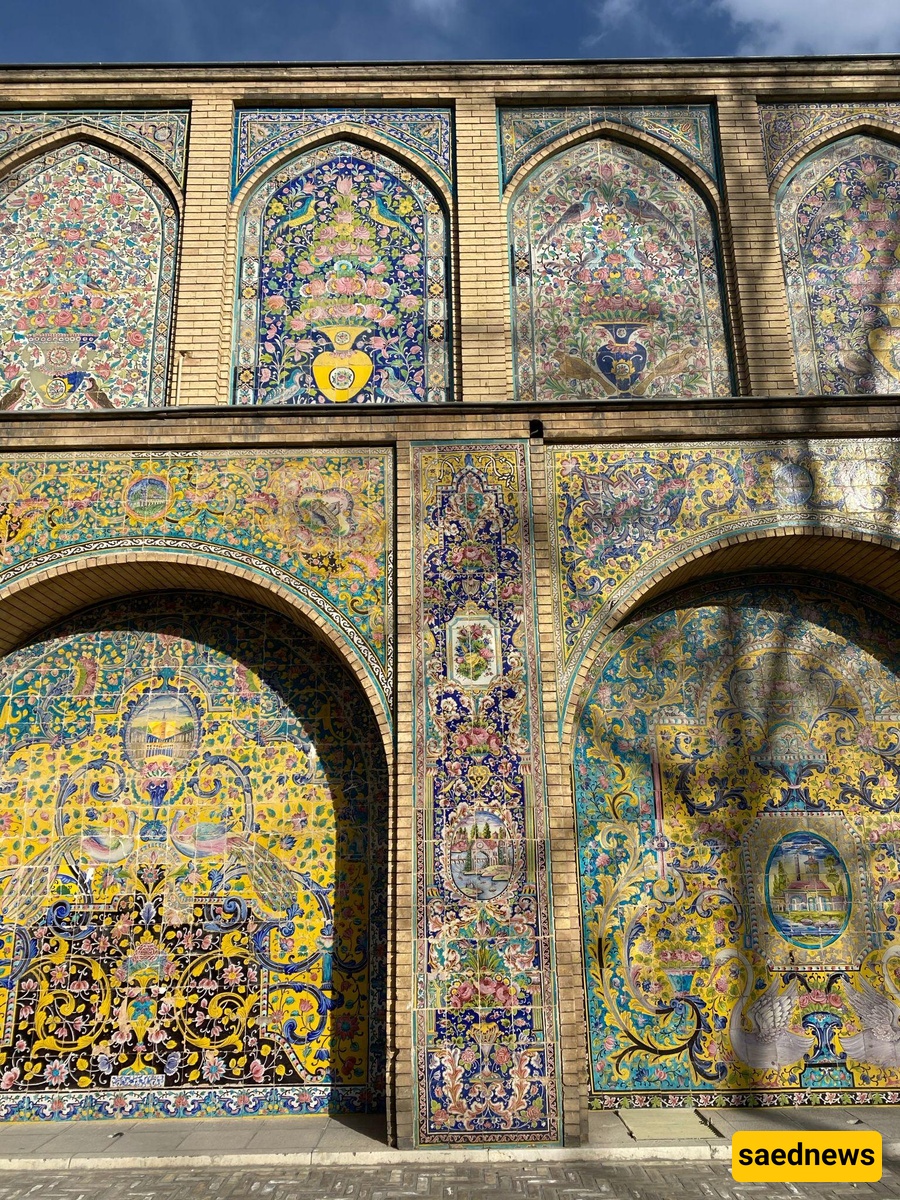
European influence was increasingly visible during the nineteenth century, but it did not simply replace Iranian traditions. Qajar patrons encountered foreign architecture, painting, photography, objects, and modes of display, then selected what interested them. Imported ideas were translated through local materials and craftsmanship. The result was not a clean division between “Persian” and “European” design but a hybrid court language in which the two could become difficult to separate.
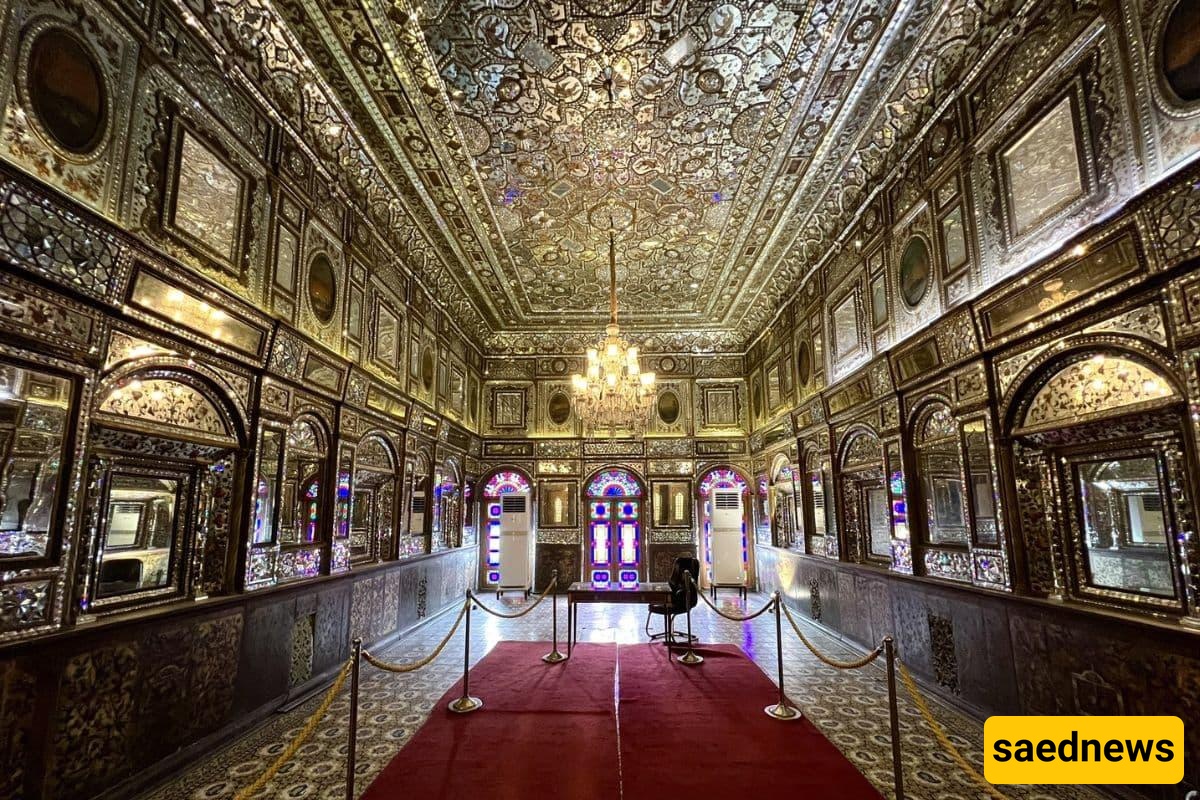
The palace’s mirrorwork is perhaps the most spectacular example of how material and experience meet. Thousands of small reflective pieces fracture a room into countless points of light. Unlike a conventional mirror, the surface does not give the visitor one stable image. It multiplies movement, turns chandeliers into constellations, and makes every person in the room part of the decoration. The effect is glamorous, but it is also technically demanding: repetition only works when the underlying craft is precise.
Golestan Palace also belongs to the history of modern media in Iran. The Qajar court embraced portraiture and photography, and Naser al-Din Shah became particularly associated with the new medium. Images helped the court document people, buildings, journeys, ceremonies, and royal life. Photography offered new possibilities for record-keeping and self-representation at the same moment that the palace itself was absorbing new visual influences.
Seen this way, Golestan is more than a collection of beautiful rooms. It is a record of a society negotiating change. Its spaces preserve evidence of how rulers wanted to appear, what they admired abroad, what they chose to keep from established Iranian traditions, and how artists transformed those choices into a new visual world.
The palace is beautiful precisely because it resists the idea of cultural purity. Its surfaces show Tehran becoming a modern capital while Persian court culture learned to speak in several visual languages at once.