SAEDNEWS: Archaeologists in northeastern Italy, near the city of Faenza, have discovered the skeletal remains of an infant inside an ancient well. The child is believed to have lived around 4,000 to 5,000 years ago, during the period known as the Copper Age.
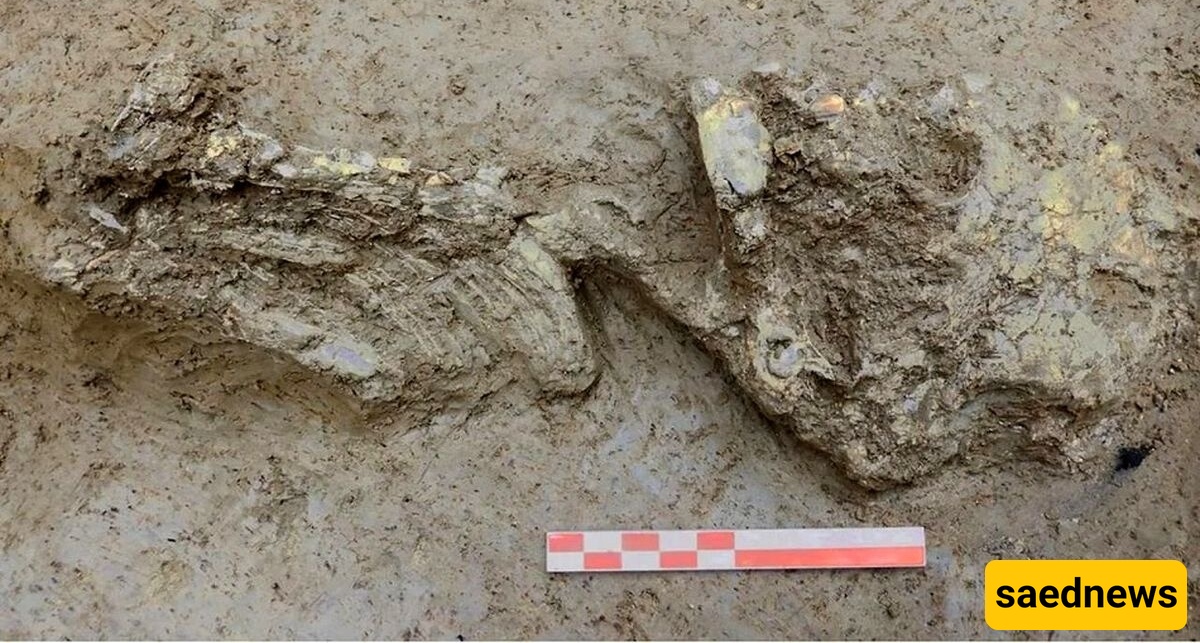
According to Saednews, Despite the fact that only a few tooth crowns and tiny fragments of bone remained from the child’s skeleton, a team of researchers from the University of Bologna was able to uncover important details about the child’s life, ancestry, and health condition using advanced scientific techniques.
The excavation was carried out during routine archaeological investigations before the start of a construction project. Because the bones were extremely damaged, traditional osteological methods provided very limited information. Researchers therefore adopted an interdisciplinary approach, combining techniques such as dental histology, radiocarbon dating, biochemistry, ancient protein analysis, and ancient DNA sequencing.
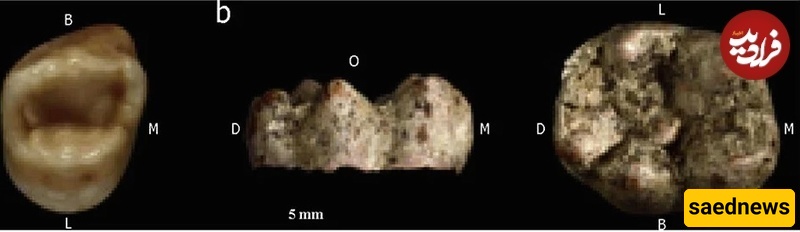
Many characteristics of the child were revealed through DNA recovered from the teeth.
According to Owen Alexander Higgins, a researcher at the University of Bologna and the lead author of the study, the research demonstrates that even severely degraded human remains can still provide valuable information when examined with modern scientific methods.
By microscopically analyzing two teeth — one baby tooth and one developing permanent tooth — scientists estimated that the child died at approximately 17 months of age. Histological analysis found no evidence of malnutrition or developmental stress during early childhood, suggesting that the child experienced relatively healthy conditions during the first stage of life.
Because the remains were incomplete, determining the child’s sex was initially difficult. However, analysis of proteins from the tooth enamel and genetic examination of the bone fragments revealed that the child was male.
Ancient DNA extracted from the remains also revealed a rare mitochondrial lineage known as haplogroup U5b1i1. This genetic group has previously been identified in only one other ancient individual from a cemetery in northwestern Sardinia.
Today, this genetic lineage is extremely rare among European populations. It is found mainly among the Sámi people of northern Europe and populations living along Spain’s Cantabrian coast. Its discovery in Italy suggests that prehistoric European communities were connected through migration or cultural exchange long before modern history.
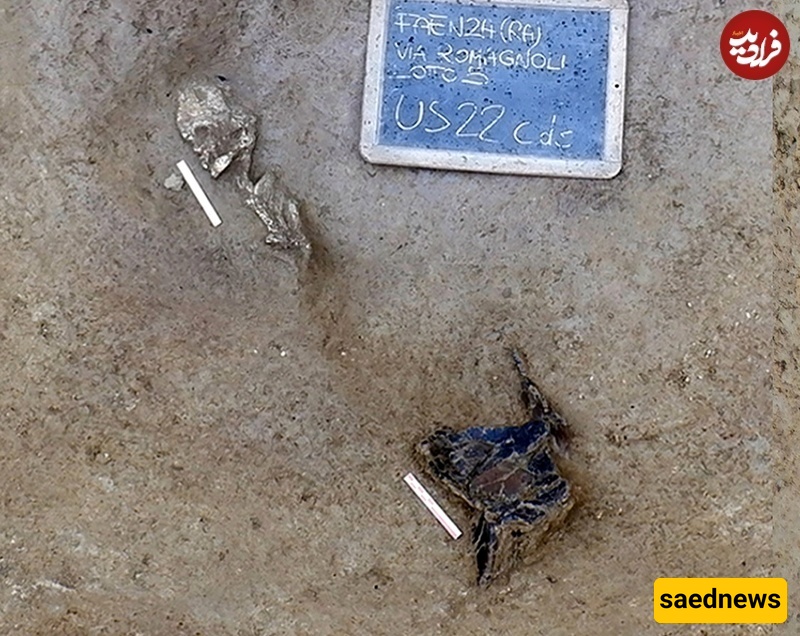
The study, published in the Journal of Archaeological Science, involved collaboration between nine institutions, including the Max Planck Institute for Evolutionary Anthropology and Columbia University’s Lamont-Doherty Earth Observatory.
The findings show that even highly damaged archaeological remains can reveal hidden stories about ancient human lives, movements, and relationships between communities.
The small child from Faenza is no longer just a forgotten burial from the distant past; instead, the discovery represents a powerful example of how modern science can reconstruct lost chapters of ancient human history.