SAEDNEWS: Akram al-Kaabi, secretary-general of Iraq’s al-Nujaba Movement, has issued a sharp warning to Saudi Arabia, arguing that diplomacy will ultimately fail and declaring that any missiles or fire would face a matching response.
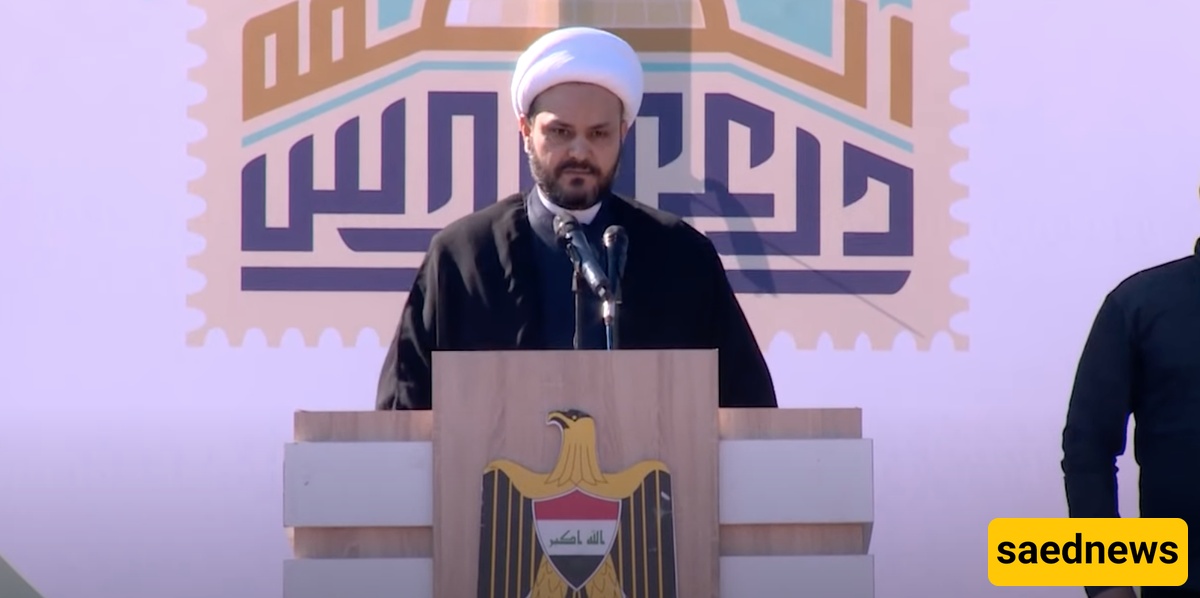
According to SaedNews: A senior Iraqi resistance figure has delivered a sharply worded warning to Saudi Arabia, arguing that diplomacy with the Saudi leadership will ultimately prove ineffective and signaling a direct-response approach to any potential attack.
Akram al-Kaabi, secretary-general of Iraq’s al-Nujaba Movement, made the remarks while discussing what he described as the role of the Saudi system in developments affecting Iraq and its people.
His message was particularly notable for the language he used to describe the possible consequences of escalation. Al-Kaabi said that it would soon become clear to everyone that the diplomatic option toward the Saudi system would produce no results.
He attributed this position to what he characterized as an ideological deviation within the Saudi system and accused it of being behind a number of alleged plots targeting Iraq and the Iraqi people.
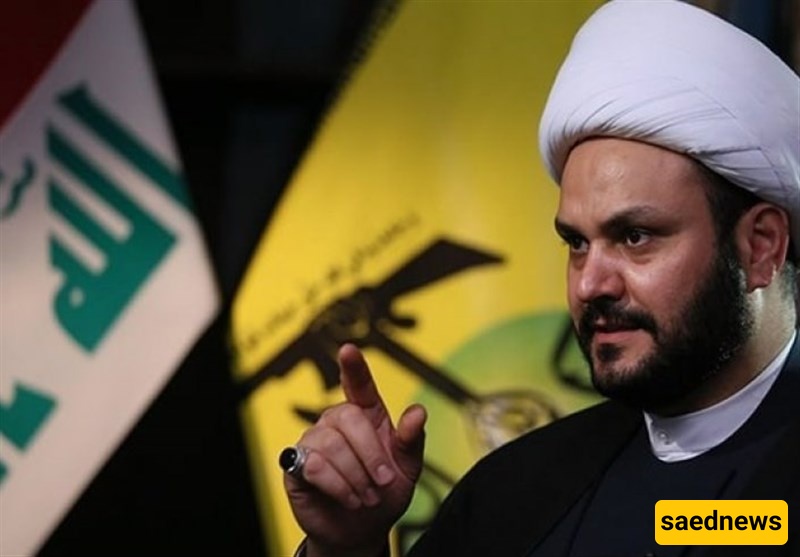
The comments represent a strongly confrontational political message. Rather than presenting diplomacy as a path toward resolving disputes, al-Kaabi portrayed it as an approach that would eventually reach its limits.
His most direct warning came in a brief but forceful statement about retaliation.
“Missiles will be met with missiles, and fire will be met with fire,” he warned.
The wording immediately shifts the focus from political criticism to the possibility of military retaliation. Al-Kaabi did not, in the remarks cited, provide details of a specific attack, identify a particular incident that would trigger such a response or announce an imminent military operation.
That distinction is important. The statements amount to a warning and political position, rather than an announcement of a specific operation.
Still, the message is unusually direct. By framing any potential use of missiles or fire as something that would receive a corresponding response, al-Kaabi presented deterrence and retaliation as central elements of his position.
His remarks also placed Saudi Arabia at the center of his criticism. Al-Kaabi referred to the Saudi leadership as the “Wahhabi regime of Al Saud” and accused the system of being connected to what he described as conspiracies aimed at Iraq and its population.
The comments come from the secretary-general of the al-Nujaba Movement, one of Iraq’s resistance movements, giving the warning a political and security dimension beyond an ordinary diplomatic statement.
At the heart of al-Kaabi’s remarks is a rejection of the idea that diplomatic engagement alone can resolve the dispute he described. He argued that the limitations of this approach would soon become apparent.
The statement therefore combines two distinct messages.
The first is political: according to al-Kaabi, diplomacy toward Saudi Arabia will not deliver the desired outcome.
The second is deterrent: any use of missiles or fire, in his formulation, would be answered in kind.
Neither message was accompanied by specific operational details. The source statement does not identify targets, dates, locations or planned actions. It also does not provide evidence supporting the allegations made against the Saudi leadership.
Those allegations should therefore be understood as al-Kaabi’s stated position rather than independently established facts.
That distinction is especially important when assessing highly charged political and security statements. The remarks contain accusations and warnings, but they do not, by themselves, establish that the alleged plots occurred or that military retaliation is imminent.
Nevertheless, the language is likely to attract attention because of its explicit reference to missiles and fire. Such wording moves beyond general political criticism and invokes the possibility of a direct military response if circumstances escalate.
For regional observers, the most significant element may therefore be the clarity of the warning rather than any announced action. Al-Kaabi is effectively signaling that, in his view, attempts to rely on diplomacy should not be mistaken for an absence of willingness to respond to military escalation.
At the same time, the remarks leave important questions unanswered. The statement does not explain what specific developments al-Kaabi was referring to, what events he considers evidence of Saudi involvement in alleged plots, or what circumstances would lead to the response he described.
Without those details, the warning remains a political statement whose implications will depend on developments beyond the remarks themselves.
The choice of language, however, leaves little ambiguity about the tone. Al-Kaabi presented Saudi Arabia as a source of what he considers serious threats to Iraq and rejected the expectation that diplomacy would resolve the issue.
His final message was the most concise and memorable part of the statement: missiles for missiles and fire for fire.
Whether the warning remains rhetorical or becomes relevant to future developments will depend on what happens next. For now, no specific military action was announced in the statement, but the remarks add another sharply worded message to the wider regional debate over security, confrontation and diplomacy.
For readers following developments in Iraq and the wider region, the key point is that al-Kaabi has publicly placed retaliation at the center of his warning while dismissing diplomacy with Saudi Arabia as ultimately ineffective. The coming developments will determine whether the statement remains a political warning or gains significance through events on the ground.