SAEDNEWS: While various Western media outlets have reported on a proposed system under which ships would pay for safe passage through the Strait of Hormuz, U.S. Vice President JD Vance claimed that Iran is not seeking to impose “transit fees.”
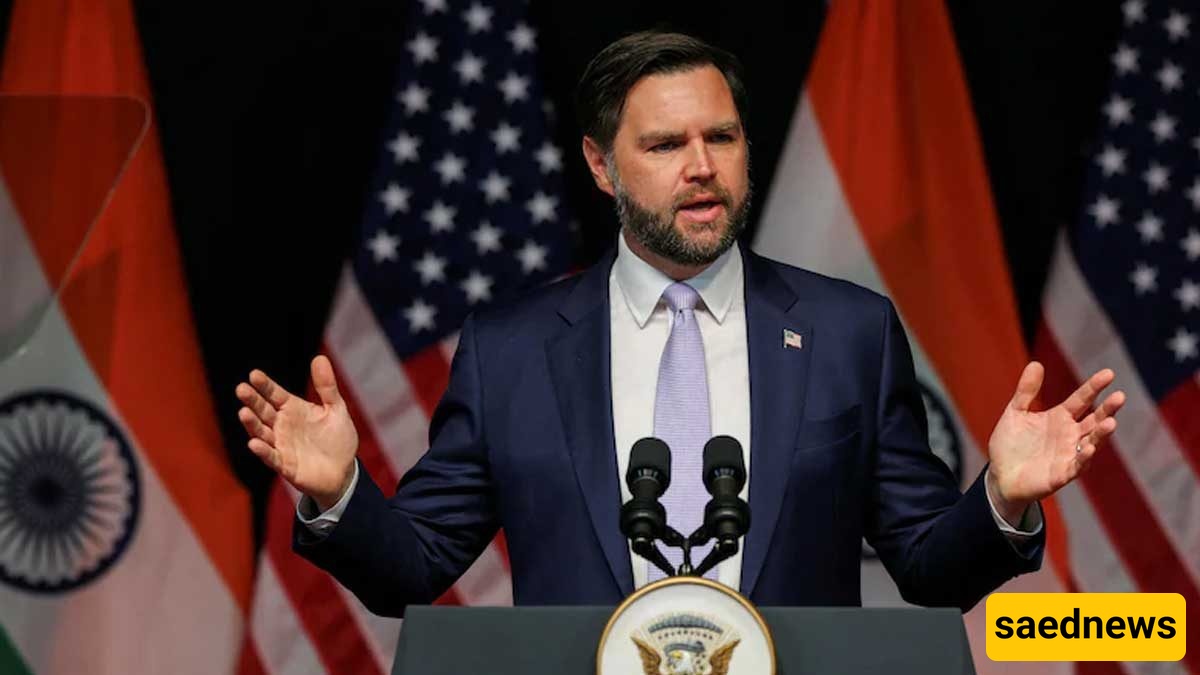
According to the political desk of SaedNews, U.S. Vice President J.D. Vance said in an interview with Fox News on Saturday that negotiations concerning the conflict involving Iran are still underway.
“We are in the middle of the process. It is not over, but we are not in the early stages either,” Vance said. “We are using a range of diplomatic, economic and military tools to achieve the best possible outcome for the American people. I am completely confident that we will get there, but we are still in the middle of the process.”
Vance also addressed the Strait of Hormuz, saying he expected oil and gas shipments through the waterway to eventually return to the same levels seen before the conflict began.
“We expect to see the same volume of oil and gas leaving the Persian Gulf after the conflict ends as before it started,” he said. “The Iranians told us ... that they have no plans to impose fees on vessels using the Strait of Hormuz.”
He added that Iran and Gulf countries, particularly Oman, had held discussions over the past week about ensuring safe passage through the strategic waterway.
“We are looking at how to establish a traffic plan so that ships can safely pass through the strait,” Vance said.
His comments come amid reports by several Western media outlets in recent days that Iran and Oman were considering various charges in exchange for ensuring the safe passage of vessels through the Strait of Hormuz.
Iranian officials have also spoken of progress in talks between Tehran and Muscat over the strait, while stressing that such negotiations should not be interpreted as meaning that the Strait of Hormuz has been reopened.
Meanwhile, several U.S. media outlets have reported that the Trump administration is facing pressure to bring the conflict involving Iran to an end amid concerns over a potential shortage of U.S. missile stockpiles.