SAEDNEWS: Former Iranian Foreign Minister Javad Zarif has renewed his call for comprehensive defense agreements among Islamic countries, arguing that recent regional developments have made collective security cooperation increasingly necessary.
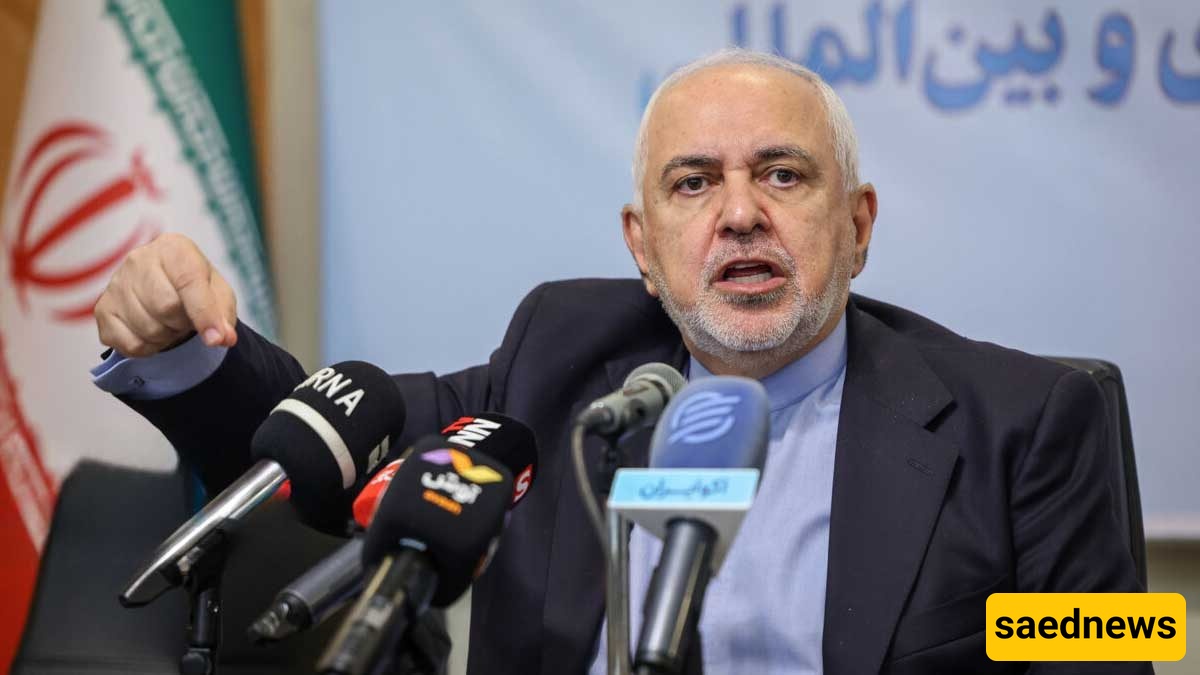
According to SaedNews: Former Iranian Foreign Minister Javad Zarif has renewed his call for comprehensive defense agreements among Islamic countries, saying developments in the region have made the need for broader collective security arrangements increasingly clear.
Zarif made the remarks in a post on X, where he shared an image of an article he had previously published in a media outlet. In his message, he returned to an argument he said he had made a year earlier in an article titled “Greater Israel and Our Strong Region.”
His latest message centers on the idea that Islamic countries need stronger and more comprehensive defense arrangements to respond to what he describes as an increasingly aggressive regional environment.
Zarif specifically pointed to what he characterized as the “racist and expansionist” policy of “Greater Israel,” saying that the approach is now being openly pursued by Israeli leaders. In his view, those developments have made the case for comprehensive defense agreements among Islamic countries more urgent.
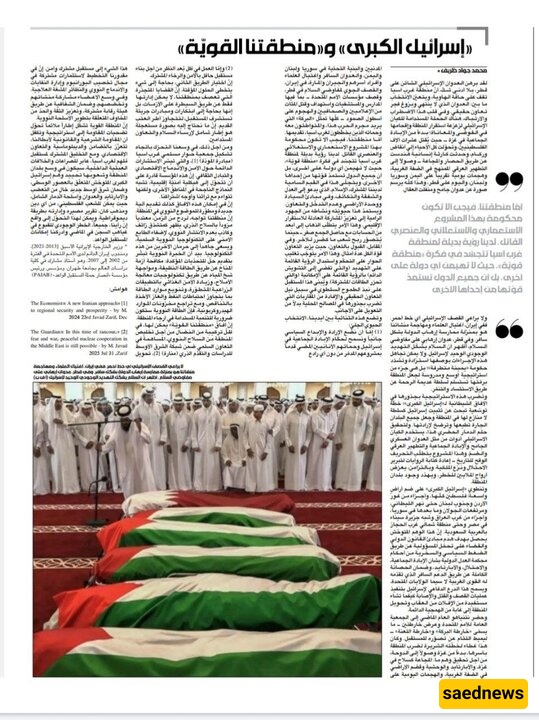
The former foreign minister did not announce a specific proposed treaty, name a group of countries that should participate, or outline a detailed structure for such an alliance in the message. Instead, his intervention focused on the broader strategic principle of collective defense cooperation among Islamic states.
That distinction is important because Zarif's message is fundamentally a call for a wider regional security framework rather than an announcement of a new defense organization.
His argument also builds on a position he says he expressed previously. By referring back to his earlier article, Zarif presented his latest statement as a continuation of an existing assessment of regional security rather than an entirely new proposal.
The timing of the message gives it additional significance. Regional security has remained closely connected to questions surrounding military confrontation, political alliances and the ability of countries to respond collectively to developments affecting their interests.
Against that backdrop, Zarif's call places greater emphasis on cooperation between Islamic countries in the field of defense.
The concept of collective defense can take different forms, ranging from political coordination and information sharing to broader security agreements. However, Zarif's latest message does not specify which mechanisms he believes should be adopted or how such arrangements should operate.
Instead, his central point is that the current regional situation demonstrates the need for countries to consider a more comprehensive approach to their security relationships.
By invoking his previous article, Zarif also connects his latest statement to a longer-running discussion about the balance of power in the region. His argument is that developments involving Israel and the wider regional environment cannot be addressed solely through individual national responses.
The former Iranian foreign minister's statement therefore goes beyond a comment on a single event. It presents collective defense cooperation as a broader strategic response to what he sees as changing regional circumstances.
At the heart of the message is a call for Islamic countries to think about security in more coordinated terms. Rather than relying exclusively on separate national policies, Zarif argues that broader defense arrangements could become increasingly important as regional tensions evolve.
His comments do not provide details about whether such a framework should be bilateral, multilateral or based on an existing regional institution. Nor does the message indicate what specific commitments countries would be expected to make.
What it does make clear is Zarif's assessment that recent developments have strengthened the argument for comprehensive defense agreements among Islamic states.
The former foreign minister's renewed appeal is therefore likely to add another voice to the wider debate over regional security architecture. Whether such a proposal could translate into a concrete agreement would depend on the positions and interests of the countries involved—an issue that his brief statement does not address.
For now, Zarif's message is a political and strategic call rather than the announcement of a finalized pact. But by linking his argument to developments in the region and referring back to a position he expressed a year earlier, he has placed collective defense cooperation once again at the center of his public message.
The broader question is whether Islamic countries will see the changing regional environment as a reason to pursue deeper security coordination—or whether differing national interests will continue to shape their individual approaches. That debate could become increasingly important as governments reassess their security priorities and regional relationships.