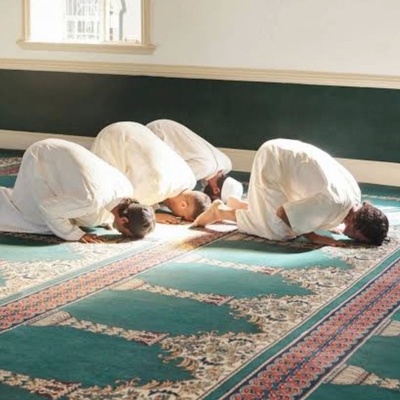
SAEDNEWS: A stable prayer location is essential for maintaining physical stillness and concentration during Salah. Praying in moving or unstable places, such as vehicles or spring beds, is generally invalid unless necessity or lack of time requires it.
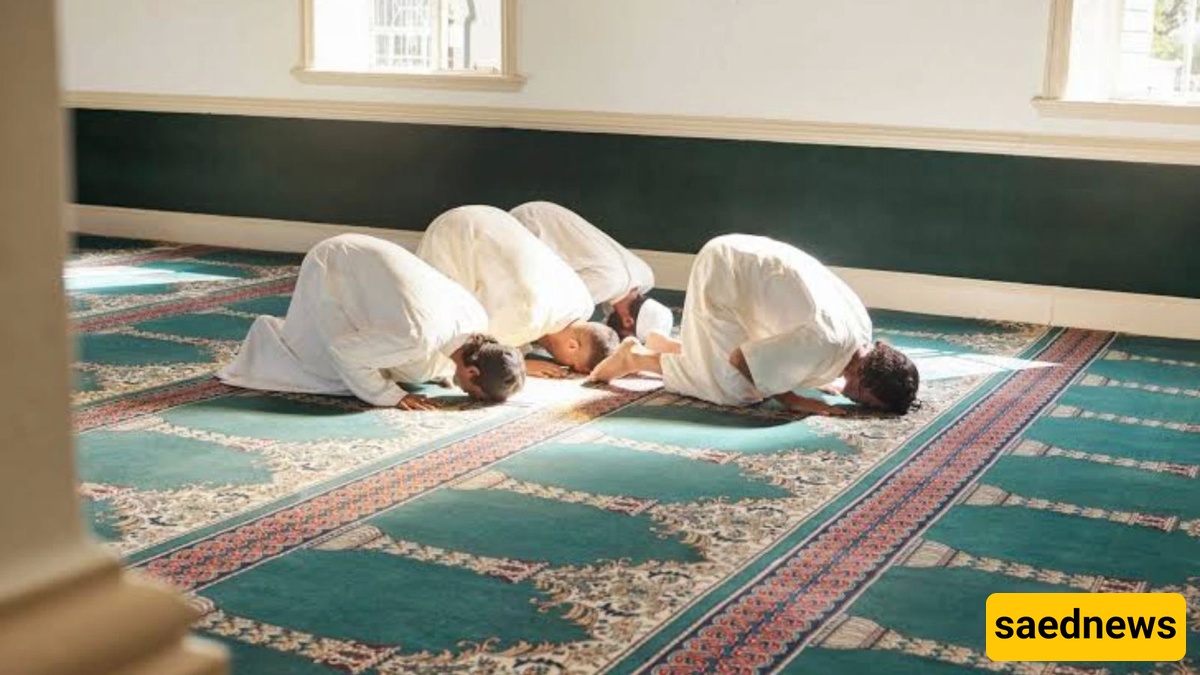
According to Saednews, Prayer (Salah) is one of the most important acts of worship in a Muslim’s life and one of the primary ways of connecting with Allah. A stationary place of prayer means that the location where a person performs Salah must be sufficiently stable and calm. In such a place, the worshipper’s body should not move involuntarily, allowing them to perform the different parts of prayer, such as standing (Qiyam), bowing (Ruku), prostration (Sujud), and sitting for Tashahhud, with tranquility and order. Therefore, having enough space to pray is not sufficient; the stability of the prayer location is also an important condition.
According to the provided text, the place where a person performs prayer must be stationary, meaning that it should allow the worshipper to pray calmly without involuntary body movements. This definition indicates that the main criterion is the worshipper’s ability to maintain bodily stability and perform the prayer correctly. If the location causes the person’s body to move involuntarily, the condition of having a stationary place of prayer is not fulfilled.
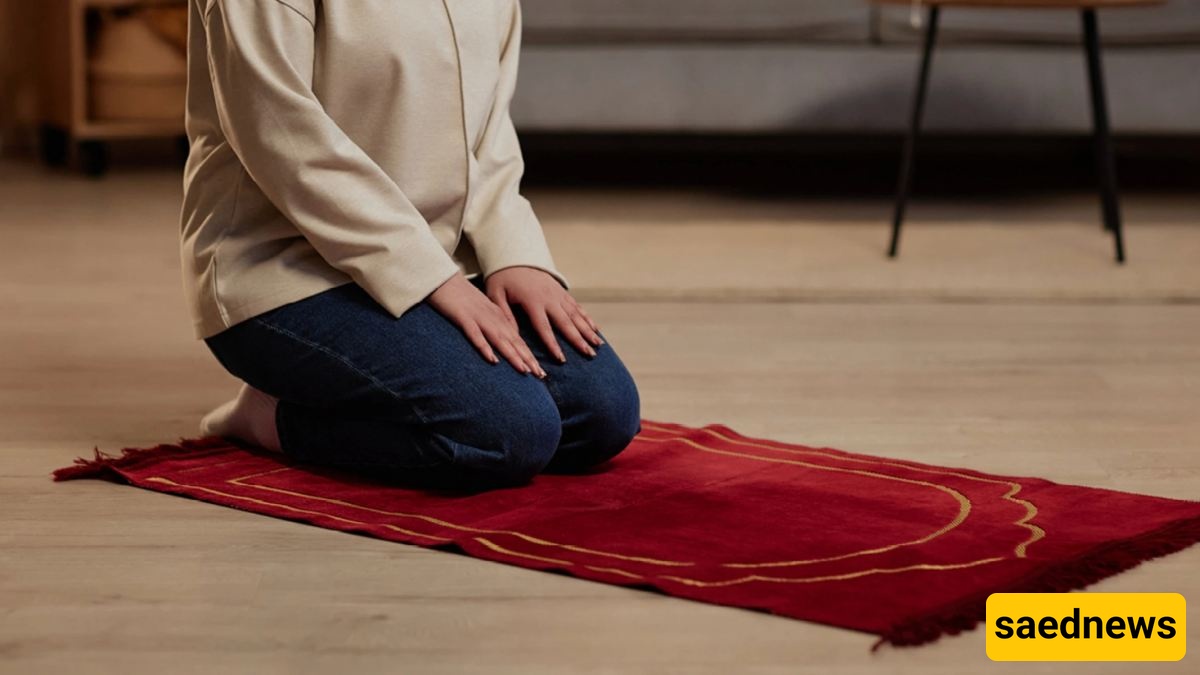
The importance of a stable prayer location can be explained from several perspectives.
First, bodily tranquility during prayer is essential for performing its different movements correctly. If the place is moving and the worshipper’s body shakes involuntarily, performing standing, bowing, and prostration properly may become difficult.
Second, movement can negatively affect concentration and spiritual presence during prayer. Under such circumstances, the worshipper may have to devote part of their attention to maintaining balance, potentially distracting them from remembering Allah.
Third, the stability of the prayer location is closely connected to Tuma'ninah, which means maintaining calmness and stillness of the body during prayer. When the place is unstable, observing this requirement may become difficult.
Fourth, choosing a stable place for prayer demonstrates respect for Salah and recognition of its importance. Selecting a calm and stable location reflects an effort to perform this act of worship properly.
According to the provided text, vehicles and certain spring mattresses are examples of places where a person's body may move involuntarily.
Praying in such places is considered invalid unless the worshipper is compelled to do so because of limited time or other necessary circumstances.
A vehicle, particularly when it is moving, may cause unwanted body movements. Similarly, certain spring mattresses or unstable surfaces may prevent the worshipper from maintaining bodily tranquility during prayer.
However, the main criterion is whether the location is generally considered stable and whether the worshipper can maintain bodily stillness. If a location is moving but does not cause involuntary body movements, and the person can perform all the required parts of prayer calmly, the ruling may be different.
Nevertheless, according to the provided text, vehicles and spring mattresses are considered examples of unstable prayer locations, and praying in them is not valid except in cases of necessity. Therefore, choosing a stable place is the recommended precaution.
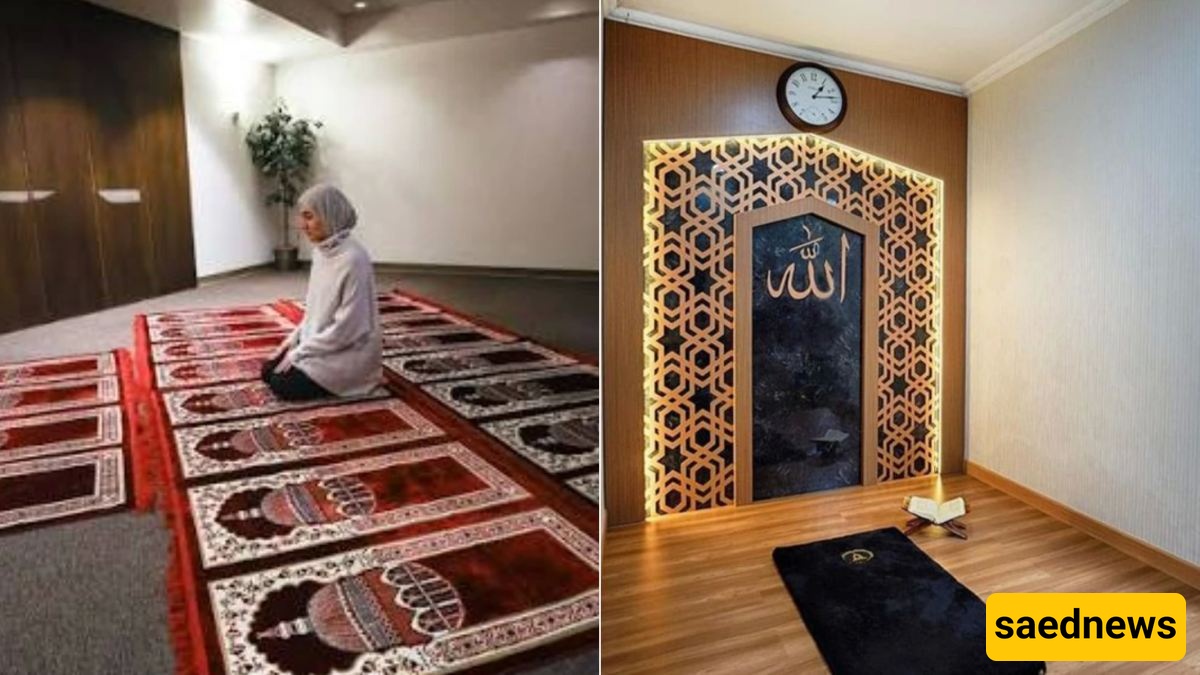
The provided text states that praying in a moving location is invalid unless the worshipper is compelled to do so because of limited time or other necessary circumstances.
This exception demonstrates the flexibility of Islamic rulings and their consideration of people's circumstances. If someone has no choice but to pray in a vehicle or another moving location, their religious obligation is according to their ability, and they should not abandon prayer altogether.
In such situations, the worshipper should observe the requirements of prayer as much as possible. For example, if feasible, they should stop the vehicle or find a more stable place to pray.
If necessity requires praying in a moving location, the worshipper should try to keep their body as still as possible and perform the different parts of prayer correctly.