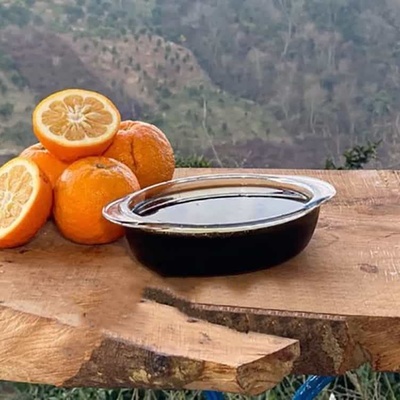
SAEDNEWS: Bitter orange paste is a popular homemade product, but bitterness is one of the most common challenges during its preparation. In this article, we explore the main reasons why bitter orange paste develops an unpleasant taste and share practical tips to prevent it.
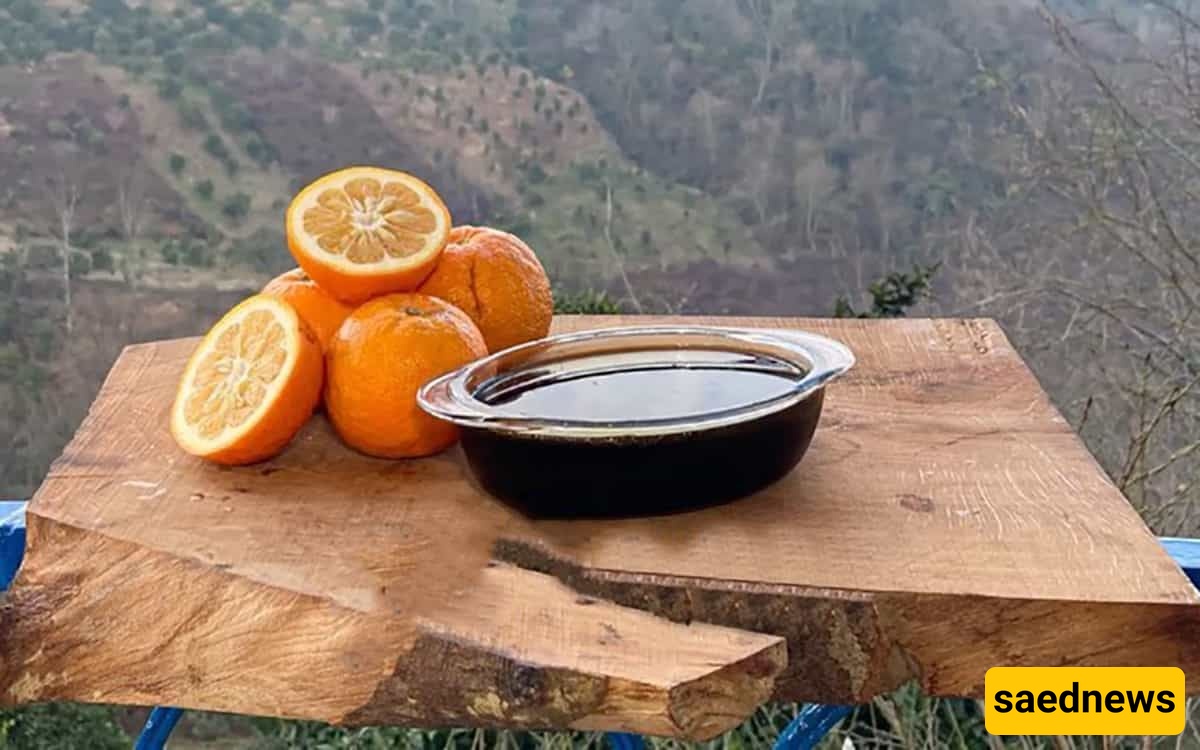
According to Saednews, In many regions, bitter orange paste is prepared as a thick, jam-like, or concentrated product made from bitter oranges. Some recipes use bitter orange juice and peel, while others produce a marmalade-like paste containing finely chopped or shredded orange peel. In both cases, compounds found in the peel, white pith, seeds, and internal membranes of the fruit can influence the final flavor.
A mild bitterness is generally desirable in bitter orange paste because it creates a balanced flavor and prevents excessive sweetness. However, excessive bitterness can make the product unpleasant and reduce its overall quality. It is therefore important to distinguish between natural, mild bitterness and unwanted, intense bitterness.
Bitter orange peel naturally contains compounds that contribute to its bitter taste. The most important include naringin, neohesperidin, and certain citrus essential oils. These compounds are found in the peel, particularly in the white layer beneath the outer skin.
When too much peel is used or it is not properly prepared, these compounds can transfer into the paste and increase its bitterness.
Therefore, one of the main reasons bitter orange paste becomes excessively bitter is the use of too much peel or the transfer of naturally occurring bitter compounds into the final product.
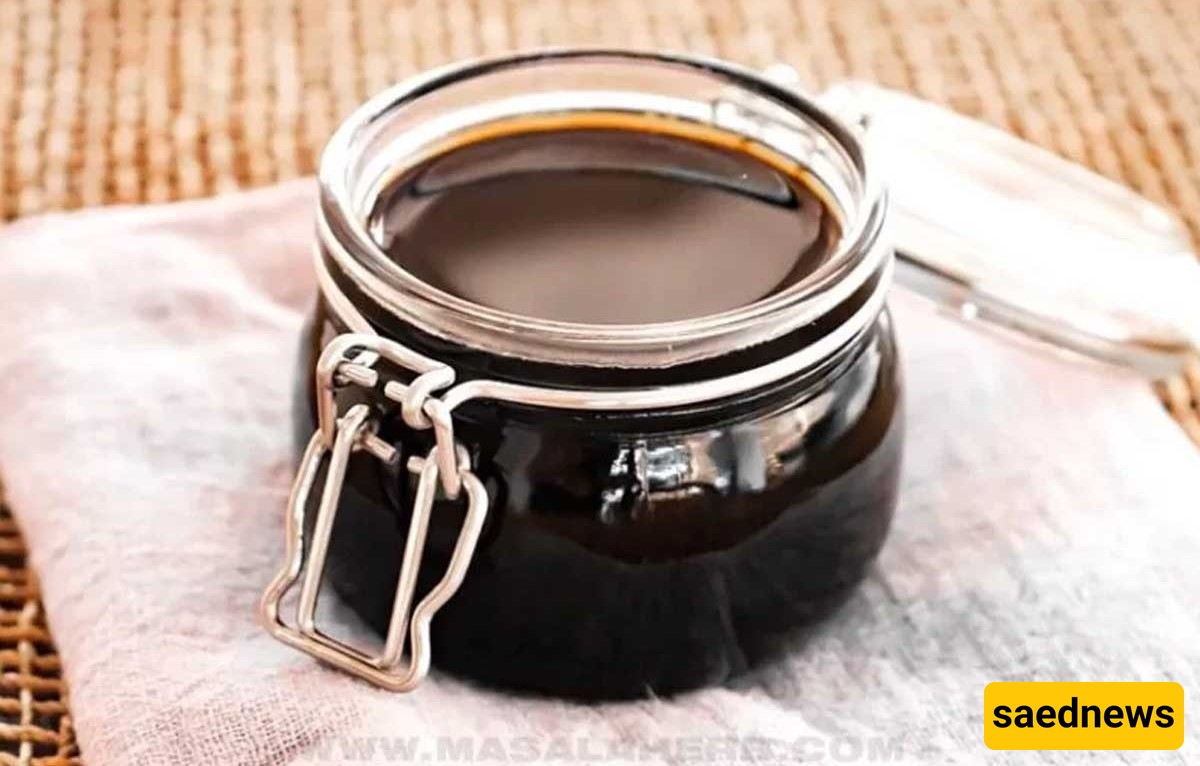
The white, spongy layer beneath the bitter orange skin, known as the albedo, is one of the major sources of bitterness.
When preparing bitter orange paste, many people use the peel with a considerable amount of this white layer still attached.
Removing as much of the white pith as possible is one of the most important steps in reducing bitterness. Peeling the fruit thinly and separating the white layer can significantly improve the final flavor.
Unripe bitter oranges and fruit that has been stored for too long may contain higher levels of undesirable bitter compounds. Damaged, frozen, or poor-quality fruit can also contribute unpleasant flavors and excessive bitterness.
Choosing fresh, healthy, fully mature bitter oranges is essential for producing high-quality paste.
Bitter oranges are naturally more bitter than sweet oranges, but their normal bitterness should not be confused with unpleasant flavors caused by immaturity or spoilage.
Bitter orange seeds and the white membranes separating the fruit segments can also contribute to bitterness.
If these parts are not carefully removed during preparation, bitter compounds may transfer into the final product.
For this reason, seeds and internal membranes should be removed thoroughly before processing.
One of the most common mistakes when making bitter orange paste is failing to prepare the peel properly.
Simply washing and chopping the peel before adding it to the mixture, without blanching or soaking it, allows its bitter compounds to remain and spread throughout the paste.
Blanching the peel several times and replacing the water between boiling stages can help remove some of these bitter compounds.
Soaking the peel in cold water or diluted salt water may also help reduce bitterness. However, these methods should not replace proper removal of the white pith and adequate blanching.
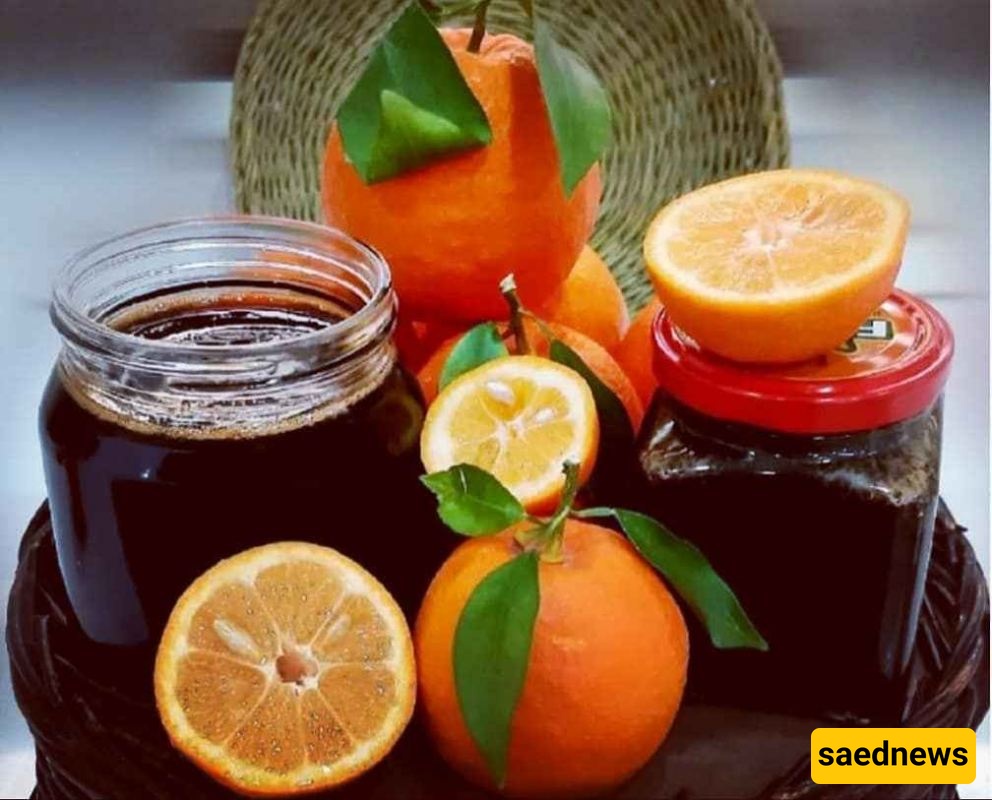
Prolonged cooking or excessively high temperatures can increase the extraction of bitter compounds from the peel. The longer the peel is boiled, the more bitter substances may be released into the cooking liquid.
Additionally, high temperatures can cause sugar to burn or caramelize excessively, producing a bitter or burnt flavor.
The best approach is to cook the mixture slowly at a controlled temperature. Skim off any foam that forms on the surface and stir regularly to prevent the mixture from sticking to the bottom of the pot.
The flavor of bitter orange paste depends on the balance between sweetness, acidity, and bitterness.
If there is not enough sugar, the natural bitterness of the bitter orange becomes more noticeable. On the other hand, excessive acidity or adding too much lemon juice can make the flavor overly sharp and unpleasant, further emphasizing the bitterness.
A small amount of salt can help balance the overall flavor, but it should not be added in quantities that make the product taste salty.
Maintaining the right balance between sugar, acidity, and bitterness is essential for producing a pleasant-tasting bitter orange paste.
Burning the sugar or allowing the paste to stick to the bottom of the pot is another major cause of unwanted bitterness.
When the mixture turns dark brown during cooking or develops a burnt smell, an unpleasant bitter taste may also develop.
This type of bitterness is different from the natural bitterness of bitter oranges and is generally much less desirable.
To prevent this problem:
Use a heavy-bottomed cooking pot.
Keep the heat low and controlled.
Stir the mixture regularly.
Avoid allowing the paste to stick to the bottom of the pot.
Monitor its color and aroma throughout the cooking process.
Excessive bitterness in bitter orange paste can result from several factors, including naturally occurring bitter compounds in the peel, excessive white pith, seeds and internal membranes, poor-quality fruit, improper blanching, prolonged cooking, and an imbalance of ingredients.
The most effective way to control bitterness is to use fresh, mature bitter oranges, remove as much white pith and as many seeds as possible, blanch the peel properly, and maintain a controlled cooking temperature.
The goal is not to eliminate bitterness completely, but to preserve the characteristic mild bitterness of bitter oranges while preventing harsh, unpleasant flavors.