SAEDNEWS: Praying for others is a practice that helps us move beyond self-centeredness and develop empathy and social responsibility. This article explores why we should pray for others first and examines its religious, ethical, psychological, and social benefits.
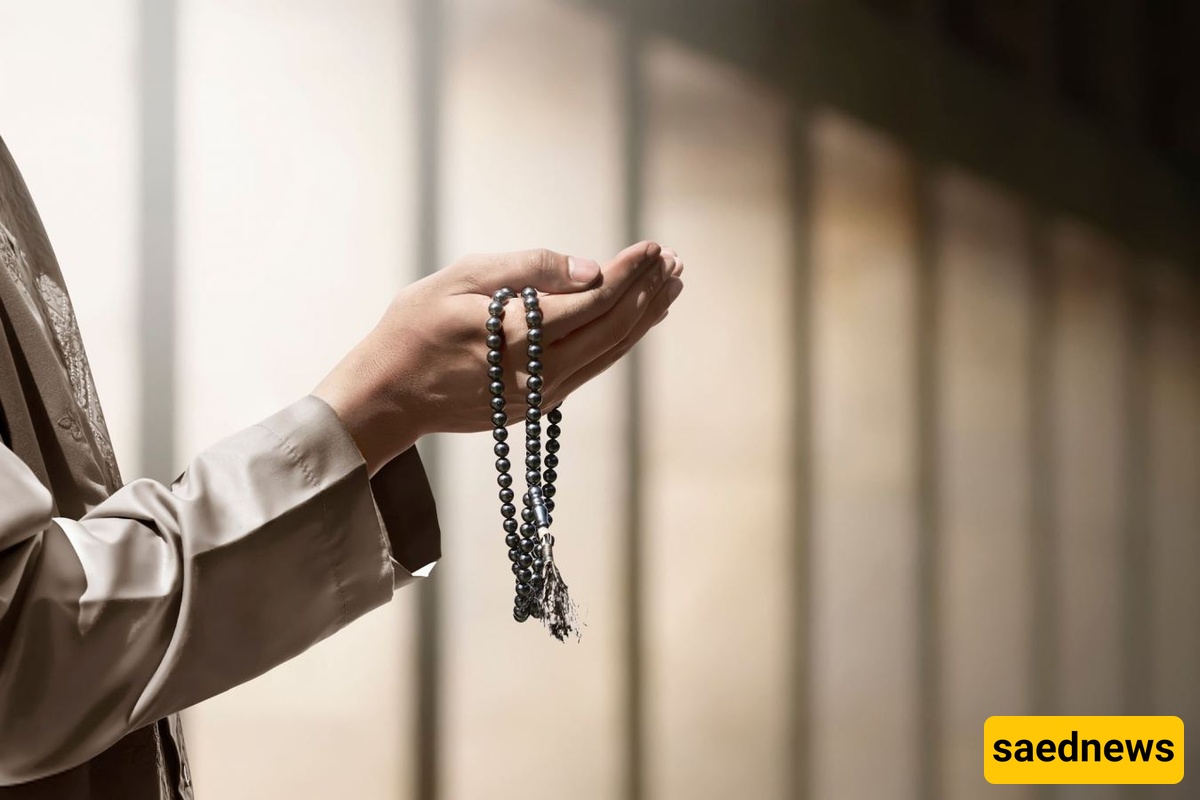
According to Saednews, Prayer is one of the deepest ways human beings connect with God and express their innermost needs. Usually, when we think about prayer, the first thing that comes to mind is asking for something for ourselves: good health, success, peace of mind, relief from difficulties, or a better future. This is a natural and human response. However, religious and ethical teachings offer an important recommendation that broadens our understanding of prayer: Pray for others first.
This recommendation does not mean forgetting ourselves or ignoring our personal needs. Rather, it is an exercise in moving beyond the narrow boundaries of self-centeredness toward a wider perspective of empathy, selflessness, and social responsibility.
The central question of this article is: Why should we pray for others first? The answer can be explored from several perspectives: religious, ethical, psychological, and social. As we will see, praying for others is more than a virtuous act; it is a way to nurture the soul, strengthen compassion, and help build a more humane society.
When we say that we should pray for others first, we do not necessarily mean that we must always put aside every personal request. Instead, it means making room for others in our intentions and priorities. Before going through our own list of wishes, we take a moment to think about those who may need our prayers: the sick, the grieving, those facing hardship, our family members, friends, neighbors, and even people with whom we disagree.
The word "first" represents a spiritual and ethical priority rather than a rigid rule about timing. Someone who prays for others first is preparing their heart to become more compassionate. When offered sincerely, such prayers are free from pretense and the desire to impress others. Instead of seeking recognition, they help cultivate inner goodness. In religious traditions, praying for the well-being of others holds a special place and reflects generosity of spirit and trust in God's mercy.
Many people assume that praying for others means giving up their own wishes. However, experience suggests that praying for others is actually a way to expand the circle of compassion. Just as we value our own lives and needs, we can learn to value those of others. This perspective transforms prayer from a limited relationship between "me and God" into a broader connection involving "me, God, and others."

In Islamic teachings, praying for others is considered highly valuable. According to Islamic traditions and teachings, a believer's prayers for fellow believers are especially meaningful and are regarded as signs of faith and compassion.
The Quran also contains numerous examples of prophets and believers praying for others. These include Prophet Abraham's prayers for his descendants and future believers, Prophet Moses' prayer for his brother Aaron, and the prayers of various prophets for their people. These examples demonstrate that prayer in religious tradition has always been closely connected to social responsibility and concern for others.
Islamic narrations also emphasize that praying privately for someone else is a sign of sincerity because it leaves less room for seeking recognition or expecting gratitude. These teachings encourage people to move beyond self-centeredness and become more aware of the needs of others.
From an ethical perspective, praying for others is an expression of altruism. Many ethical systems teach that we should treat others as we would like to be treated ourselves. Prayer reflects this same principle: just as we need the good wishes and prayers of others during difficult times, we should also remember them in our own prayers.
This practice weakens the boundaries of selfishness and strengthens our sense of responsibility. Praying for others also holds an important place in Christianity, while Jewish traditions include prayers for the health and well-being of others as part of daily worship. This shared value across different religions demonstrates that praying for others is a universal human virtue rooted in our natural capacity for compassion.
Praying for others does not only affect those we pray for; it can also influence our own emotional well-being.
When we pray for someone, our minds temporarily shift away from an excessive focus on our personal problems. This change in perspective can help reduce anxiety and broaden the way we view life.
Of course, prayer should never replace medical treatment, professional counseling, or practical action. However, it can serve as a spiritual and emotional practice that supports inner peace and emotional regulation.
One of the most important benefits of praying for others is the development of empathy. Empathy means being able to see the world through another person's eyes. When we pray for someone, we naturally begin thinking about their circumstances and taking their struggles more seriously.
This practice can strengthen family relationships and friendships while reducing impulsive judgments. Praying for others can also increase gratitude. When we ask God to grant someone else health, peace, or success, we may become more aware of the blessings already present in our own lives.
Gratitude creates the foundation for hope and realistic optimism.
In addition, praying for others gives us an opportunity to practice forgiveness, especially when we pray for people who have hurt or disappointed us. Rather than allowing resentment and revenge to take root, we create space for reconciliation and inner peace.
Many people have experienced a sense of calm after praying for someone else. This feeling can be understood through the shift that prayer creates in our hearts: moving our attention away from "me" and toward "us."

One hidden limitation of prayer is making it exclusively about ourselves. This happens when we turn to God only when we face personal difficulties and seek Him solely as a means of fulfilling our own needs.
Praying for others breaks this pattern and transforms our relationship with God from one based purely on requests into one rooted in compassion and responsibility.
From this perspective, prayer is not simply a way to obtain what we want. It is an act of worship that can make us kinder, humbler, and more considerate.
Praying for others teaches humility because it reminds us that we are not the center of the universe. Other people also need kindness, mercy, and divine blessings. This awareness reduces pride and helps us avoid feelings of superiority.
It can also deepen our affection for others, even when they never know that we have prayed for them. This quiet, selfless form of love creates a meaningful spiritual connection that is deeply valuable in human relationships.
In a sense, praying for others is a form of "active meditation": a practice in which both the mind and heart become engaged in compassion and awareness beyond the self.
Such a practice may help reduce feelings of loneliness and isolation by reminding us that we are part of a wider network of love, connection, and responsibility.
For this reason, praying for the well-being of others benefits not only those receiving our prayers but also the spiritual and emotional well-being of the person praying.
We may wonder why we should place others before ourselves in prayer.
The answer is that putting others first is an exercise in self-discipline and spiritual growth. Human beings naturally focus on their own needs and desires. If we always begin our prayers with a personal list of requests, prayer may gradually become another way of reinforcing self-centeredness.
However, when we pray for others first, we purify our intentions and remind ourselves to make kindness a priority.
Putting others first also means preparing our hearts for forgiveness. When we pray for someone who has hurt us or with whom we have disagreements, we begin to soften our hearts.
This can help us break free from resentment and revenge. In many cases, praying for someone becomes the first step toward reconciliation, meaningful conversation, and repairing damaged relationships.
Cross-cultural experiences also suggest that communities with stronger traditions of praying for others may develop greater social solidarity and trust among their members.
Furthermore, praying for others first helps us move away from expecting immediate answers to our personal requests. When we begin prayer with concern for others, we become less focused on treating our relationship with God as a transaction and more focused on building a sincere spiritual connection.
This transforms prayer from a simple "wish list" into a deeper act of worship.

To make praying for others a meaningful and healthy habit, we can begin with a few simple steps:
1. Begin with sincere intentions
Before praying, remind yourself that praying for others is an exercise in compassion, not a way to demonstrate your goodness to others. Sincerity is the foundation of meaningful prayer.
2. Think of specific people
Instead of offering only general prayers, remember particular individuals. You might pray for your parents' health, a grieving friend's peace of mind, or a neighbor facing difficulties. Specific prayers can encourage greater focus and sincerity.
3. Keep your prayers simple and heartfelt
Your prayers do not need to be long or complicated. A simple sentence such as "God, please grant them peace" can carry deep meaning.
4. Pray privately
Whenever possible, pray for others without telling them. This helps preserve sincerity and keeps the focus away from seeking recognition.
5. Remember those who are difficult to forgive
Sometimes the hardest part is praying for people who have treated us badly. Yet this may be one of the most powerful exercises for personal and spiritual growth.
6. Practice gratitude after praying
After praying for others, take a moment to thank God for the blessings in your own life. This helps maintain a healthy balance between caring for others and appreciating your own circumstances.
7. Pray for yourself afterward
Once you have prayed for others, share your own needs and concerns with God as well. This reminds us that caring for others does not require neglecting ourselves.
One important point is that praying for others should never lead us to neglect our personal responsibilities or ignore our legitimate needs.
Some people may become so focused on praying for others that they overlook their own physical and emotional well-being. This is an extreme approach. Religious and ethical teachings generally emphasize balance: we should pray for both ourselves and others.
Furthermore, prayer should not become a means of controlling or interfering in someone else's life. Praying means wishing them well, not imposing our personal expectations upon them.
When we pray for someone, we should genuinely seek what is best for that person rather than simply asking for what we believe would be best. This distinction helps prevent hidden forms of self-centeredness.
Another important point is that prayer should be accompanied by practical action.
If we pray for someone who is ill, we should help them in whatever way we can.
If we pray for someone in need, we should offer them support.
If we pray for someone experiencing hardship, we should try to ease their burden.
Prayer and action are like two wings of the same bird. Prayer without action can become a source of imaginary satisfaction, while action without prayer may lack the spiritual purpose and motivation that faith provides.
Praying for others first is not about denying our own needs. It is about expanding our hearts, strengthening our compassion, and developing a deeper connection with God.
When we remember others in our prayers, we cultivate empathy, gratitude, forgiveness, humility, and a stronger sense of social responsibility. We also remind ourselves that life is not simply about our individual struggles and desires; it is about the connections we share with one another.
Ultimately, praying for others first is a small but meaningful practice that can transform both our inner world and our relationships with those around us. It teaches us to love without expecting anything in return, to wish others well even in difficult circumstances, and to recognize that genuine peace often begins when we look beyond ourselves.
A heart that remembers others in prayer becomes a heart that makes more room for kindness, understanding, and love.