SAEDNEWS: Discover the secrets to making perfect burgers by choosing the right meat. Learn about the ideal fat-to-meat ratio, fresh versus pre-packaged beef, alternatives to beef, and essential preparation and cooking tips for juicy, flavorful burgers.
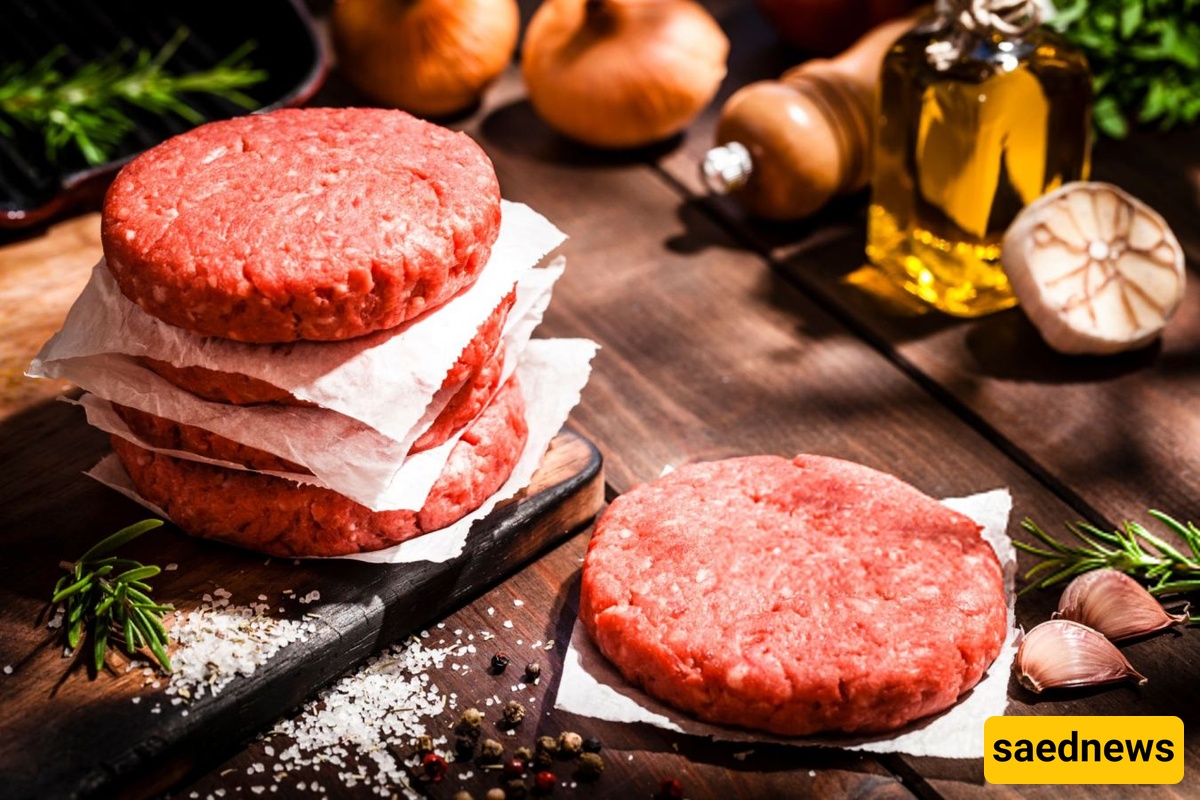
According to Saednews, Hamburgers are among the world's most popular foods, and their quality largely depends on the meat used to make them. Many people assume that a delicious burger is all about the seasonings, sauces, or cooking method. However, choosing the right meat is the first and most important step in making a restaurant-quality burger. The ideal burger meat should be fresh, have the right fat content, and offer a desirable texture to ensure a juicy, tender, and flavorful result.
Fat is one of the key factors that make a burger delicious. During cooking, the fat melts and helps retain moisture in the meat. If the ground beef does not contain enough fat, the burger can become dry, tough, and crumbly after cooking. For this reason, completely lean meat should be avoided when making burgers.
However, the fat content should be balanced. Too much fat can make the burger excessively greasy, cause it to shrink during cooking, and negatively affect its texture. Maintaining the right fat-to-meat ratio is therefore one of the most important principles of making quality burger patties. This balance determines the burger's final flavor and texture.
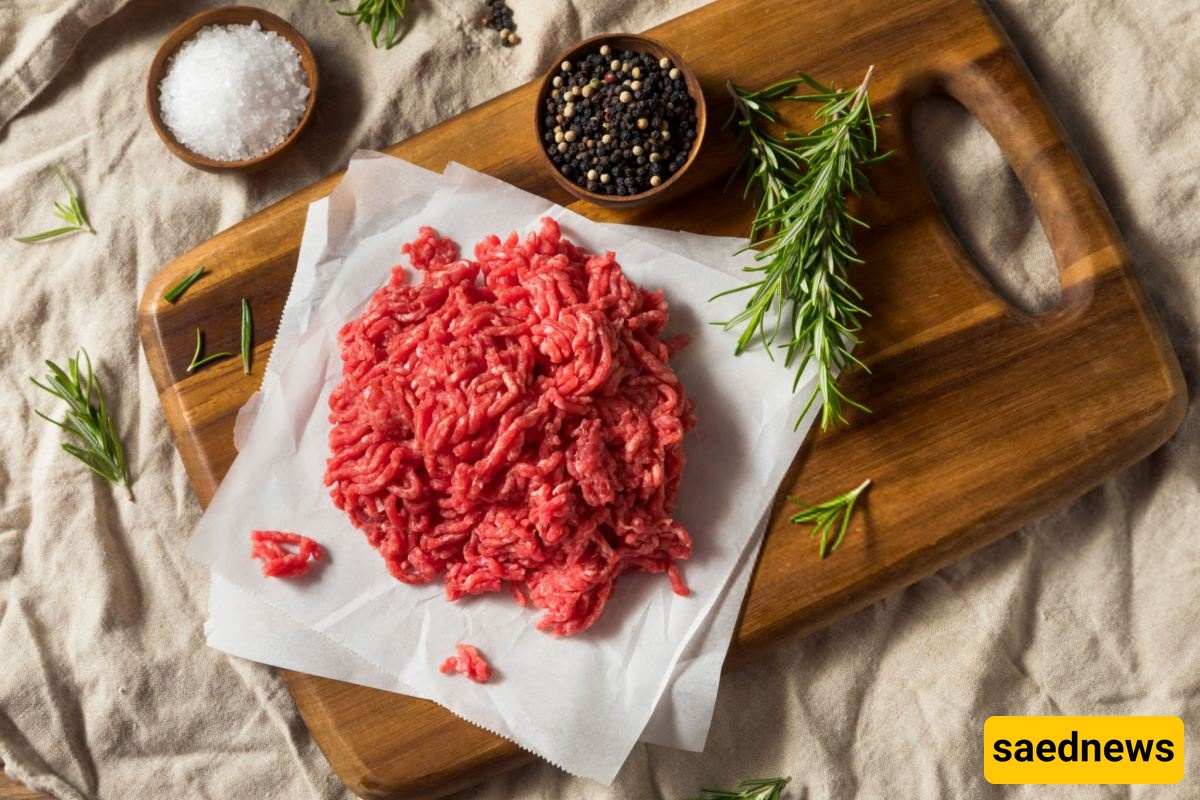
For a delicious burger, ground beef containing approximately 20% fat is considered an excellent choice. In general, a fat content of 15–20% is recommended for making burgers. If the fat content is lower, the patty may become dry and crumbly. On the other hand, too much fat can make the burger greasy and cause it to lose its shape during cooking.
When buying ground beef, ask the butcher about its fat content or check the product label. Choosing meat with the right fat ratio allows you to prepare juicy, flavorful burgers without adding extra oil or excessive fillers. This is particularly important for anyone aiming for professional-quality results.
Beef is the most popular and widely recognized choice for making hamburgers. Ground beef with the right fat content gives burgers a rich flavor and tender texture. However, the type and quality of beef also matter. Fresh, hygienically handled beef that is suitable for grinding produces better results than low-quality or overly compressed meat.
When buying beef for burgers, pay attention to its color, smell, and texture. Fresh meat generally has a natural smell and a consistent color. It is also best to purchase meat from a reputable butcher or hygienic store. Using high-quality beef, combined with the proper fat ratio, can significantly improve the overall quality of your burgers.
If you enjoy lamb or prefer not to use beef for various reasons, you can substitute ground lamb while maintaining a similar fat ratio. This provides an opportunity to experiment with different burger flavors and textures. However, the fat content of ground lamb should also ideally remain between 15% and 20% to prevent the patties from becoming dry.
Lamb generally has a distinctive flavor and may be richer in fat than beef. Therefore, when using lamb, you may need to adjust the seasonings or additional ingredients. The most important factors remain meat quality, freshness, and the correct fat ratio. When these elements are properly balanced, lamb burgers can be just as juicy and delicious.
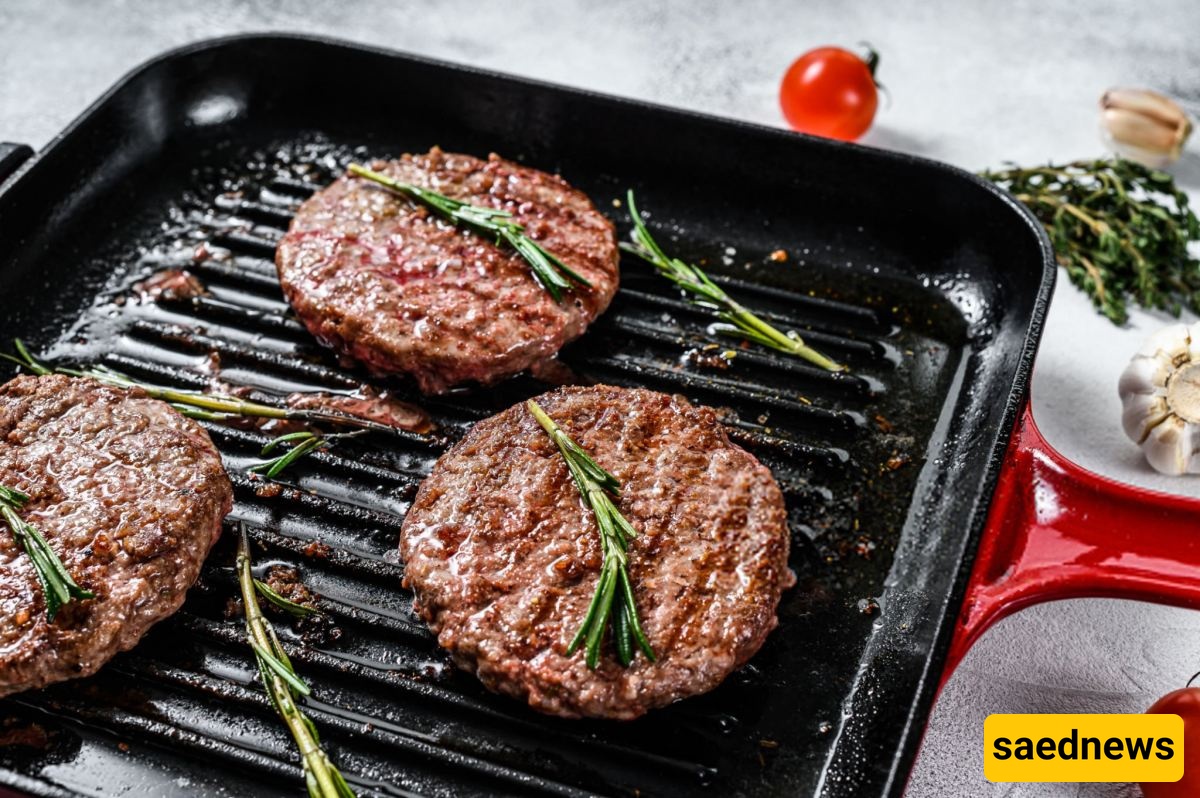
For high-quality burgers, freshly ground meat is an excellent option. Freshly ground meat is often less compacted than prepackaged ground meat and generally has a more natural texture. Some packaged ground meat may become tightly compressed during processing and packaging, potentially resulting in firmer, less juicy burgers after cooking.
However, this does not mean that all packaged ground meat is unsuitable. If you have the option, freshly ground meat is worth considering. You can purchase and prepare it on the same day or store it in the refrigerator for a short period. If longer storage is necessary, proper freezing techniques are also important for maintaining meat quality.
When shopping for burger meat, keep a few important points in mind.
Choose a reputable supplier: Buy meat from a trusted butcher or hygienic meat store.
Check the fat content: Look for ground meat containing approximately 15–20% fat.
Check for freshness: Fresh meat should have a natural smell and normal color, without any unpleasant odors.
Avoid overly compressed meat: Do not choose ground meat that appears excessively compacted or mashed.
Ask for fresh grinding: Whenever possible, have the meat ground in front of you so you can be more confident about its quality and composition.
Following these simple tips can make a significant difference in the final quality of your burgers. Choosing the right meat is the foundation of a juicy, tender, and flavorful homemade hamburger.