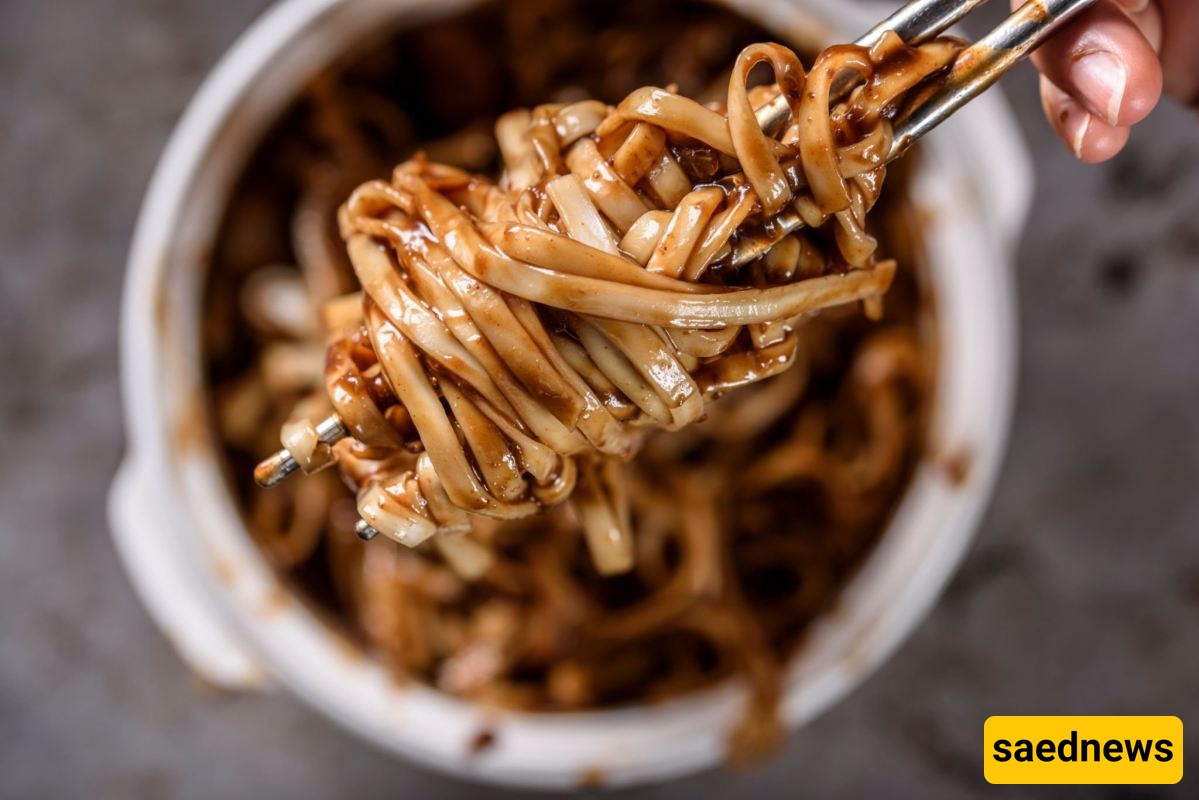
SAEDNEWS: Jajangmyeon is one of Korea’s most popular dishes, featuring thick noodles topped with a rich black bean sauce, meat, and vegetables, with origins in Chinese cuisine.
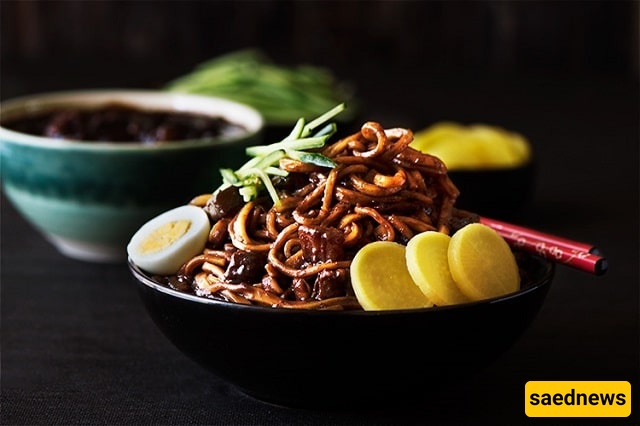
According to Saednews, Jajangmyeon is one of Korea’s most popular and recognizable dishes, with Chinese origins. Over the years, it has become a favorite among lovers of Asian cuisine. This delicious dish combines thick, chewy noodles with a rich, aromatic black bean sauce and stir-fried vegetables and meat. Although many people assume that authentic-tasting jajangmyeon can only be enjoyed at Korean restaurants, you can easily prepare it at home with a few simple tips and achieve restaurant-quality results.
The following ingredients make approximately four servings. The quantities are approximate and can be adjusted according to your taste and the number of people you are serving.
400 g jajangmyeon noodles, udon noodles, or thick spaghetti
300 g beef, chicken, or ground meat (for a vegetarian version, use mushrooms, tofu, or soy protein)
4 tablespoons chunjang (Korean fermented black bean paste)
2 tablespoons vegetable oil for frying the black bean paste
2 tablespoons cooking oil for stir-frying the ingredients
2 large onions, thinly sliced
1 medium zucchini, diced
1 medium potato, diced
200 g white cabbage, shredded
1 carrot, diced or julienned
3–4 garlic cloves, minced
1 teaspoon fresh ginger, grated
2 spring onions, chopped
1 tablespoon sugar
2 tablespoons soy sauce
1 tablespoon oyster sauce (optional)
2 cups water or beef broth
Salt and black pepper to taste
2 tablespoons potato starch mixed with 4 tablespoons cold water
1 teaspoon sesame oil
Before you begin cooking, prepare all your ingredients. Wash the vegetables and cut them into evenly sized pieces. Uniformly cut vegetables cook more evenly and give the finished dish a better texture. Cut the meat into small cubes or thin strips. If you are using ground meat, there is no need to cut it.
Bring a large pot of water to a boil over high heat and add a little salt. Cook the noodles according to the package instructions. Thick noodles generally take about 5–7 minutes to cook.
Be careful not to overcook them, as they should remain firm and chewy.
Once cooked, drain the noodles and rinse them under cold water to stop the cooking process. Add a little sesame oil or vegetable oil and gently toss to prevent them from sticking together. Set aside.
This step is essential because it determines much of the final flavor of the dish.
Place a nonstick frying pan or pot over medium heat and add two tablespoons of cooking oil. Add the chunjang paste and stir-fry for approximately 2–3 minutes.
The paste should become fragrant and slightly glossy, but be careful not to burn it.
If the chunjang is particularly thick, you can loosen it with a little extra oil. Once fried, remove the paste from the pan and set it aside in a separate bowl.
Frying the paste helps reduce its initial bitterness and enhances its aroma.
Place the same pan over medium-high heat and add a little cooking oil.
Add the meat and stir-fry until it changes color and becomes slightly browned. Next, add the garlic and ginger and cook for approximately 30 seconds until fragrant.
Add the sliced onions and continue stir-frying until they become soft and slightly caramelized. This helps bring out their natural sweetness and adds depth to the sauce.
Next, add the carrots and potatoes and stir-fry for a few minutes. Add the zucchini and cabbage, then mix everything thoroughly.
Avoid cooking the vegetables until completely soft at this stage, as they will continue cooking with the sauce.
Return the fried chunjang paste to the pan and mix it with the meat and vegetables.
Add the soy sauce, oyster sauce (if using), sugar, salt, and black pepper. Stir everything together until well combined.
Pour in the water or beef broth and reduce the heat slightly.
Allow the mixture to simmer for approximately 10–15 minutes, or until the vegetables are fully cooked and the flavors have blended together.
Taste the sauce and adjust the seasoning if necessary. Keep in mind that chunjang is naturally salty, so add extra salt sparingly.
Stir the potato starch and water mixture again, then gradually pour it into the pan.
Stir continuously until the sauce thickens evenly. This usually takes around 2–3 minutes.
The sauce should not become too thick. Ideally, it should have a smooth, rich consistency that is thick but still pourable.
Finally, add the sesame oil and stir for a few seconds. Remove the pan from the heat.
Your homemade jajangmyeon sauce is now ready!
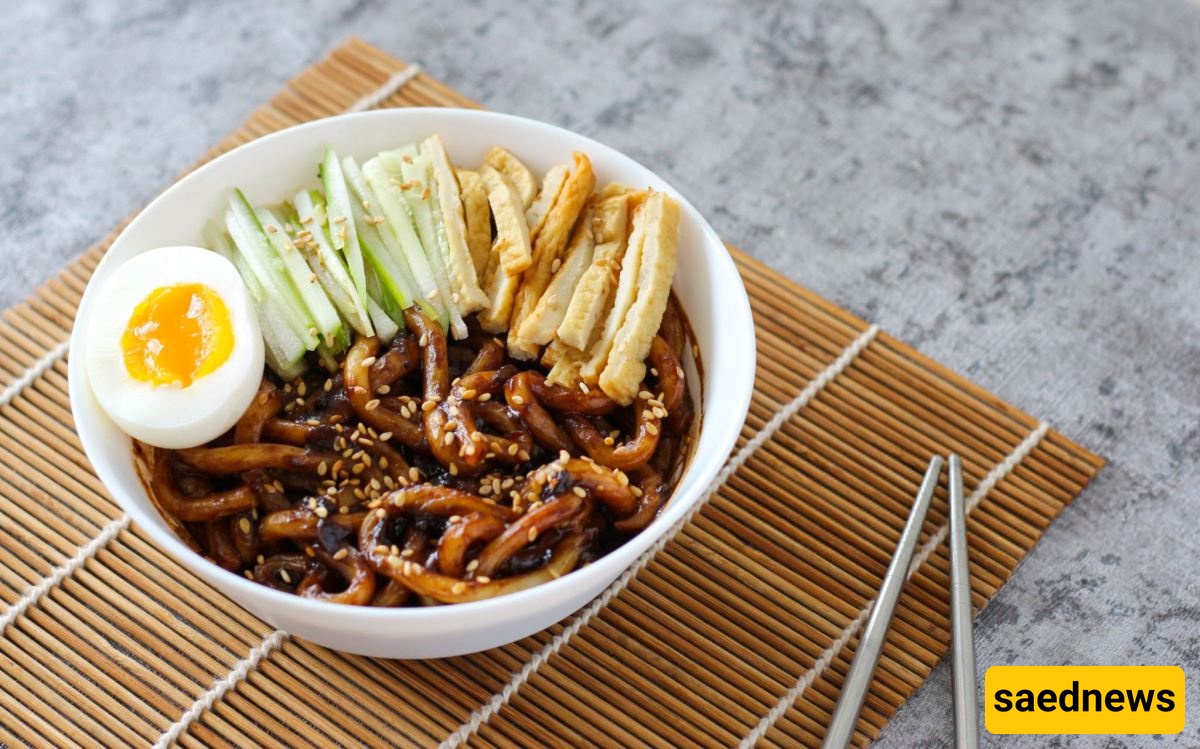
Divide the cooked noodles among four serving bowls and generously spoon the warm black bean sauce over the top.
For garnish, you can add:
Thinly sliced cucumber
Chopped spring onions
Toasted sesame seeds
A boiled egg, if desired
For the best texture, pour the sauce over the noodles immediately before serving. This prevents the noodles from becoming overly soft or soggy.
1. Always fry the black bean paste first.
Stir-frying chunjang in oil releases its aroma and reduces its initial bitterness. Skipping this step may leave the sauce with a raw or unpleasantly bitter taste.
2. Use broth for a richer flavor.
Replacing plain water with beef or chicken broth gives the sauce noticeably more depth and flavor. If you do not have homemade broth, you can use a stock cube dissolved in warm water.
3. Avoid overcooking the vegetables.
The vegetables should retain some of their texture. Overcooking them can make them mushy and affect the overall appearance and quality of the dish.
4. Add the starch mixture at the end.
Always add the potato starch slurry toward the end of cooking. Adding it too early may cause the sauce to become excessively thick or stick to the bottom of the pan.
5. Rinse the noodles after cooking.
Rinsing removes excess surface starch and helps prevent the noodles from sticking together. Tossing them with a small amount of sesame oil also helps maintain their texture.
6. Serve immediately for the best results.
Jajangmyeon tastes best when the noodles are freshly cooked and topped with warm, freshly prepared black bean sauce.
Enjoy your homemade Korean jajangmyeon!