SAEDNEWS: Cleansing the Liver and Gallbladder with the Benefits of Artichoke
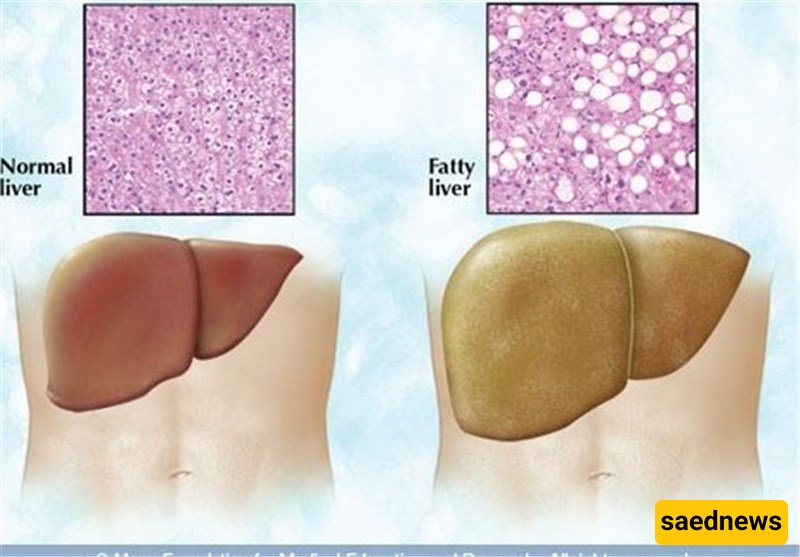
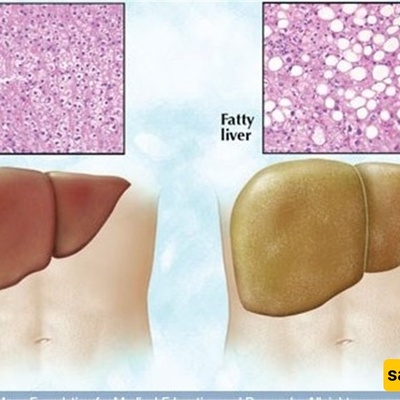
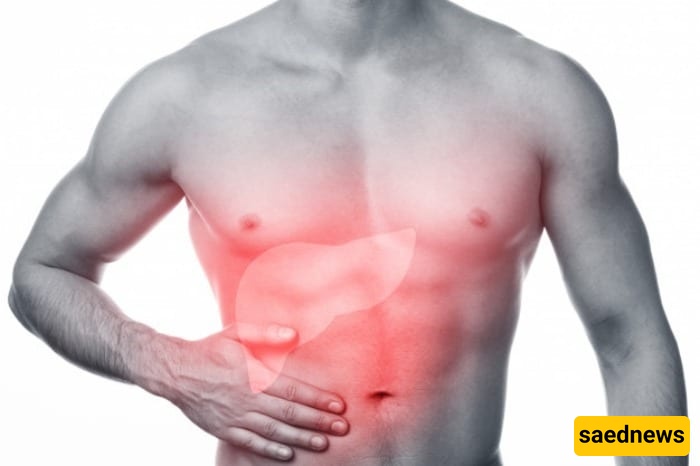
According to Saednews, The human liver may gradually accumulate fat and become exposed to harmful substances due to chemicals and pesticides in food and the environment. This can be associated with various symptoms, including liver spots, headaches, weight gain, heartburn, gallbladder problems, indigestion, and abdominal bloating.
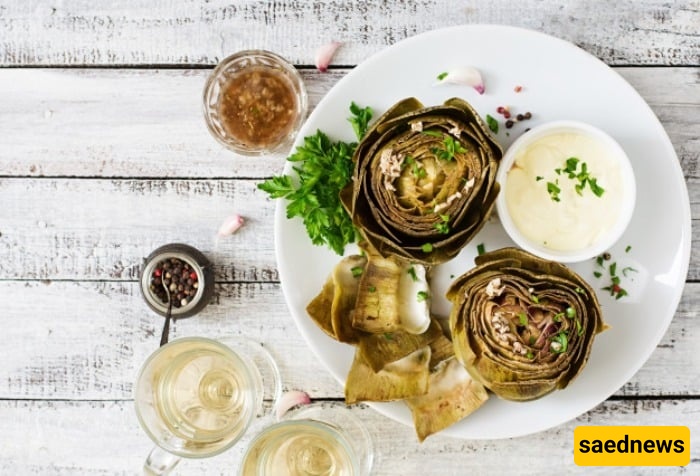
Alongside dietary recommendations and conventional medications, certain herbal remedies and plant extracts are traditionally used to support liver health. One such plant is artichoke (globe artichoke). It is believed to stimulate bile secretion and may help the body eliminate certain accumulated waste products. In this article, we explore the traditional medicinal properties of artichoke and its potential effects on liver health.
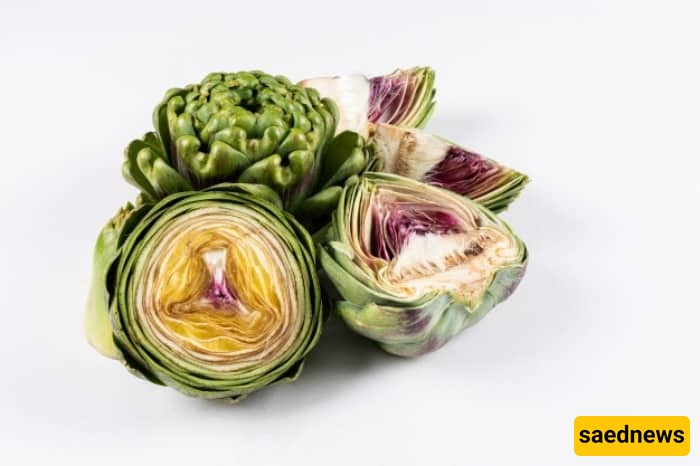
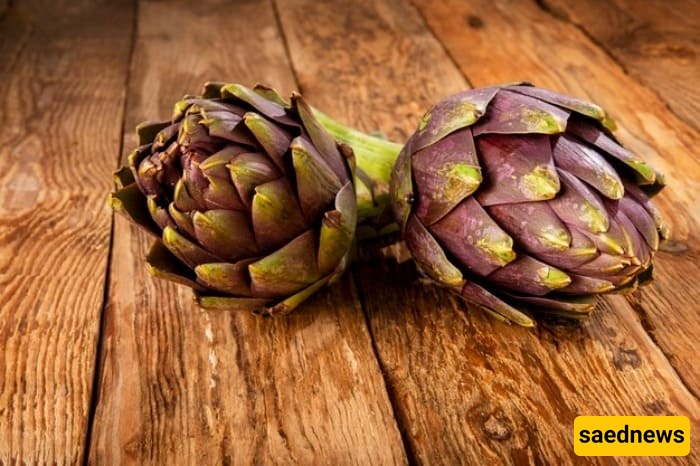
Artichoke, also known as globe artichoke, is a perennial, thorny plant native to the Mediterranean region and southern Europe. It belongs to the Asteraceae (daisy) family. Although its exact origin is uncertain, North Africa, particularly Morocco, is considered one of its possible places of origin.
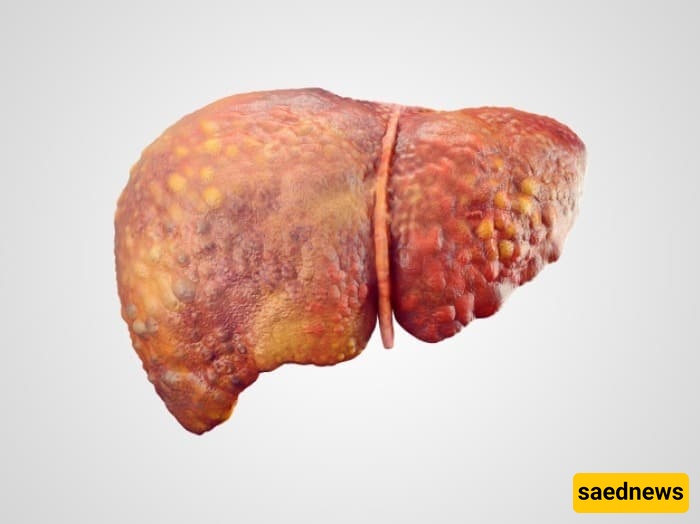
The artichoke plant has an upright stem that can grow to approximately one meter in height. Its broad, elongated, dark-green leaves resemble lettuce leaves. The edible flower head grows at the end of the stem and resembles a pine cone or a scaly apple. The fleshy parts of the flower buds, particularly the thicker portions near the base of the petals, are commonly consumed.
Nutrient | Amount |
|---|---|
Energy | 14 calories* |
Protein | 1.5 g |
Water | 86 g |
Fat | 0.1 g |
Carbohydrates | 5 g |
Calcium | 22 mg |
Phosphorus | 40 mg |
Iron | 0.6 mg |
Sodium | 30 mg |
Potassium | 25 mg |
Vitamin A | 40 IU |
Vitamin B1 | 0.04 mg |
Vitamin B2 | 0.02 mg |
Vitamin B3 | 0.6 mg |
Vitamin C | 5.2 mg |
*Figures reproduced from the original article; nutritional values may vary depending on preparation and source.
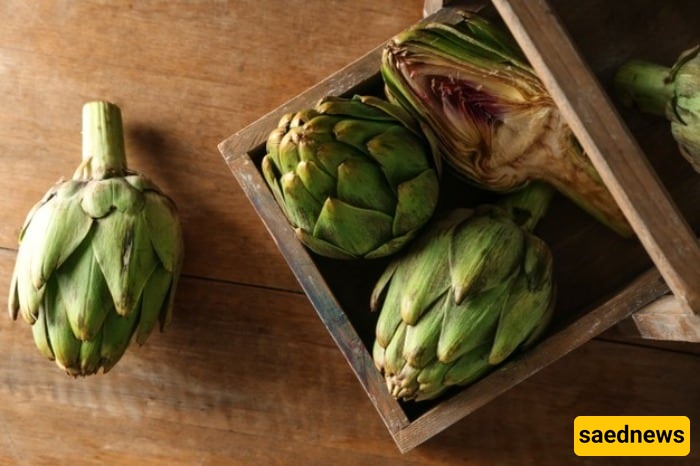
Artichoke contains caffeic acid and flavonoids, compounds with antioxidant properties. These substances may help protect liver cells against oxidative stress caused by free radicals.
Artichoke extract has also been studied for its potential effects on fat metabolism in the liver and other tissues. Certain compounds in the plant may influence cholesterol production by affecting the activity of the enzyme HMG-CoA reductase.
Artichoke is commonly consumed as a herbal tea or used in extract form to obtain its potential health benefits.
Some clinical research has investigated the effects of artichoke on gallbladder function, bile secretion, abdominal discomfort, and nausea.
Artichoke extracts may support bile production and digestion. They have also been studied for their potential effects on cholesterol and triglyceride levels.
However, artichoke should not be considered a proven treatment for gallstones or gallbladder obstruction. People with gallstones or suspected bile duct obstruction should consult a healthcare professional before using artichoke supplements.
According to the traditional preparation described in the original article:
Take 10–20 artichoke leaves.
Add them to approximately 500 ml to 1 liter of water.
Boil for 15 minutes.
Strain the liquid and allow it to cool slightly.
Consume it after meals.
The original article recommends drinking this tea for 45 days.
Important: This preparation and duration are traditional recommendations, not an established medical treatment or scientifically validated liver detoxification protocol.
Artichoke has traditionally been used for several health purposes:
Provides antioxidant compounds.
May support normal liver and gallbladder function.
Artichoke leaf extract has been studied for irritable bowel syndrome (IBS).
May help relieve symptoms of indigestion and stomach discomfort.
Contains plant compounds such as apigenin and luteolin.
May support digestive health.
Has mild diuretic properties.
May help support healthy cholesterol levels.
May contribute to blood sugar regulation.
Has been investigated for its potential role in supporting metabolic health.

Artichoke has attracted attention for its possible role in supporting people with fatty liver disease.
Research suggests that artichoke leaf extract may have beneficial effects on certain liver enzymes and blood lipid levels. Its antioxidant compounds may also help protect liver cells from oxidative damage.
Other potential benefits being investigated include:
Supporting healthy liver enzyme levels.
Helping regulate cholesterol.
Potentially reducing triglyceride levels.
Supporting normal bile production.
Contributing to overall digestive health.
Nevertheless, there is currently insufficient evidence to establish artichoke as a cure for fatty liver disease. A healthy diet, regular physical activity, weight management, and appropriate medical care remain the main approaches to managing fatty liver.
Artichoke has traditionally been associated with the following benefits:
Supporting cardiovascular health and helping maintain healthy cholesterol levels.
Supporting digestion and nutrient absorption.
Helping relieve certain digestive complaints.
Supporting urinary function.
Traditionally used for rheumatic discomfort.
Investigated for possible benefits in metabolic health.
Traditionally used to support weight management.
Providing antioxidant protection.
Supporting normal kidney and urinary tract function.
These traditional uses should not be interpreted as established treatments for medical conditions.
Artichoke has also been used in traditional skincare and haircare preparations.
Skin health: Artichoke extracts contain antioxidant compounds that may help protect the skin from oxidative stress.
Eczema and skin conditions: Artichoke has traditionally been used in preparations for certain skin complaints, although clinical evidence is limited.
Hair care: Artichoke leaf preparations have traditionally been applied to the scalp and hair.
Scalp care: Artichoke extracts are sometimes included in cosmetic products designed to support scalp and hair health.
These cosmetic uses have not been sufficiently established through clinical research.
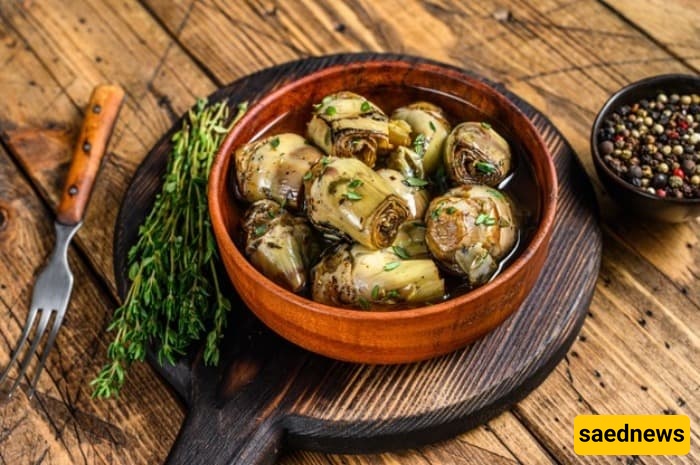
Artichoke salad can be included in a balanced diet as a nutritious meal.
Artichoke, diced
Carrots, diced
Green peas
Chopped lettuce
Fresh lemon juice
Dice the artichoke and carrots.
Boil them in water until tender.
Add the green peas and cook for another 8–10 minutes.
Drain the vegetables and allow them to cool.
Mix them with chopped lettuce.
Add fresh lemon juice and serve.
This vegetable-based salad provides dietary fiber and plant nutrients that can contribute to a heart-healthy eating pattern.
Although artichoke is generally safe as a food for most people, certain individuals should exercise caution.
1. Pregnant women
There is insufficient safety information regarding medicinal doses and concentrated artichoke supplements during pregnancy. Pregnant women should consult their healthcare provider before using them.
2. Breastfeeding women
The safety of concentrated artichoke supplements during breastfeeding has not been adequately established. It is advisable to seek medical advice before using them.
3. People with gallstones or bile duct obstruction
Because artichoke may stimulate bile flow, people with gallstones or suspected bile duct obstruction should avoid medicinal use unless advised by a healthcare professional.
4. People with allergies
Artichoke belongs to the Asteraceae family. Individuals allergic to related plants, such as ragweed, daisies, or chrysanthemums, may experience allergic reactions.
5. People taking cholesterol-lowering medication
Artichoke extracts may potentially interact with medications or influence cholesterol levels. Consult a healthcare professional before combining supplements with prescribed medication.
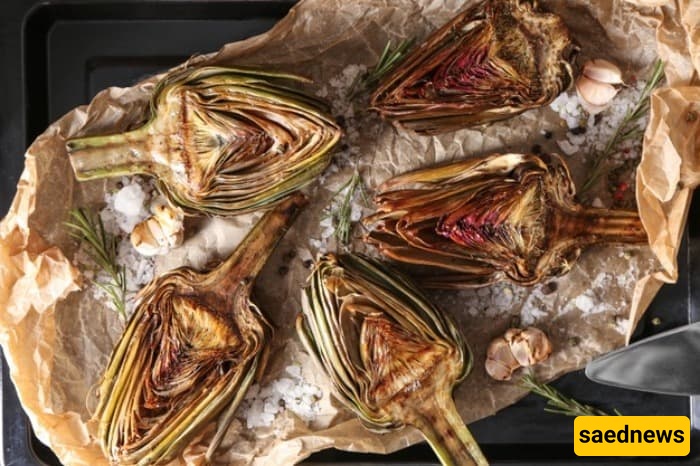
Globe artichoke is a nutritious vegetable containing antioxidants and other beneficial plant compounds. Research into artichoke leaf extract suggests potential benefits for digestion, cholesterol regulation, and certain markers of liver health.
However, claims that artichoke detoxifies the liver, removes gallstones, or cures fatty liver disease are not scientifically established. Including artichoke in a balanced diet may be beneficial, but it should not replace medical diagnosis or treatment.