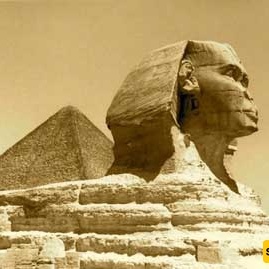
SAEDNEWS: The Great Sphinx of Giza, commonly known as the Sphinx, is a monumental sculpture depicting a mythical creature with the body of a lion and the head of a human. It lies on the Giza Plateau, on the western bank of the Nile River in Giza, Egypt.
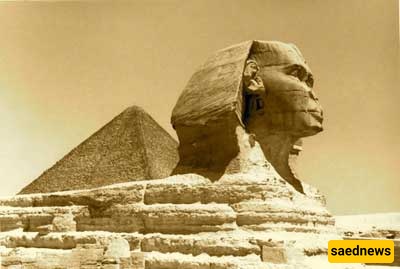
According to Saednews, The Great Sphinx of Giza is the largest stone statue in the world. Measuring 73.5 metres (241 feet) in length, 6 metres (20 feet) in width, and approximately 20–22 metres (66–72 feet) in height, it is one of the oldest known monumental sculptures. It is widely believed to have been built by the ancient Egyptians during the Old Kingdom, under the reign of Pharaoh Khafre (2558–2532 BC).
Origins and Identity
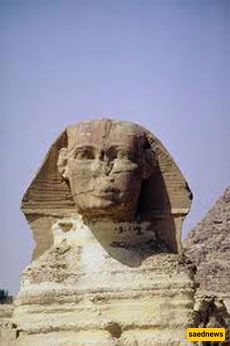
The Great Sphinx is one of the largest and oldest statues in the world. However, fundamental facts about it, including whose face it represents, when it was constructed, and who commissioned it, remain subjects of debate. These unanswered questions have given rise to the famous concept known as the "Riddle of the Sphinx." However, this term should not be confused with the original ancient Greek myth of the Riddle of the Sphinx.
For thousands of years, the lion has been a symbol associated with the sun in the ancient civilizations of the Near East. Depictions of Egyptian kings in the form of lions destroying their enemies date back to very early periods, including the Early Dynastic Period.
During the New Kingdom, the Great Sphinx became particularly associated with the deity Horemakhet (the Hellenized form of Harmachis), or Horus in the Horizon. This association represented the pharaoh in his role as the Shesep-Ankh (meaning "Living Image") of the god Atum.
Pharaoh Amenhotep II built a temple northeast of the Sphinx between 1401 and 1427 BC, approximately 1,000 years after its original construction. He dedicated the temple to the religious cult of Horemakhet.