SAEDNEWS: Khartouran Desert, located south of Shahrud along the edge of the Touran Protected Area, is a pristine and little-known wilderness featuring rolling sand dunes, star-filled skies, and a natural habitat for rare wildlife, including the Persian onager.
According to Saednews, The Kharturan Desert in Iran is one of the country's lesser-known yet ecologically valuable desert landscapes. Located south of Shahrud in Semnan Province, near the Touran Protected Area, this remarkable region offers nature lovers a unique desert experience, featuring vast plains, sand dunes, fragile wildlife habitats, and spectacular star-filled skies. Unlike some of Iran's more popular desert destinations, Kharturan remains relatively peaceful, pristine, and untouched. However, its natural beauty also comes with a greater responsibility for visitors to protect the environment.
This article explores the Kharturan Desert, including its geographical location, natural features, wildlife, travel attractions, best visiting seasons, access routes, and essential principles of responsible tourism.
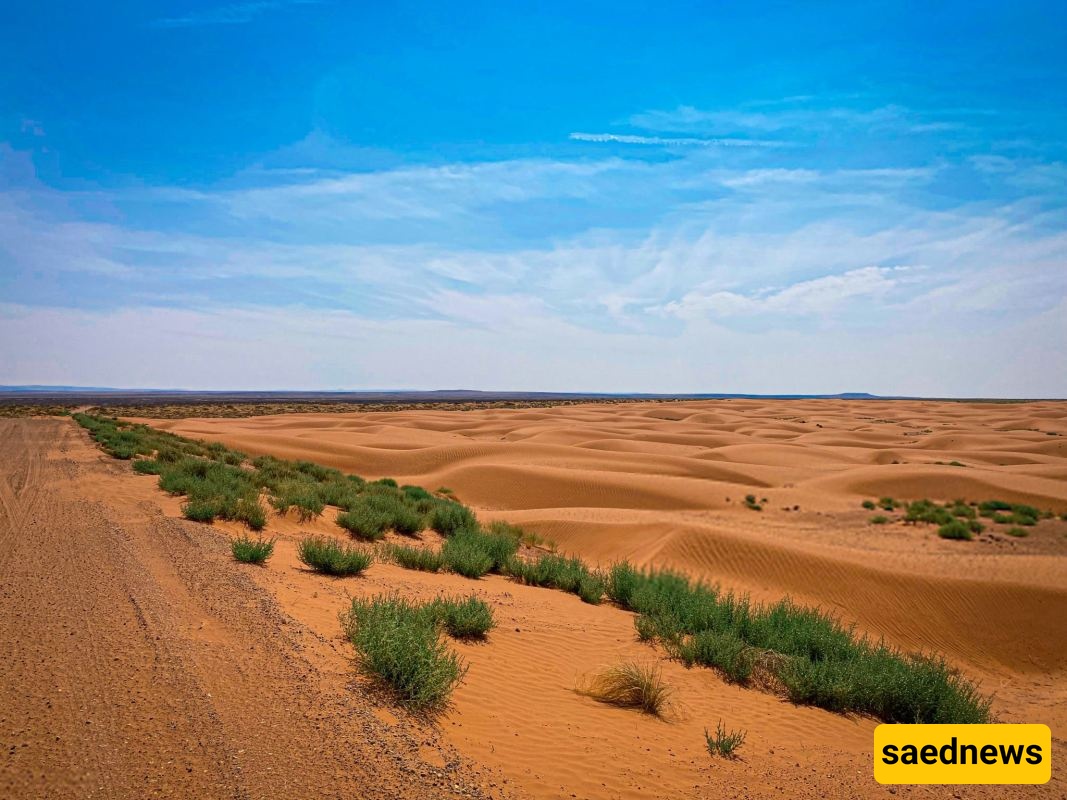
The Kharturan Desert is situated in Semnan Province, south of Shahrud, within the arid and semi-arid landscapes of eastern Iran. It lies close to the protected areas of Touran and forms part of the region's extensive desert and steppe ecosystem. Visitors typically reach Kharturan by traveling from Shahrud toward Biārjmand and continuing along the secondary roads leading into the surrounding desert areas.
It is important to understand that Kharturan should not simply be viewed as an empty salt flat or barren desert. It is actually a diverse landscape consisting of several desert and steppe habitats, each with its own ecological significance. For this reason, visiting Kharturan is more than a recreational trip; it is an opportunity to experience and appreciate Iran's natural environment.
Kharturan lies near the Touran Protected Area, one of Iran's most important wildlife conservation regions. The wider complex includes a national park and protected zones, where access is regulated by the Department of Environment. Visitors should therefore check official access conditions, permit requirements, and authorized routes before planning their journey.
The importance of Kharturan extends far beyond its scenic landscapes. It provides valuable habitats for desert wildlife and plays an essential role in maintaining the ecological balance of the region. Damage to vegetation, off-road driving, littering, and unauthorized access can seriously threaten these fragile ecosystems.
Kharturan has a dry desert climate, with hot summers and cold winters. Temperature differences between day and night can be considerable. After a warm day, desert temperatures may drop significantly after sunset, making appropriate clothing and preparation essential.
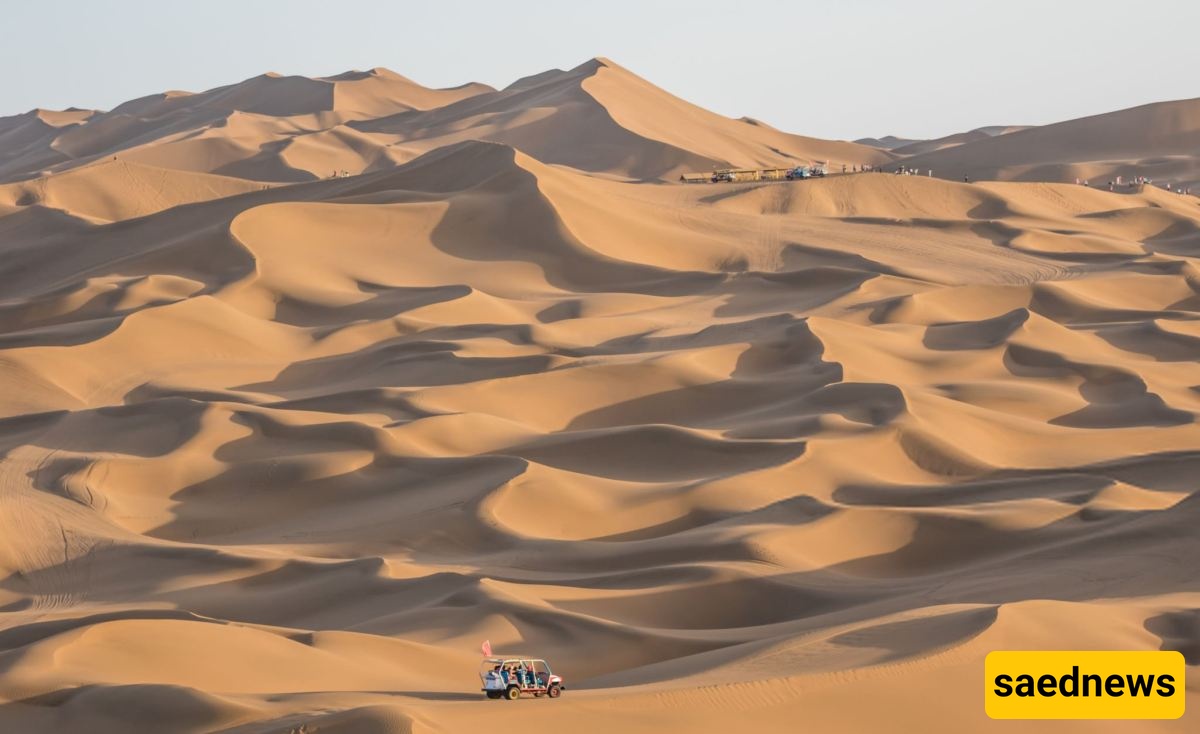
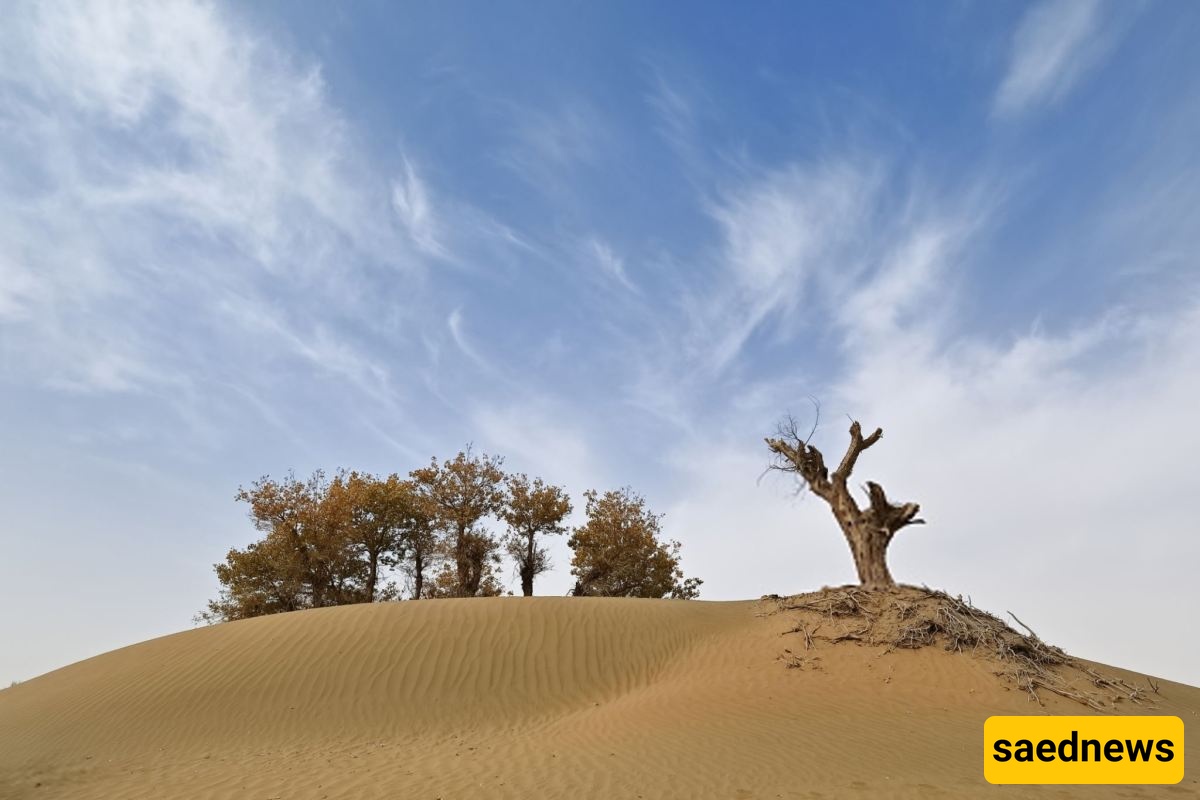
The landscape is a combination of sandy plains, salt flats, extensive steppes, and sand dunes. In some areas, wind-shaped landforms and impressive dunes create beautiful scenery, particularly under the golden light of sunrise and sunset. Vegetation is generally sparse and consists of species adapted to the region's harsh, dry conditions.
Water is one of the most important considerations when exploring this environment. Travelers should carry sufficient drinking water, navigation equipment, suitable clothing, and reliable communication devices. Exploring Kharturan without an experienced local guide is not recommended, especially during the hotter months.
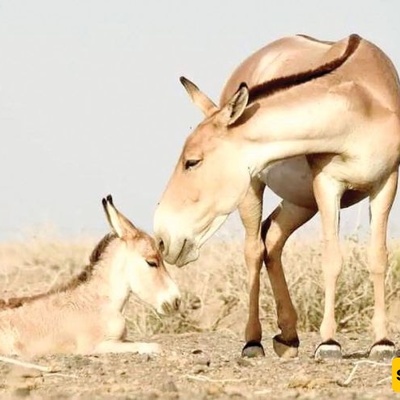
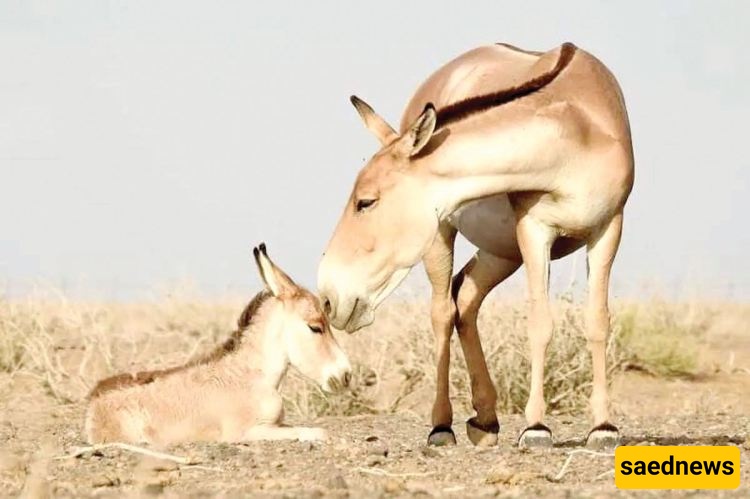
One of the greatest attractions of Kharturan is its remarkable wildlife. The wider Touran ecosystem provides habitats for several desert species, including the Persian onager, gazelles, goitered gazelles, wolves, sand foxes, caracals, and hyenas.
Across the broader Touran conservation landscape, endangered species such as the Asiatic cheetah also inhabit the region. These animals have particularly important conservation status and require careful protection.
Wildlife encounters can be an unforgettable part of a visit, but observing animals should never come at their expense. Approaching wildlife too closely, chasing animals with vehicles, driving off-road through sensitive habitats, and making excessive noise can cause considerable stress. The best approach is to travel with knowledgeable local guides and maintain a safe distance from animals.
Birds of prey are another natural highlight. Kharturan and its surrounding landscapes offer rewarding opportunities for birdwatchers, provided that observation is conducted responsibly and without disturbing nesting sites or natural habitats.
The sand dunes of Kharturan create a peaceful and captivating landscape. Visitors can enjoy short walks across the dunes, photograph the scenery in the soft morning and evening light, and admire the vast open horizons. The silence and sense of space make this experience particularly memorable.
Thanks to its distance from major cities and relatively low levels of light pollution, Kharturan offers excellent opportunities for observing the night sky.
On clear nights, visitors may see countless stars, planets, and even the Milky Way stretching across the darkness. To preserve the natural experience, stargazing should be carried out with minimal artificial lighting and without introducing unnecessary light pollution.
Observing Persian onagers, gazelles, and desert birds is among the most rewarding experiences in Kharturan. Wildlife watching should always be conducted with authorized guides, from a safe distance, and without pursuing or disturbing the animals.
Kharturan is an ideal destination for travelers seeking an escape from crowded tourist attractions. Gentle hiking, nature photography, and experiencing the remarkable silence of the desert are among its main attractions.
It is particularly suitable for those who appreciate peaceful surroundings, natural landscapes, and opportunities for reflection. Rather than loud entertainment or large gatherings, Kharturan offers a quieter and more meaningful connection with nature.
The best time to explore Kharturan is during the cooler months of the year. Early spring and late autumn generally provide the most comfortable conditions for outdoor activities.
Winter can also be suitable for visiting, although travelers should prepare for cold nights and possible strong winds. Summer is generally not recommended because extreme heat, limited shade, and dry conditions can create serious health and safety risks.
Regardless of the season, visitors should check weather forecasts, road conditions, and conservation restrictions before departure.
Essential items include:
Sufficient drinking water
A reliable map and navigation equipment
Food and snacks
Warm clothing for cold desert nights
Sunscreen and a protective hat
A first-aid kit
Reliable communication equipment
The most common access route to Kharturan begins in Shahrud. From there, travelers head toward Biārjmand before continuing along the secondary roads leading into the desert.
Some sections of the route may be unpaved or in average condition, so choosing a suitable vehicle and checking road conditions in advance are important.
Before visiting Kharturan, keep the following recommendations in mind:
Coordinate your visit in advance with the Department of Environment or an authorized tour operator.
Travel with a local guide who knows the roads and wildlife habitats.
Avoid driving outside designated routes.
Collect all waste and take it back to the nearest town.
Avoid lighting fires in areas where they could pose a risk.
Maintain a safe distance from wildlife and never feed wild animals.
Inform a trusted person about your travel route and expected return time.
Tourism in Kharturan should always be based on respect for nature and local communities. Desert ecosystems are particularly fragile, and environmental damage can remain visible for many years.
Driving heavy vehicles across sand dunes, washing vehicles in natural habitats, leaving rubbish behind, and creating excessive noise can all harm local vegetation and wildlife.
Responsible travelers can help protect this remarkable region by hiring local guides, staying in authorized accommodation, purchasing local products and services, and respecting the natural silence and cleanliness of the desert.
In this way, a visit to Kharturan becomes more than an ordinary travel experience. It also provides an opportunity to support local communities and contribute to the long-term conservation of one of Iran's valuable natural landscapes.
For travelers looking beyond Iran's well-known tourist destinations, the Kharturan Desert offers a rare opportunity to experience untouched landscapes, remarkable biodiversity, peaceful surroundings, and breathtaking night skies.
From the graceful Persian onager to the endless desert horizons, Kharturan reveals a different side of Iran—one where nature, silence, and wildlife take center stage.
Visiting this remarkable destination responsibly helps ensure that its natural treasures remain protected for future generations.