SAEDNEWS: Must-See Places That May Soon Disappear
According to Saednews, Over the past 200 years, the world's population has grown dramatically, and humanity has made remarkable technological advances. Alongside this progress, human needs and consumption have increased. As a result, our planet has become increasingly polluted, while natural environments, wildlife habitats, archaeological treasures, and popular tourist destinations are disappearing at an alarming rate.
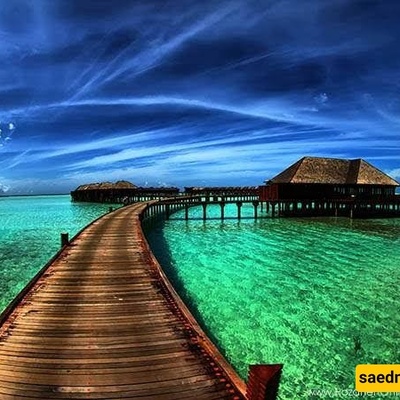
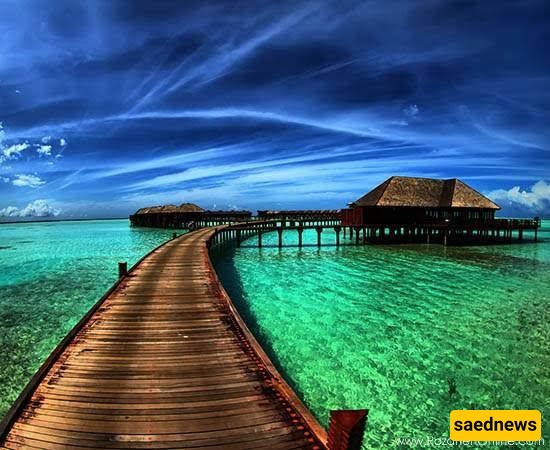
The Maldives, located in the Indian Ocean, is famous for its numerous islands and beautiful white-sand beaches, attracting tourists from around the world. It is the world's lowest-lying country, with an average elevation of just 1.5 meters above sea level. Global warming, melting glaciers, and rising sea levels pose a serious threat to the country and its inhabitants. Many local communities live on islands barely one meter above sea level, putting them at increasing risk of being submerged.
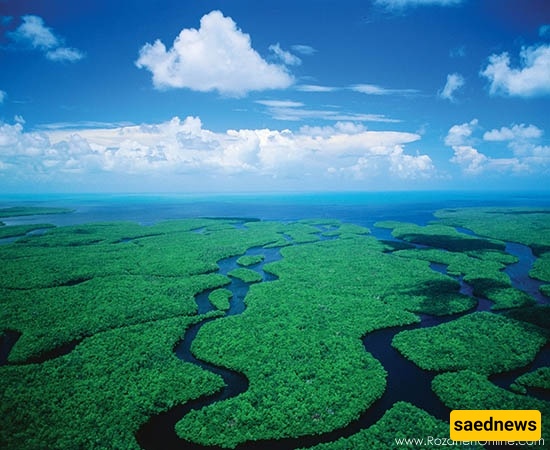
The Everglades is one of the largest tropical wetlands in the world and is home to hundreds of animal and plant species. However, agricultural development and dams built along nearby rivers have placed this unique ecosystem in danger. Over the past century, approximately half of its original surface area has been lost. If this destruction continues, the Everglades could face further severe environmental decline.
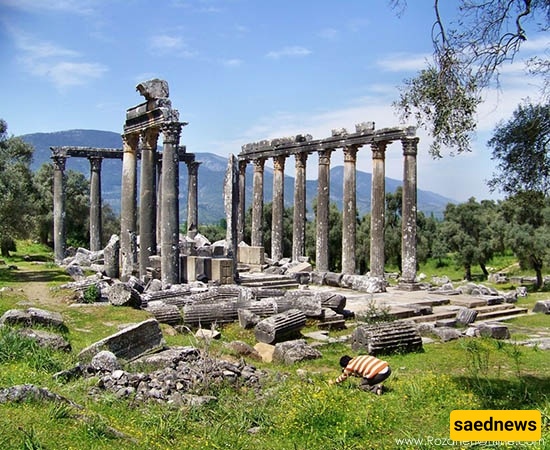
Olympia is the historic site where the ancient Olympic Games were held in Greece. However, increasingly hot summers have contributed to recurring wildfires in the region. These fires pose a serious threat to the archaeological remains and the birthplace of one of the world's most celebrated sporting traditions.
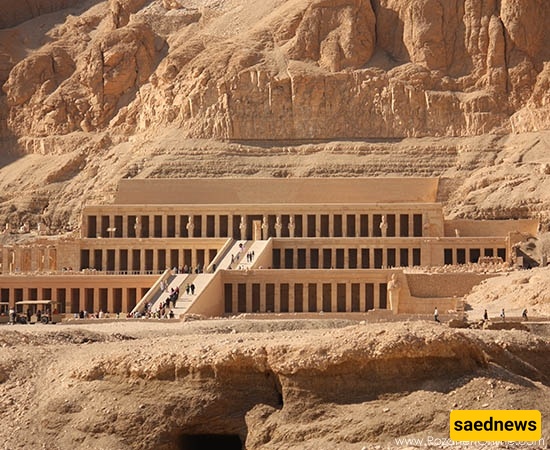
Located approximately 500 kilometers south of Cairo, the Valley of the Kings is one of Egypt's most important archaeological sites. It contains the tombs of ancient Egyptian pharaohs and other prominent members of the royal families.
Humidity and fungal growth, partly caused by moisture from the breath of thousands of daily visitors, have contributed to the deterioration of the tomb walls. If these conditions continue, many of these extraordinary historical treasures could suffer irreversible damage over the coming centuries.
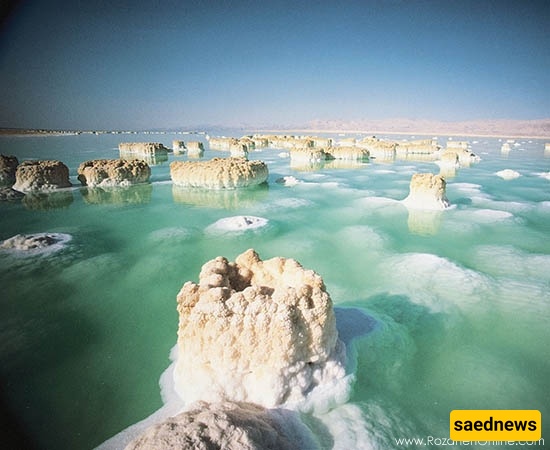
The Dead Sea, located between Jordan and Israel, is a remarkable body of water and the deepest hypersaline lake in the world. For thousands of years, it has attracted visitors because of its mineral-rich waters, which are believed to have therapeutic properties.
However, its surface area has shrunk by approximately one-third over the past four decades. One of the main reasons is the reduced flow of the Jordan River, which feeds the lake. Water diversion and declining rainfall have contributed to the ongoing environmental crisis.
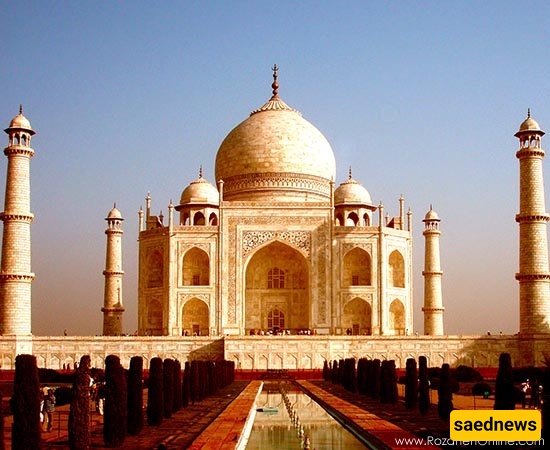
The Taj Mahal, one of the Seven Wonders of the World, was commissioned by Mughal Emperor Shah Jahan. Its magnificent marble architecture attracts millions of visitors to India every year.
However, declining water levels in the nearby river have raised concerns about the deterioration of the wooden foundations supporting the monument. Environmental changes and structural risks have led to fears about the long-term preservation of this architectural masterpiece.
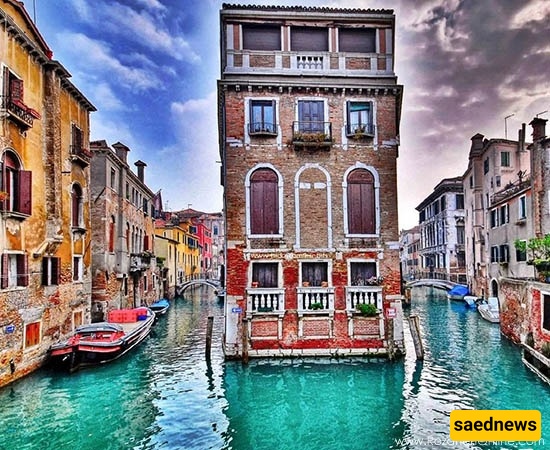
Venice is one of Italy's most beautiful and distinctive cities, built across a network of islands and canals. Boats and water taxis are among the main means of transportation throughout the city.
Famous for its remarkable architecture and extraordinary collection of historical and artistic treasures, Venice is recognized as a UNESCO World Heritage Site and attracts millions of visitors every year.
However, recurring floods regularly threaten the historic city, sometimes causing water levels to rise significantly above normal. Rising sea levels and land subsidence are expected to make flooding increasingly severe. Without effective protective measures, large parts of Venice could face serious long-term damage.
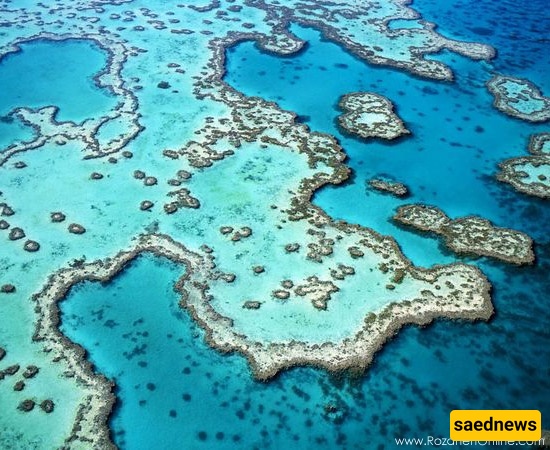
Located off the northeastern coast of Australia in the Pacific Ocean, the Great Barrier Reef is the world's largest coral reef system. Much of this natural wonder is protected within a marine park established by the Australian government.
Despite these conservation efforts, the reef faces serious threats from ocean pollution, overfishing, and rising sea temperatures. Climate change has caused widespread coral bleaching, putting this extraordinary marine ecosystem and its biodiversity at risk.
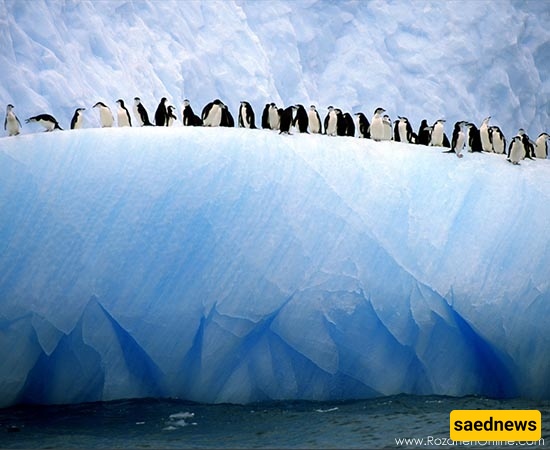
The Arctic and Antarctic are two of the planet's most important frozen regions. They play a crucial role in regulating Earth's climate and supporting numerous wildlife species.
However, global warming has accelerated the loss of ice in both regions. Continued ice melting threatens natural habitats, disrupts ecosystems, contributes to rising sea levels, and places many species at risk of extinction.
The disappearance of these frozen environments could have serious consequences for the entire planet.
The Amazon Rainforest, located in South America, is one of the largest and most biologically diverse tropical forests on Earth. The Amazon River, one of the world's largest river systems, flows through this vast region.
The rainforest provides a habitat for countless animal and plant species and plays an essential role in maintaining the global climate.
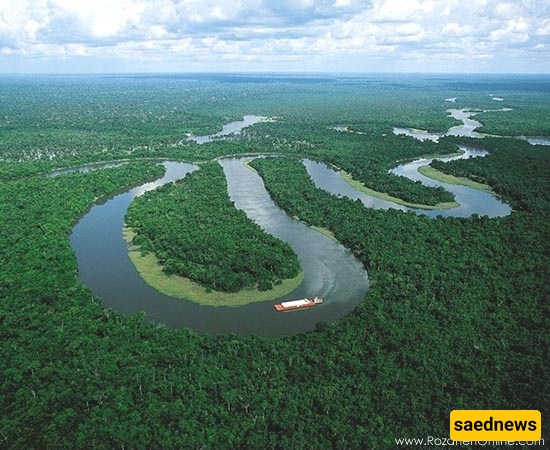
Unfortunately, human activities and climate change are placing the Amazon ecosystem under increasing pressure. Extensive deforestation, agricultural expansion, and road construction have destroyed habitats, endangered native species, and threatened the survival of countless others.
Despite warnings and conservation efforts by environmental organizations, deforestation continues. What once seemed like an endless forest has lost at least 17 percent of its tree cover over the past half-century.
These extraordinary destinations remind us that environmental destruction and climate change are not distant problems. They are already affecting some of the world's most valuable natural landscapes and cultural landmarks. Protecting them requires global awareness, responsible tourism, environmental conservation, and immediate action.