SAEDNEWS: Calculating the right amount of meat per person helps reduce costs, prevent food waste, and make meal planning easier. Stay with us for more.
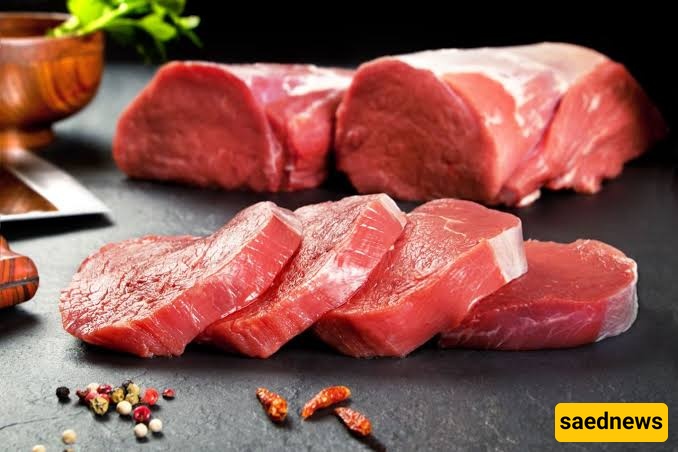
According to Saednews, One of the most common questions people ask before buying or preparing food for a group of guests is: How much meat do you need per person? Knowing the right amount not only helps prevent food waste and unnecessary expenses but also makes it easier to plan family meals and special occasions.
The ideal portion of meat per person depends on several factors, including the type of meat, the dish being prepared, the number of side dishes, the age groups of your guests, and even regional eating habits.
This comprehensive and practical guide explains how to calculate meat portions for different situations, from everyday family meals to large gatherings and celebrations. It also covers the difference between raw and cooked meat weights, annual meat consumption, and nutritional recommendations.
Meat is one of the most expensive items in a household grocery budget. Calculating the right amount per person prevents unnecessary purchases and reduces the likelihood of throwing away leftover food. It also helps families manage their food expenses more effectively.
According to international reports, a significant proportion of food waste occurs at the household level. Preparing more food than necessary is one of the main causes of this problem.
Meat is an important source of protein, iron, zinc, and B vitamins. Underestimating the amount of meat needed per person may reduce the nutritional value of a meal, while buying excessive quantities can lead to unnecessary financial costs and potential health concerns.
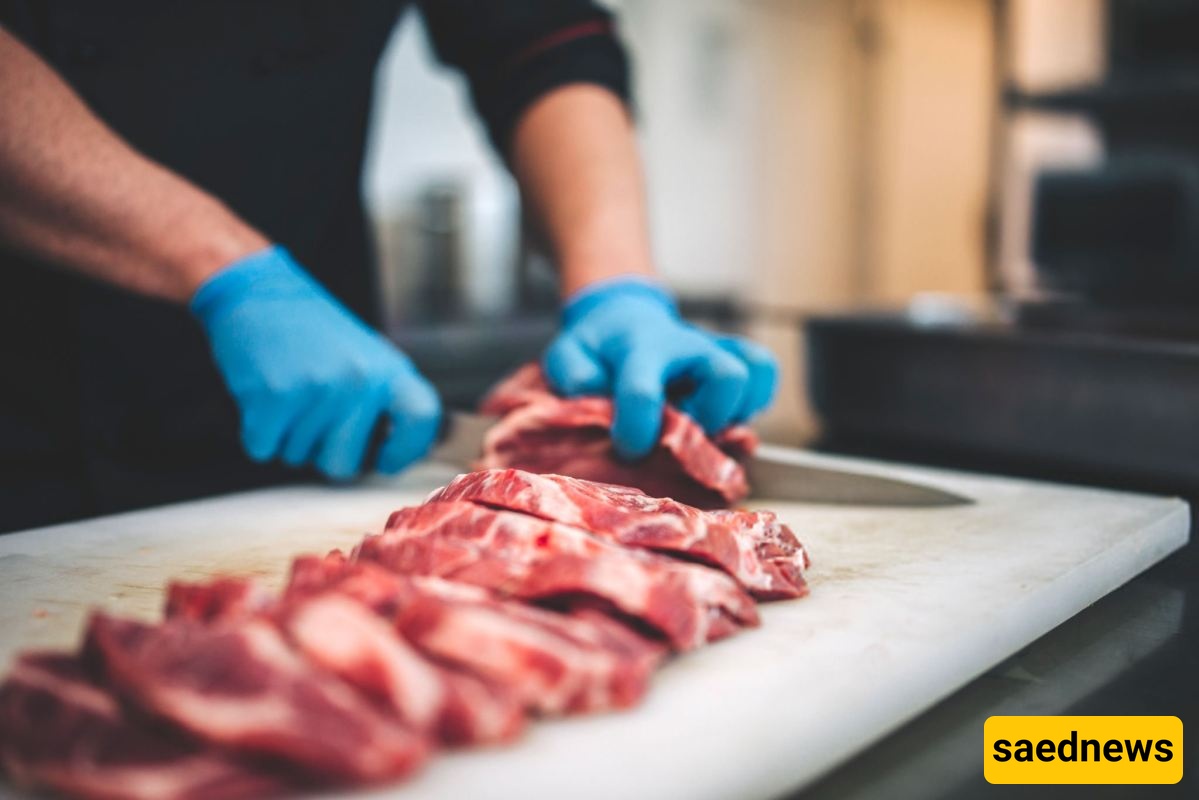
The amount of meat required per person can be estimated based on the type of meat and the dish being prepared. The following table provides a general practical guide:
Type of Meat or Dish | Raw Meat Per Person |
|---|---|
Stewing meat (beef or lamb stew) | 100–120 g |
Ground meat (cutlets, meatballs, patties) | 100–120 g |
Koobideh kebab | 150–200 g (1–2 skewers) |
Barg kebab and Chenjeh kebab | 150–200 g |
Bone-in chicken (stew or roast chicken) | 200–250 g |
Chicken breast or fillet (chicken kebab) | 150–200 g |
Fish fillet | 150–200 g |
Steak or beef sirloin | 150–200 g |
Abgoosht (Persian meat and bean stew) | 100–150 g, including bone |
Important: These figures refer to raw meat weight and should be calculated before cooking.
One of the most common mistakes when calculating meat portions is confusing raw weight with cooked weight.
During cooking, meat loses some of its water content, resulting in a reduction in weight:
Red meat: Approximately 25–30% weight loss.
Chicken: Approximately 20–25% weight loss.
Fish: Approximately 15–20% weight loss.
For example, if a recipe requires 200 grams of cooked meat, you should purchase approximately 260–280 grams of raw meat.
Therefore, when shopping and calculating portions, always use raw meat weight as your starting point.
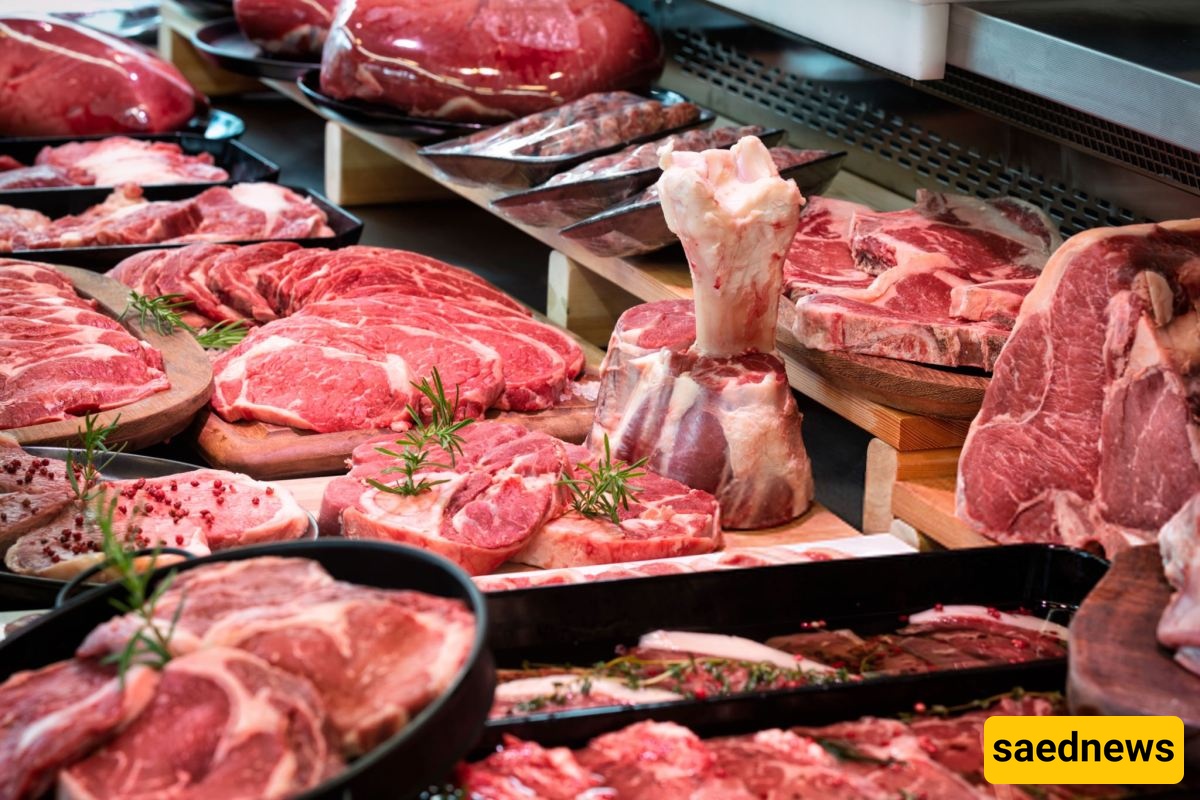
In stews where meat is cut into small pieces and distributed throughout the sauce, approximately 100–120 grams of meat per person is sufficient.
For a family of four, 400–500 grams of stewing meat is generally enough.
For Koobideh kebab, the usual serving is one to two skewers per person, equivalent to approximately 150–200 grams of raw ground meat.
If the meal includes plenty of side dishes, such as rice, salad, and bread, one skewer per person may be sufficient.
For Joojeh Kebab, plan on approximately 150–200 grams of raw, boneless chicken per person. This amount is generally suitable for one medium-sized serving of chicken kebab.
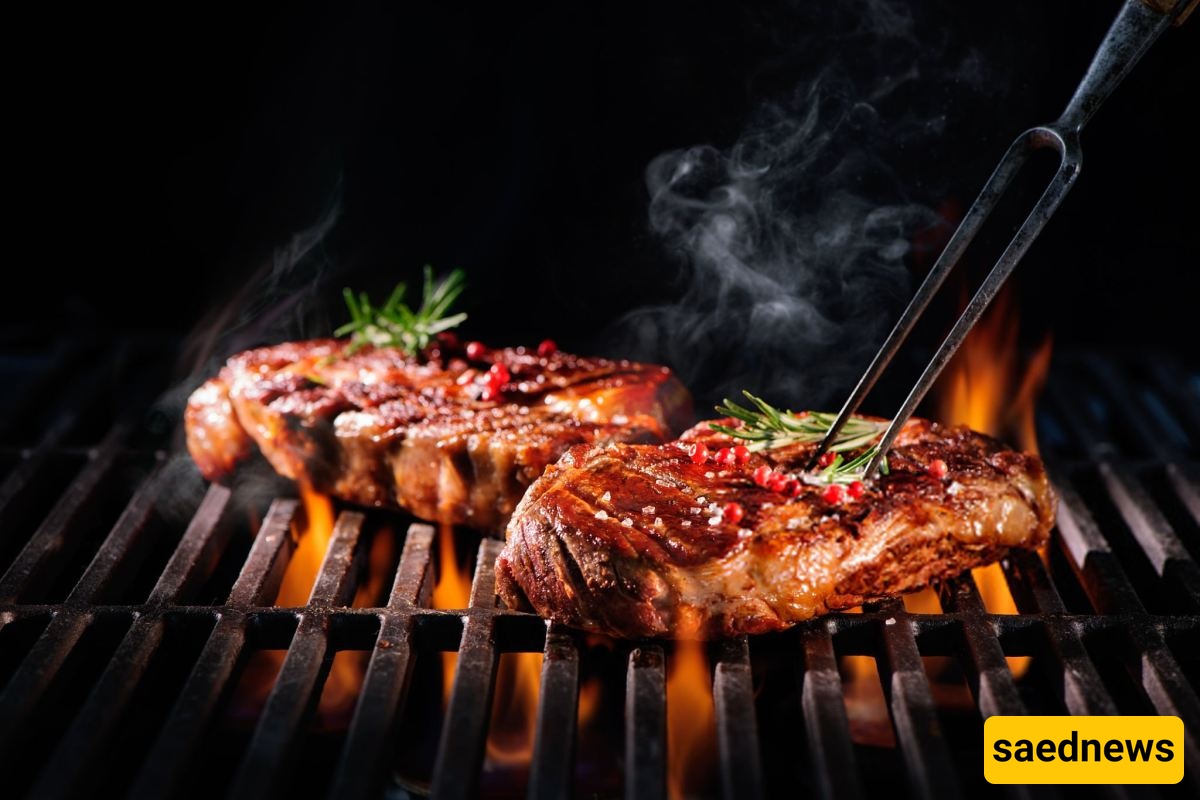
Since Abgoosht combines meat with legumes and bread, the amount of meat required per person is relatively modest.
Typically, 100–150 grams of bone-in meat per person is sufficient.
These dishes combine ground meat with other ingredients, such as potatoes, eggs, and onions.
As a result, approximately 100–120 grams of ground meat per person is usually enough.
When preparing food for a party, it is advisable to purchase approximately 15–25% more meat than your initial calculation suggests.
This extra amount helps account for cooking losses, guests with larger appetites, unexpected visitors, and serving variations.
Suppose you are serving Koobideh kebab with rice to 20 guests.
If you allocate 170 grams of raw meat per person and add a 20% allowance for the occasion, the calculation is:
170 × 20 = 3,400 grams
3,400 × 1.2 = 4,080 grams
Total required: Approximately 4.1 kilograms of ground meat.
The more appetizers, salads, drinks, and desserts you serve, the less meat each guest is likely to consume.
For formal gatherings with a variety of appetizers and side dishes, you can reduce the planned meat portion per person by approximately 15–20%.
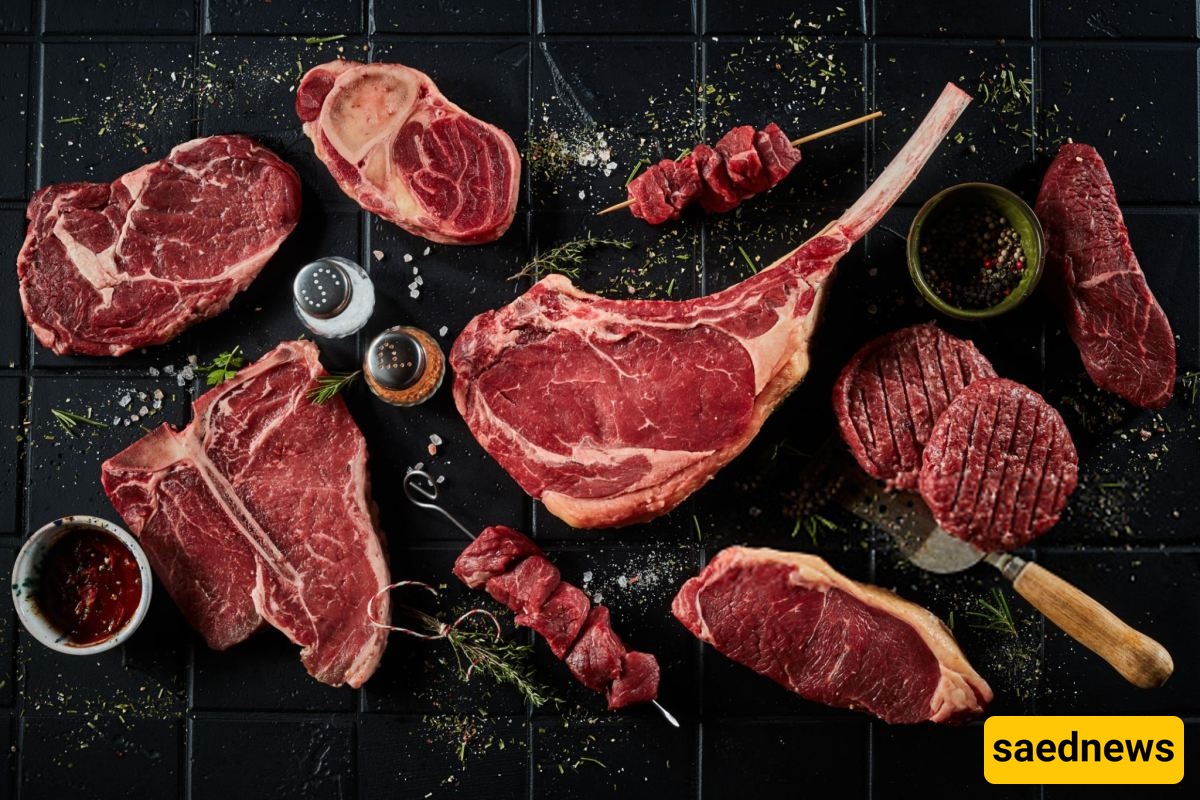
Young children and some older adults generally consume less meat than other adults.
For gatherings with guests of different ages, you can estimate approximately 60–70% of an adult portion for each child.
The following table summarizes recommended raw meat quantities for different occasions and age groups.
Occasion or Guest Type | Recommended Raw Meat Per Person |
|---|---|
Everyday family meal (stew) | 100–120 g |
Family meal (kebab) | 150–200 g |
Party with appetizers and side dishes | 150–180 g |
Large celebrations and formal gatherings | 180–250 g |
Children under 10 | 60–100 g |
Older adults with smaller appetites | 80–120 g |
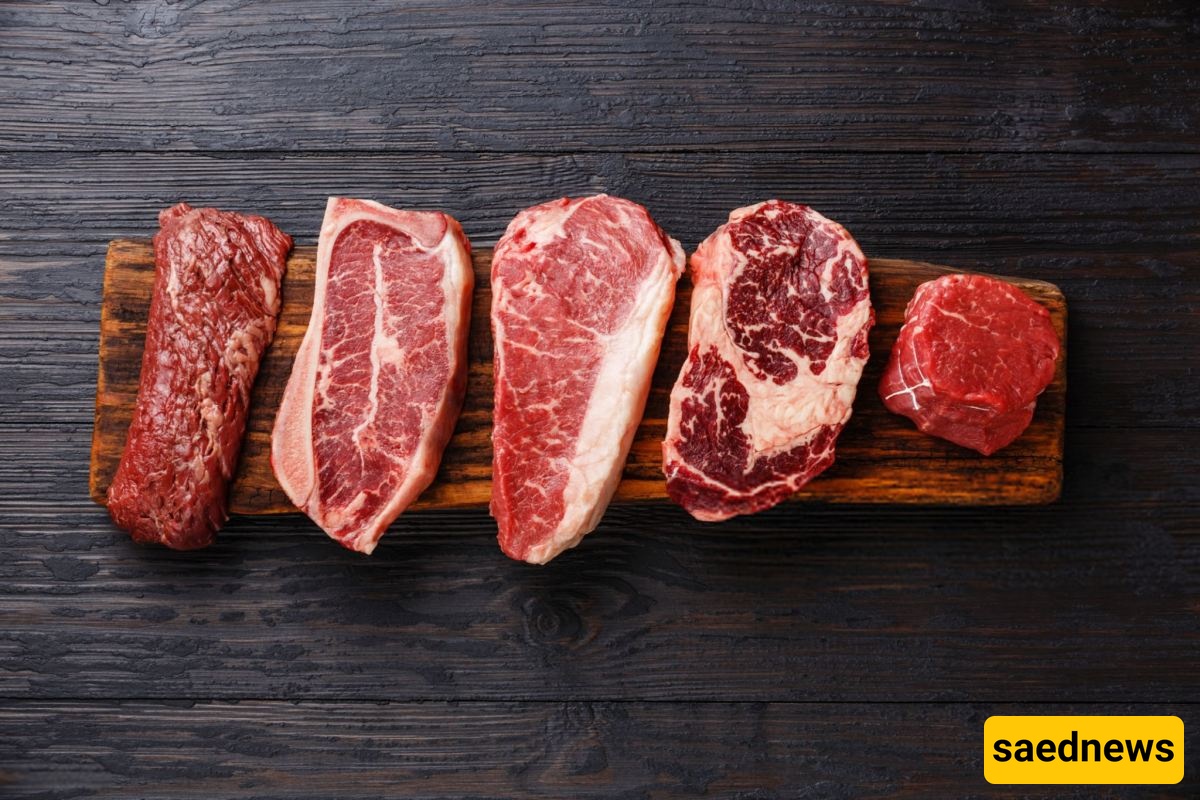
The right amount of meat per person depends on the dish, the guests, and the other foods being served. As a general guideline, plan for 100–120 grams of raw meat for stews and ground-meat dishes, and 150–200 grams for kebabs, steaks, and fish.
For larger gatherings, consider adding a 15–25% buffer to your total estimate. Remember to account for cooking-related weight loss and adjust portions for children, older adults, and guests who may prefer smaller servings.
With a little planning, you can serve satisfying meals, control your grocery budget, and minimize food waste.