SAEDNEWS: Tent color is more than just a matter of personal preference. It is a practical factor that can influence interior temperature, emergency visibility, sleep quality, fabric durability, and even insect attraction. In this guide, we explore the best tent colors based on your travel style, climate, and personal priorities.
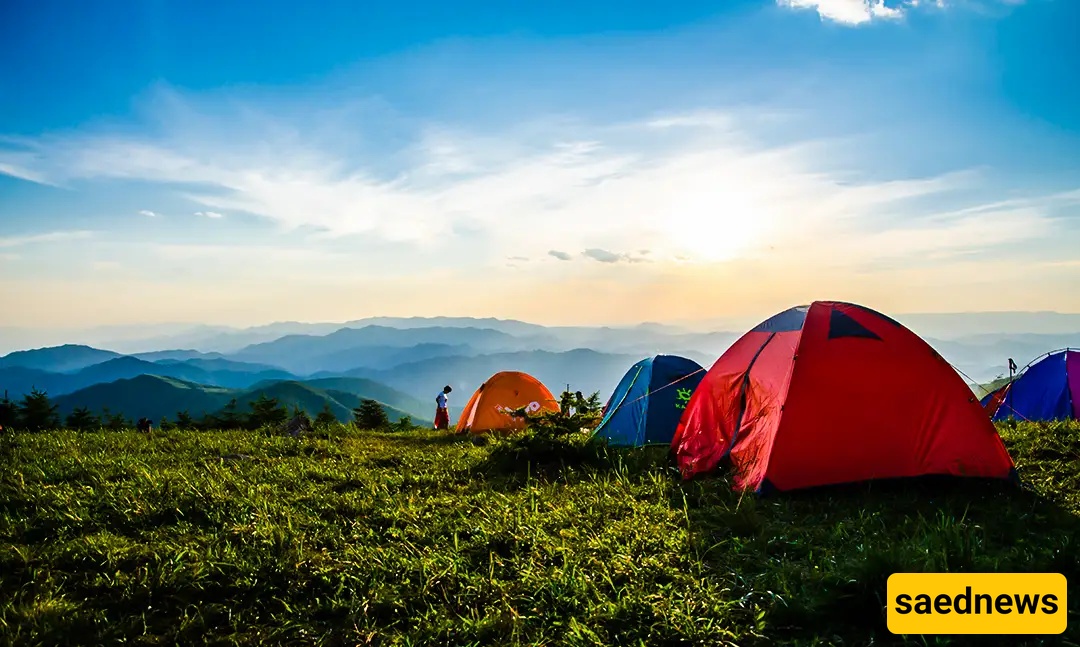
According to Saednews, Choosing a tent is one of the most important decisions for any hiker or camper. Most people focus on weight, fabric type, number of layers, waterproof rating, and dimensions when purchasing a tent, while treating color as nothing more than a matter of personal preference. However, tent color is actually a practical feature that directly affects interior temperature, safety in emergencies, sleep quality, fabric durability, and even insect attraction.
In this article, we take a closer look at the best tent colors for hiking and camping from a technical and practical perspective, helping you make an informed decision based on your travel style, climate, and priorities.
Many people assume that tent color is purely an aesthetic choice. In reality, it serves several important functions:
Temperature control: Light-colored fabrics reflect much of the sunlight, while dark colors absorb more heat.
Safety and visibility: High-contrast colors can make a life-saving difference during emergencies.
Interior lighting: The inner tent color affects the amount and quality of light entering the sleeping area.
Fabric durability: Pigments and protective coatings respond differently to ultraviolet (UV) radiation.
Dirt and moisture detection: Light-colored fabrics make mold, stains, and dampness easier to identify.
For these reasons, tent color should be evaluated as a technical specification, just like weight and hydrostatic head (waterproof rating).
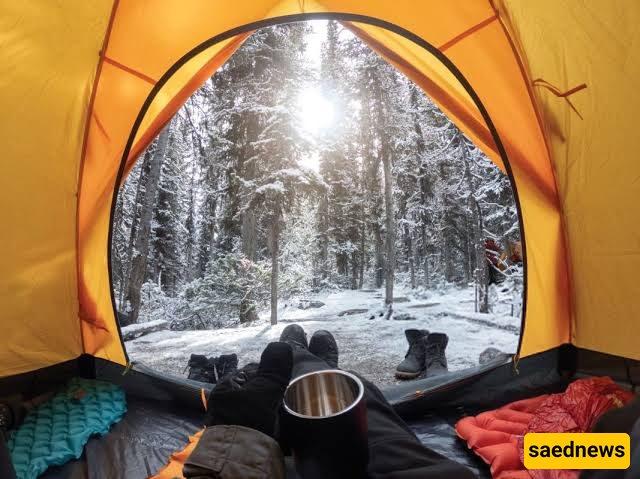
Albedo refers to the proportion of incoming sunlight that a surface reflects. According to data published by organizations such as NASA, fresh snow has an albedo of approximately 0.8–0.9, white surfaces have an albedo of around 0.8, and black surfaces have an albedo close to 0.05.
This means that a black surface absorbs almost all incoming solar energy.
1. Hot Weather and Strong Sunlight
Light-colored tents, such as white, beige, light gray, and silver, absorb less heat and generally remain cooler during the hottest hours of the day.
However, a light-colored tent cannot replace proper ventilation. Even a white tent can become uncomfortably hot if it lacks adequate ventilation windows and airflow.
2. Cold Weather and High-Altitude Camping
Dark-colored tents warm up more quickly on sunny mornings. Ice and morning dew on their surfaces may also melt sooner.
For mountaineers dealing with freezing temperatures and morning frost at high elevations, this can be a practical advantage.
3. Camping in Snowy Environments
Sunlight reflects off snow and reaches the tent walls. A light-colored tent reflects and scatters more of this incoming energy, helping maintain a cooler and more evenly lit interior. A dark-colored tent absorbs more of the reflected solar energy.
Lower interior temperatures during summer and in hot climates.
Better interior visibility and a brighter, more pleasant atmosphere.
Easier detection of stains, moisture, and mold.
Better visibility at night and during search-and-rescue operations.
A more relaxing atmosphere and reduced feeling of confinement.
They tend to look dirty more quickly.
They are more noticeable in natural environments.
Some allow considerable morning light inside, potentially disrupting sleep.
Faster warming on cold, sunny mornings.
Reduced light penetration, allowing for longer sleep.
Better camouflage for wild camping and environmentally sensitive areas.
Surface dirt and stains are less noticeable.
Greater heat absorption under intense sunlight.
Lower visibility during emergencies.
Moisture and mold can remain unnoticed for longer.
Increased heat absorption may place additional thermal stress on waterproof coatings.
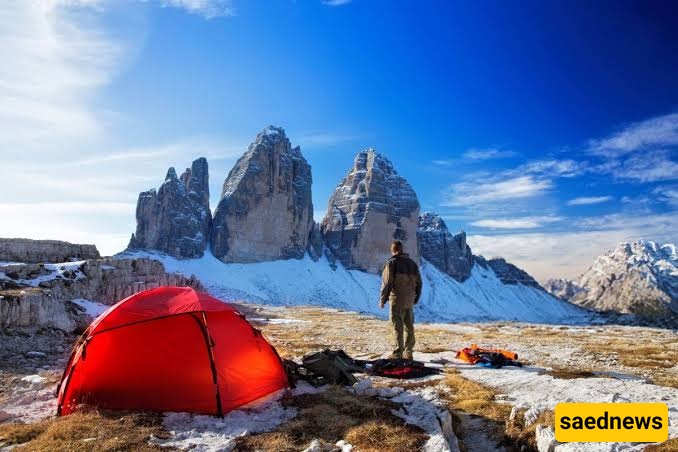
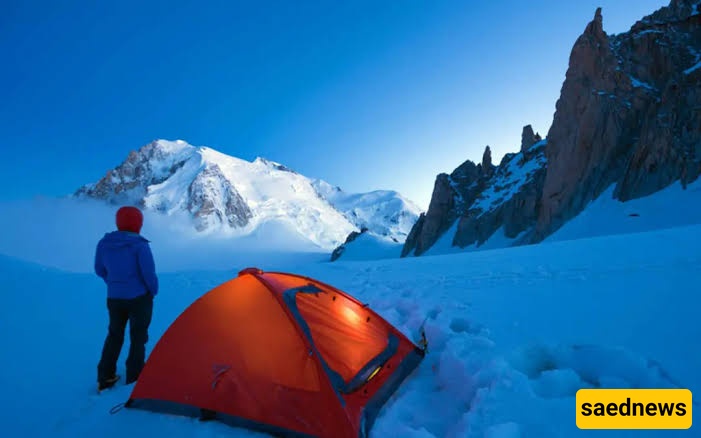
In the mountains, tent color is much more than an aesthetic decision; it is an important safety feature.
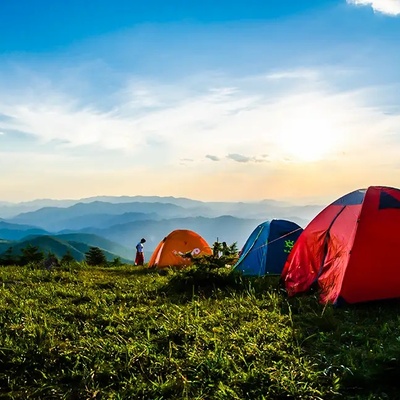
Search-and-rescue teams generally look for high-contrast tent colors such as red, orange, yellow, bright blue, and fluorescent green.
Research in safety and design suggests that orange and red provide strong contrast against many natural backgrounds, including green vegetation, gray rocks, and white snow. This is why rescue organizations and many manufacturers of professional outdoor equipment use orange for emergency and survival products.
High-altitude hiking and winter mountaineering: Orange, red, and yellow are excellent choices, especially where getting lost or encountering an accident is a possibility.
Family and group camping: Bright colors such as light blue and fluorescent green offer both attractive aesthetics and improved visibility.
Wild camping and environmentally sensitive areas: Neutral colors such as olive green, khaki, and brown are more discreet and environmentally considerate.
In double-wall tents, the outer rainfly and inner sleeping compartment do not necessarily need to have the same color.
One of the most practical combinations is a high-visibility exterior with a light-colored, matte interior.
Light-colored interiors offer several advantages:
They distribute natural daylight more effectively, making the interior more comfortable in the morning.
They make moisture and stains easier to identify.
They create the impression of a larger interior space.
They help reduce the psychological discomfort associated with confined spaces, especially in smaller tents.
On the other hand, dark interiors are suitable for people who prioritize longer sleep and reduced exposure to early morning sunlight. However, moisture and mold may be harder to detect.
Pigments and protective coatings are part of a fabric's overall structure. Fabrics designed to achieve darker colors may absorb more sunlight and behave differently under UV exposure.
Greater light absorption means more energy is retained at the fabric surface, potentially increasing the temperature of the polyurethane coating used for waterproofing in many tents.
This becomes particularly important during long-term trips and extended camping periods.
If your tent is regularly exposed to intense sunlight, a light-colored fabric or reflective coating may help extend its service life. In contrast, if you mainly camp in forests, shaded areas, or cloudy environments, the difference may be less noticeable.
Some manufacturers use metallic reflective coatings on the outer tent layer. These coatings primarily influence the transfer of radiant heat.
Before purchasing a tent, look for independent field-test results rather than relying exclusively on manufacturers' advertising claims.
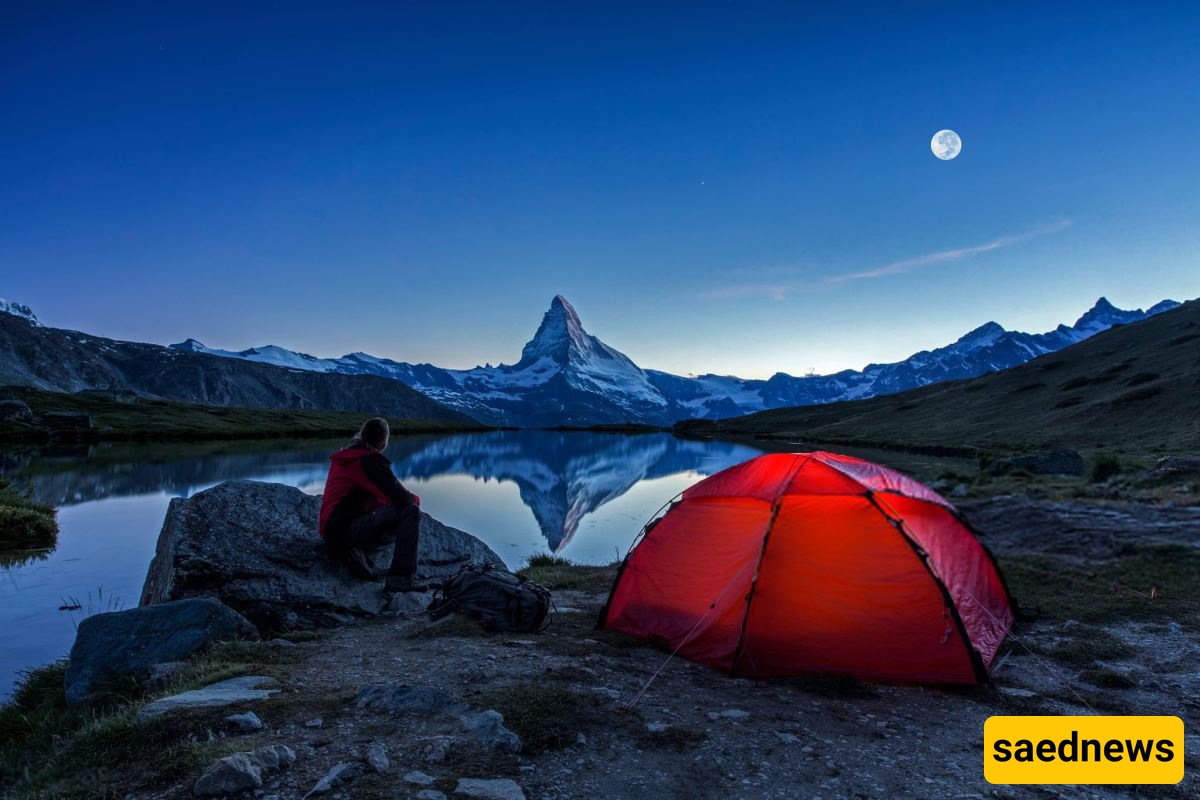
Recommended colors: Orange, red, or yellow
Why?
Excellent visibility during emergencies.
Strong contrast against snow and rocky landscapes.
Better heat absorption on cold, sunny mornings.
Recommended colors: White, beige, light gray, or silver
Why?
Reduced solar heat absorption.
Lower interior temperatures.
Potentially less thermal stress on tent materials exposed to UV radiation.
Recommended colors: Olive green, khaki, or brown
Why?
Blend naturally into the surroundings.
Minimize visual disturbance to wildlife.
Reduce unnecessary attention in remote natural areas.
Recommended colors: Light blue, fluorescent green, or orange
Why?
Children and other group members are easier to locate.
Improved visibility around the campsite.
Bright and cheerful surroundings.
Recommended colors: Yellow or orange
Why?
Better visibility on roads and beside cycling routes.
Reduced risk of collisions with passing vehicles.
Easier identification of your campsite.
Recommended colors: Light shades or reflective-coated fabrics
Why?
Potentially improved fabric longevity under intense sunlight.
Reduced thermal stress on waterproof coatings.
Better performance during prolonged sun exposure.
Choosing based on fashion or advertising photos
Catalog images do not always represent actual fabric colors accurately. Tent colors can look very different under natural daylight and direct sunlight.
Ignoring the climate
A black tent may be a poor choice for summer camping in the desert, but the same tent could offer advantages during cold-weather mountain trips.
Overlooking the interior color
A dark exterior combined with a dark interior can make the sleeping area feel gloomy and uncomfortable during daylight hours.
Forgetting about safety
In remote areas, choosing a neutral-colored tent can make search-and-rescue operations considerably more difficult.
Ignoring maintenance requirements
Light-colored tents require more frequent cleaning because dirt is more visible. If regular cleaning is not practical, a medium-toned color may be a better option.
Check the tent in natural daylight and direct sunlight before buying.
Evaluate the outer rainfly, inner tent, and floor colors separately.
If safety is your top priority, seriously consider orange or red.
If heat management and fabric longevity matter most, consider lighter colors.
If camouflage and discreet wild camping are important, choose earthy shades or olive green.
For extended trips, medium colors such as gray or blue-gray offer a balanced option.
The answer depends on your travel conditions and personal priorities. There is no single tent color that is ideal for every situation. However, a few general guidelines can help you make the right choice:
For safety and emergency situations: High-visibility colors such as orange, red, and yellow are the best options.
For summer heat management and fabric protection: Light colors such as white, beige, and silver are more suitable.
For wild camping and minimizing environmental disturbance: Neutral colors such as olive green and khaki are recommended.
For better sleep and a comfortable interior: A high-visibility exterior combined with a light-colored inner tent is an excellent choice.
You may also be interested in:
How to Make a Travel and Picnic Tent at Home
How to Make a Miniature Doll Tent Using Only Paper
Ultimately, tent color should be evaluated alongside weight, ventilation, fabric quality, and stitching. By combining these factors with the right color, you can choose a tent that remains a reliable companion in hot and cold weather, during peaceful camping trips, and even in emergency situations.
Is a black tent suitable for mountaineering?
Black tents offer some advantages in winter and during cold mornings because they absorb more solar heat. However, they can become significantly hotter in summer and are less visible during emergencies.
What is the best tent color for family camping?
Light blue, fluorescent green, and orange are good options. These colors make children easier to spot while creating a cheerful camping environment.
Do light-colored tents get dirty more easily?
They do not necessarily attract more dirt, but stains are more noticeable. This also makes moisture and mold easier to identify and clean.
Does tent color affect insect attraction?
Some studies suggest that certain insects are more attracted to particular colors, including some light shades and blue. In areas with high insect activity, neutral and earthy colors may be worth considering.
Does tent color affect tent durability?
Yes, potentially. Dark colors absorb more solar energy and can increase thermal stress on waterproof coatings. Light-colored fabrics generally absorb less heat and may help extend fabric life under prolonged sun exposure.