SAEDNEWS: How to Freeze Cooked Koobideh Kebabs Properly to Keep Them Fresh and Prevent Food Waste
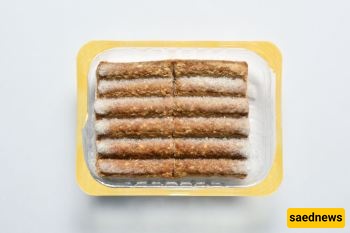
According to Saednews, Koobideh kebab is one of the most popular and widely enjoyed dishes in Iranian cuisine. Sometimes, the amount of cooked kebab exceeds what is needed for one meal, and it may not be possible to consume the leftovers within the next few days. In such situations, freezing cooked koobideh kebab can be an effective way to prevent food waste. When frozen properly, cooked koobideh kebab can be saved for future meals while minimizing concerns about dryness or loss of quality.
To maintain the quality of cooked meat, storing it in a freezer at -18°C (0°F) or below for 2 to 6 months is generally recommended. This is a broad guideline for cooked meat and does not guarantee that koobideh kebab will retain its original flavor and texture throughout the entire six-month period. The shorter the storage time, the better the food quality.
After cooking, kebabs should not be left at room temperature for extended periods. Cooked kebabs should be refrigerated within two hours of cooking. In very hot conditions, above 32°C (90°F), this time is reduced to a maximum of one hour.
To cool the kebabs more quickly, place them in a shallow, uncovered container to allow steam to escape. Once they have cooled initially, cover the container and place it in the refrigerator.
It is best to divide cooked koobideh kebabs into meal-sized portions before freezing. This way, you will not need to remove the entire package from the freezer every time you want to enjoy a serving.
Repeatedly thawing and refreezing kebabs can reduce their quality and increase food safety risks associated with temperature fluctuations. Proper portioning makes freezing and storing cooked koobideh kebab easier and safer.
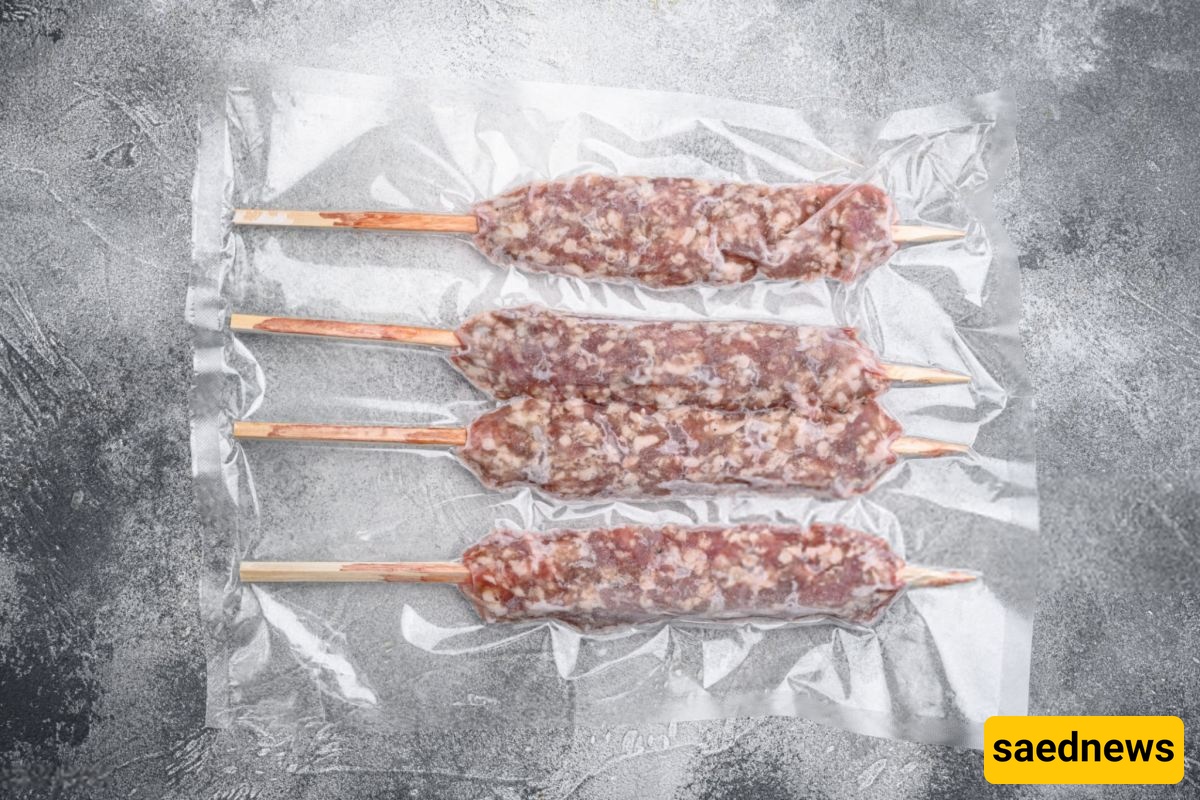
To package cooked koobideh kebabs for freezing, use freezer-safe bags, airtight containers, or aluminum foil combined with a freezer bag.
Remove as much air as possible from the bags, as excess air can cause the kebabs to dry out and develop freezer burn. Secure packaging also prevents the kebabs from absorbing odors from other foods in the freezer.
Write the freezing date and the name of the food on each package. This helps you use older portions first and avoid storing kebabs in the freezer for longer than necessary.
Labeling is one of the simplest yet most effective practices for properly storing cooked koobideh kebabs.
Once packaged, place the kebabs in the freezer as soon as possible. Arrange the packages in a flat position so they freeze more quickly.
Avoid placing large quantities of hot food in the freezer at once, as this can raise the freezer temperature and potentially affect the quality of other stored foods.
If the kebabs have been left at room temperature for more than two hours, it is safer not to freeze them.
In very hot weather, do not freeze kebabs that have been left outside the refrigerator for more than one hour.
Do not refreeze kebabs that have already been thawed and reheated.
Store cooked kebabs separately from raw meat and other uncooked foods.
Always use clean, freezer-safe containers and bags.
If the kebabs develop an unpleasant odor or show signs of spoilage, do not consume them.
The safest way to thaw cooked koobideh kebabs is in the refrigerator. Transfer the package from the freezer to the refrigerator and allow the kebabs to thaw gradually.
Although this method takes longer, it helps preserve food quality and safety. Thawing kebabs at room temperature is not recommended because the outer portions may remain at unsafe temperatures while the inside is still frozen.
If you plan to eat the kebabs immediately, you can also use a microwave with an appropriate defrost setting. In this case, heat the kebabs promptly and do not delay consumption after thawing.
Kebabs thawed in the refrigerator should ideally be consumed within one to two days.
Reheating cooked koobideh kebabs should be done carefully to prevent them from becoming dry. An oven, frying pan, or air fryer are all common reheating options.
To retain moisture, you can lightly sprinkle the kebabs with water or reheat them in a covered pan with a small amount of water. Make sure the kebabs are heated thoroughly and evenly. Ideally, reheat only the portion you intend to eat.
If using a microwave, select medium power and place the kebabs in a microwave-safe covered container. Once thoroughly heated, consume them immediately.
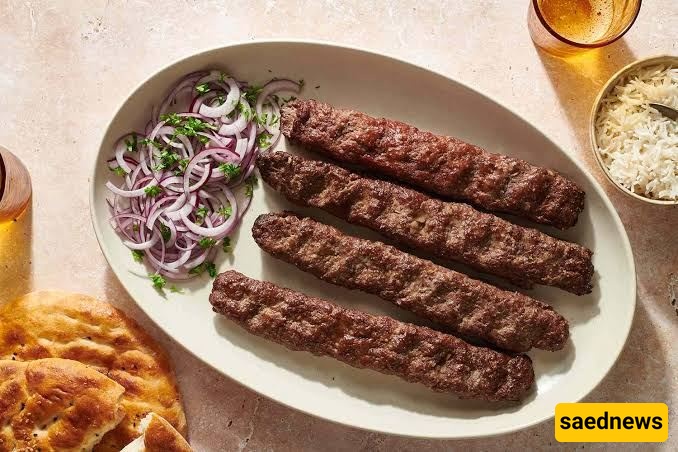
Avoid reheating kebabs multiple times, as repeated heating can reduce their quality and potentially compromise food safety.
Freezing cooked koobideh kebabs is a practical way to reduce food waste and enjoy leftovers at a later time. By cooling them promptly, dividing them into portions, using airtight packaging, and maintaining a freezer temperature of -18°C (0°F) or below, you can preserve their quality for future meals. Although cooked meat can generally be stored frozen for 2 to 6 months, consuming it sooner will provide better flavor and texture.