SAEDNEWS: Nestled in the mountains of Kurdistan, Sabelu Village in Baneh County offers pristine nature, authentic Kurdish culture, and a traditional lifestyle shaped by farming and livestock.
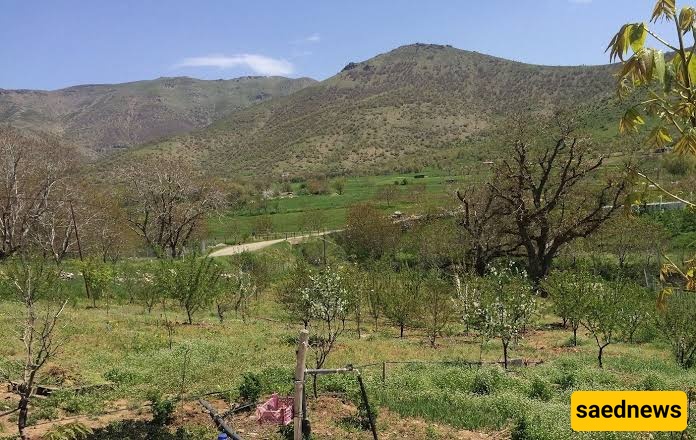
According to Saednews, Kurdistan Province is one of the most pristine and beautiful regions of western Iran. With its lush mountains, oak forests, and rich cultural heritage, it has long attracted nature lovers and cultural researchers. Among the counties of this province, Baneh holds a special place. It is known for its mountainous landscapes, border markets, and scattered villages nestled along the mountain slopes.
Sadbolu Village is one of the villages in Baneh County, situated in the heart of the region's mountainous landscape. It offers a valuable glimpse into traditional rural life in Kurdistan. Although the village is not widely recognized on tourist maps, it has a unique appeal for visitors seeking an authentic experience of mountain life.
This article explores Sadbolu Village in Baneh from different perspectives, including its geographical location, climate, culture, economy, architecture, and the challenges facing its residents.
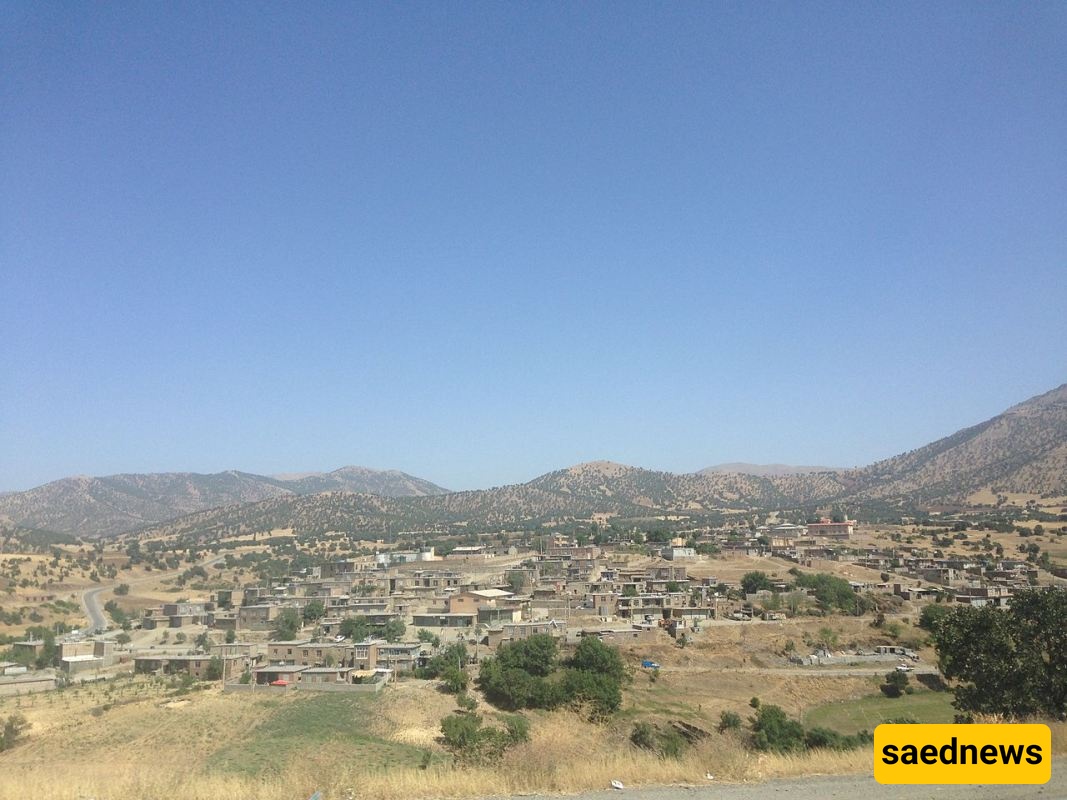
Sadbolu is a village located approximately 5 kilometers northeast of Baneh city. To the west, it is bordered by the slopes of the oak-covered area known as Banar. To the east and northeast lie the forested valleys of Kani Shilan and Chemi Bakhi. The village is also connected to Baneh Dam in the southwest and the Khan Mountain Pass Tunnel, which serves as one of the entrances to Baneh, from the east.
The village is situated near Vazaneh Vali Khan Mountain and the elevated areas of Sardavan and Charan. As a result, strong winds and heavy precipitation are common during winter, bringing extremely cold conditions to the area.
Sadbolu is surrounded by beautiful forests and natural landscapes. Oak shrubs and trees can be found in Banar, Chali Doshavan to the west, and the forests of Kone Gurg and Hevari Khatoayeshi to the north. Other wooded areas northwest of Baneh include Chale Gurg, Kani Totarak, Sotman, and Panavan. To the south of the village are the forests of Baresa Ghazelo.
It is also worth mentioning that several smaller villages are affiliated with this area, including Daruleh, Sar Sonj, Baneh Khoy, Barojeh Kon, Tarkhan Ava, Kani Naw, Balveh, and Gharucha. Residents of these villages often travel to Sadbolu to access healthcare facilities, middle schools, and cooperative organizations.
The villages of Baneh County are organized into different rural districts, with each village connected to district and county centers for administrative services, infrastructure, and public facilities.
Sadbolu is no exception. Its residents rely on nearby service centers to access administrative, healthcare, and educational facilities.
Like other parts of Baneh County, Sadbolu has a mountainous climate that is generally temperate to cold. Winters are typically long, cold, and snowy, while summers are mild and pleasant. This seasonal variation gives the surrounding landscape a distinctive four-season character.
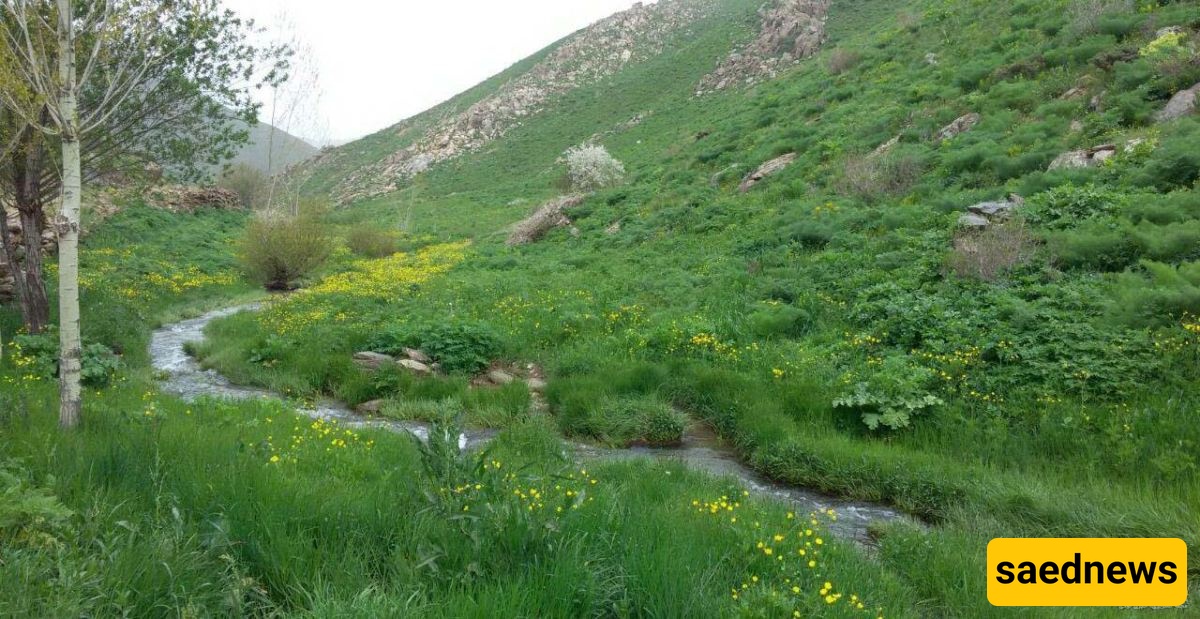
Adequate rainfall and the gradual melting of snow in spring provide water for natural springs, seasonal streams, and agricultural land. As a result, spring is one of the most beautiful seasons in Sadbolu, when mountain slopes turn green and wildflowers bloom across the pastures.
The Baneh region is generally characterized by extensive oak forests. Oak trees, wild pistachio trees, and various pasture plants form an important part of its vegetation.
The grasslands surrounding Sadbolu are also home to medicinal and edible plants that local residents have traditionally collected and used for generations.
In terms of wildlife, the mountains around Baneh provide habitats for various bird species, reptiles, and small mammals. This biodiversity makes the region particularly valuable for nature enthusiasts, hikers, and wildlife observers.
The residents of Sadbolu are Kurdish-speaking, and the Kurdish language plays a central role in their everyday lives, traditions, and oral literature.
Kurdish music, traditional songs, oral storytelling, and local proverbs are important elements of the village's intangible cultural heritage.
Traditional clothing is also preserved during special occasions and celebrations. Kurdish attire, with its vibrant colors and distinctive designs, represents the cultural identity of the region and is especially prominent at weddings and festivals.
Life in Sadbolu is built around family relationships, kinship networks, and mutual support. Traditions such as Koma (collective cooperation) and working together during harvests, house construction, and the maintenance of village roads have long been part of local life.
This strong sense of solidarity has played an important role in helping the community withstand economic and environmental challenges.
Livestock Farming: The Main Source of Livelihood
Livestock farming is one of the most important pillars of Sadbolu's economy. Raising sheep and goats in mountain pastures, producing milk, yogurt, cheese, and traditional butter, and selling livestock provide a significant portion of household income.
Seasonal migration to higher-altitude pastures during spring and summer is another long-standing tradition in the region.
Agriculture and Fruit Growing
Agriculture is generally practiced on limited, sloping mountain farmland, mostly through rain-fed cultivation on a small scale.
Wheat, barley, and legumes are among the most common crops. In some areas, fruit trees such as walnut, mulberry, and apple are also cultivated, providing produce for both household consumption and local markets.
The Influence of Border Trade and Commerce
Baneh County has long been associated with border trade and local markets because of its proximity to the international border.
This commercial activity also indirectly influences the economy of surrounding villages. Alongside farming and livestock raising, many young residents of Sadbolu participate in commercial and service-related activities in Baneh city.
Traditional Handicrafts
Weaving, producing traditional Kurdish clothing, and making other traditional handicrafts are among the home-based activities carried out by rural women.
These products serve household needs and, with appropriate support and investment, could also become a sustainable source of income.
Homes Designed in Harmony with Nature
Like other mountainous villages in Kurdistan, Sadbolu's architecture has developed around locally available materials and adaptation to the climate.
Stone, earth, and wood are commonly used in traditional construction. Thick walls and roofs designed to withstand heavy snowfall help protect homes from the cold while allowing them to blend naturally into the surrounding landscape.
The Spatial Layout of the Village
Villages in this region are generally built in concentrated or semi-concentrated clusters along mountain slopes.
In Sadbolu, houses are positioned according to the terrain, water routes, and accessibility to pastures and natural springs. Narrow, winding alleys are another characteristic feature of the visual identity of these traditional mountain settlements.
Nowruz and Spring Celebrations
Nowruz, the Persian New Year, holds a special place in Kurdish culture.
In Sadbolu, as in other villages throughout the region, Nowruz is celebrated through traditional customs such as house cleaning, preparing local sweets, visiting relatives and friends, and holding community gatherings.
Fire celebrations and group festivities during the Nowruz holidays are among the most beautiful aspects of this occasion.
Weddings and Traditional Music
Wedding ceremonies in Kurdish villages are important communal events that often last several days. They typically feature traditional music, group dancing, and generous hospitality.
These celebrations not only strengthen family and social bonds but also provide an opportunity to pass oral traditions and cultural heritage on to younger generations.
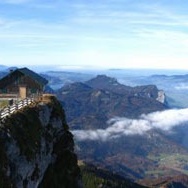
Located in a mountainous setting, Sadbolu offers considerable potential for nature tourism, hiking, and mountain climbing.
Natural springs, springtime pastures, and panoramic views of the surrounding highlands are among the area's main attractions.
Rural tourism is increasingly recognized as an important strategy for sustainable development.
Staying in traditional village homes, learning about the daily lives of local livestock farmers, participating in cultural ceremonies, and tasting traditional Kurdish dishes could make Sadbolu an attractive destination for travelers interested in Kurdish culture and rural experiences.
To develop this potential, improvements are needed in several areas, including road access, traditional accommodation facilities, local tour guides, and more effective promotion through tourism platforms and media.