SAEDNEWS: Storing pizza dough in the refrigerator is one of the most common questions among people who make pizza at home. Many people prepare more dough than they need and are unsure about the best way to store the leftovers while maintaining their freshness and quality.
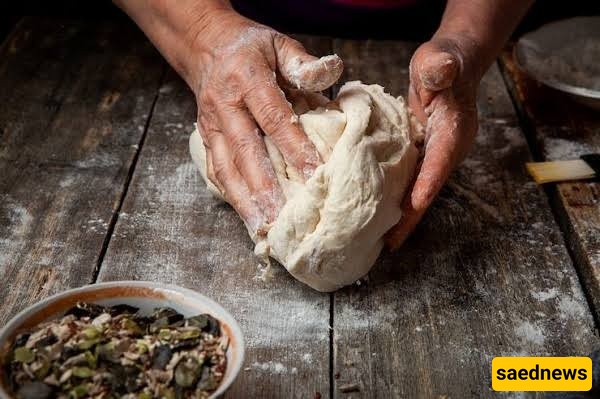
According to Saednews, Many people prepare more pizza dough than they need and are unsure how to store the leftovers properly. There is no single rule for determining the ideal storage time, as it depends on several factors, including the type of dough, ingredients, yeast content, fermentation method, and initial packaging. This guide explains how to store pizza dough in the refrigerator while maintaining its quality and preventing spoilage through proper storage techniques and hygiene practices.
Before discussing how long different types of pizza dough can be stored, it is important to understand a few general storage guidelines.
1. Use a Clean, Airtight Container
The first rule is to store pizza dough in a clean container with a secure lid. Dough should not be left exposed to the refrigerator's air, as this can cause its surface to dry out and absorb odors from other foods. Choose a container large enough to allow the dough to expand during fermentation.
2. Maintain the Right Refrigerator Temperature
The recommended temperature for a household refrigerator is generally around 4°C (39°F). Placing dough in extremely cold areas or directly next to cooling vents may significantly slow down yeast activity. It is also best to store dough on a shelf with a relatively stable temperature, away from raw meat and seafood.
3. Label and Date Your Dough
Labeling the container with the dough type and preparation date makes it easier to monitor storage time. This is particularly useful when storing several different types of dough in the refrigerator.
4. Follow Proper Hygiene Practices
Always ensure that your hands, containers, and work surfaces are clean. Uncooked dough should never come into contact with contaminated surfaces or ingredients.
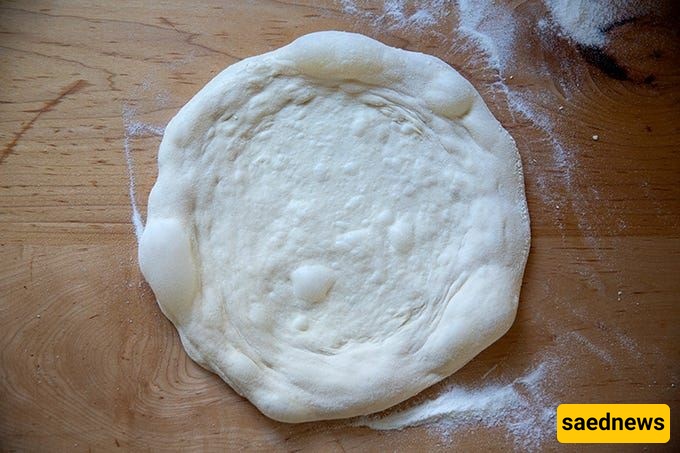
Instant pizza dough made with baking powder has a different structure from yeast-based dough. In this type of dough, baking powder acts as the leavening agent, and its reaction generally begins when it comes into contact with moisture.
Storing this dough in the refrigerator for extended periods can reduce its rising ability and affect its texture. Therefore, it is best to prepare instant dough shortly before baking. If refrigeration is necessary, use an airtight container and keep the storage period short.
Store-bought raw pizza dough usually comes with specific storage instructions printed on its packaging. Always follow the recommended storage temperature, expiration date, and instructions provided after opening.
Storage recommendations for homemade dough should not automatically be applied to packaged dough, as ingredients, packaging methods, and production conditions may differ. Once opened, keep the dough in an airtight container and follow the manufacturer's instructions.
Ready-made and par-baked pizza crusts are not the same as raw pizza dough and require different storage conditions.
Always check the manufacturer's instructions on the packaging. Storage guidelines for uncooked dough do not necessarily apply to prepared or partially baked pizza crusts. Some products can be refrigerated or frozen, but storage decisions should be based on the manufacturer's recommendations.
Dough made with milk, yogurt, or eggs may be more sensitive to spoilage because of its additional perishable ingredients.
The storage period recommended for plain pizza dough should not automatically be applied to these varieties. Follow the specific recipe's storage instructions and recommended consumption time. When in doubt, using the dough sooner is the safer option.
Recognizing spoiled pizza dough is essential for food safety.
The presence of mold in green, black, pink, or white patches is a clear indication that the dough should be discarded. Other warning signs include:
An unusually slimy or sticky surface.
An unpleasant or unusual odor.
Significant discoloration.
Excessive sourness.
Unexpected liquid separation accompanied by other signs of spoilage.
It is worth noting that yeast-based dough may naturally develop a slightly alcoholic or sour smell during extended fermentation. This can be normal and should not automatically be confused with the smell of mold or decay.
However, if the dough shows clear signs of spoilage or you are uncertain about its safety, it is best to discard it rather than use it.

To keep pizza dough in good condition while refrigerated, consider the following practical tips:
Divide the dough into equal portions: This makes preparation easier and helps ensure consistent baking results.
Lightly coat the dough with oil: A small amount of oil helps prevent the surface from drying out.
Choose a stable refrigerator location: Store the container in an area where the temperature remains relatively consistent.
Allow the dough to become flexible before baking: Depending on the recipe, let refrigerated dough sit briefly at room temperature before shaping.
Keep dough away from strong-smelling foods: This helps prevent unwanted odors from affecting its flavor.
These simple practices can make a noticeable difference in the texture, freshness, and overall quality of your homemade pizza.
Proper pizza dough storage depends on its ingredients, preparation method, and packaging. Using airtight containers, maintaining a consistent refrigerator temperature, following hygiene practices, and checking for signs of spoilage can help preserve dough quality and reduce food waste. Always prioritize the storage instructions specific to your dough rather than relying on a universal storage timeframe.