SAEDNEWS: Choosing the right pot size according to the number of people is essential for better cooking results, energy efficiency, and a more convenient cooking experience. This guide explores how to select the ideal pot size for your household.
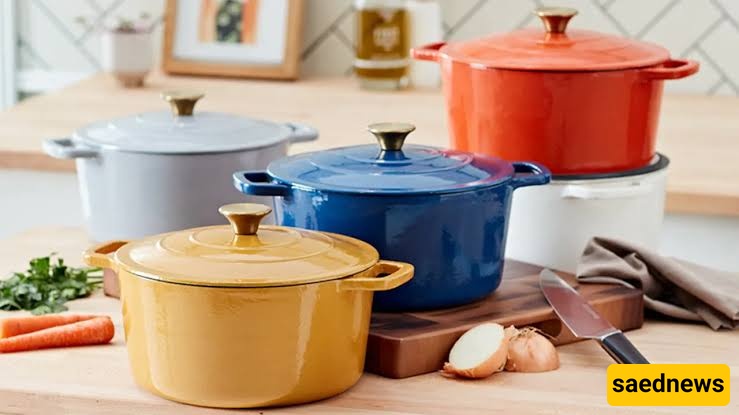
According to Saednews, Choosing the right pot size is one of the most important decisions when equipping a kitchen, although many people consider it a simple matter. In reality, selecting cookware based on the number of people in your household affects not only cooking quality but also energy consumption, ease of cleaning, storage space, and even cooking safety.
A pot that is too small can cause food to overflow, cook unevenly, and make a mess on the stovetop. On the other hand, an excessively large pot takes up valuable kitchen space and may sometimes cause faster evaporation or improper cooking. Therefore, understanding pot capacity, diameter, and how these measurements relate to household size is essential.
This article provides a comprehensive guide to choosing the right pot size based on the number of people you cook for. First, we will explain pot capacity and diameter, followed by a recommended pot-size chart for different household sizes. We will also discuss how food type, cookware material, and other purchasing considerations influence your choice.
The goal is to help you make a more informed decision and find the right pots for your kitchen.
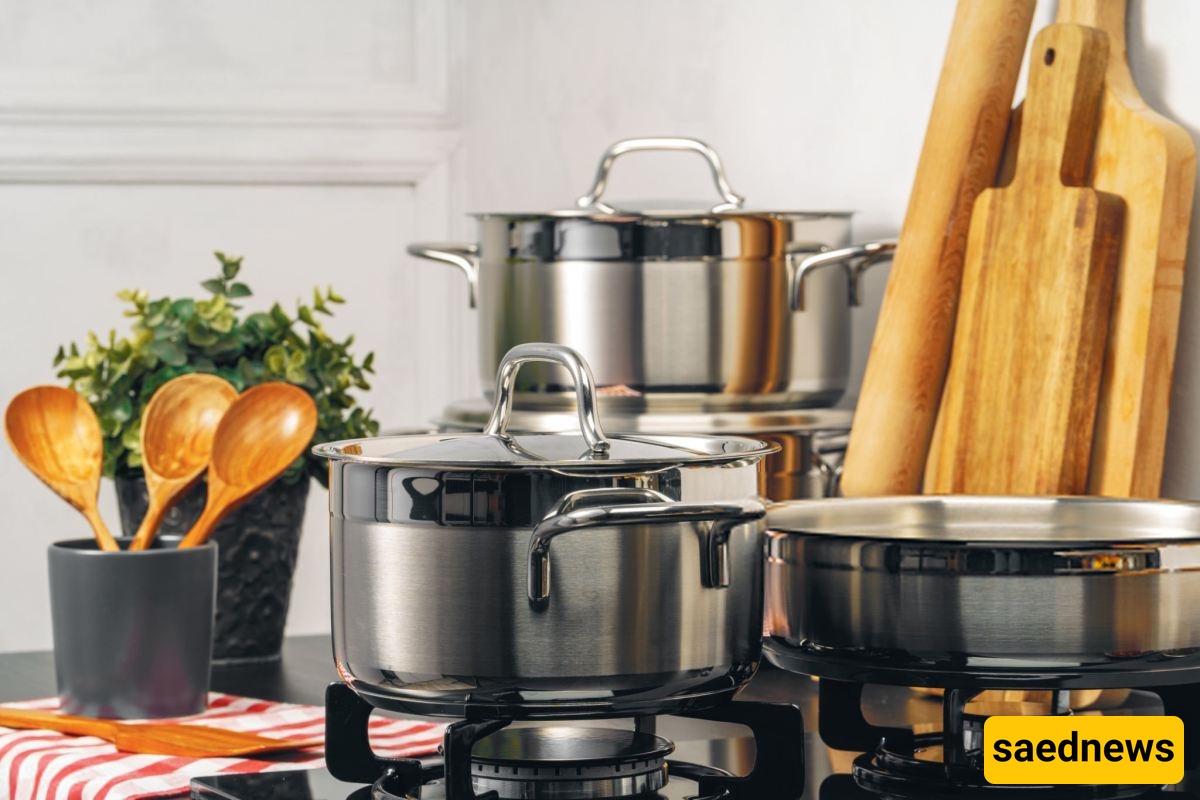
Pot size is more than just a number. It involves a combination of capacity, diameter, height, and intended use. Choosing a pot that is smaller than your cooking needs can create problems when preparing dishes such as rice, stews, or soup.
Food may overflow, heat may not distribute properly, or you may need to stir constantly. Conversely, using an oversized pot for a small number of people creates unnecessary empty space. Food may spread into a thin layer, causing it to burn or dry out more quickly.
The right pot size can also help reduce gas or electricity consumption. When the pot's diameter matches the stovetop burner, heat is transferred more efficiently. Cleaning is also easier when the pot is appropriately sized for the amount of food being prepared.
In small kitchens, keeping a few pots in practical sizes is often better than purchasing one extremely large pot or several very small ones.
Pot capacity is usually measured in liters. For example, you may find pots with capacities of 3, 5, or 8 liters. This measurement represents the total internal volume of the pot. However, it is important not to fill a pot all the way to the rim.
For most dishes, approximately 20–30% of the pot should remain empty to allow room for boiling, stirring, and preventing spills. This means the usable capacity is lower than the stated capacity.
Pot diameter is equally important. Two pots with the same capacity may have different diameters and heights.
Wide, shallow pots are better suited to stews, frying, and dishes that require liquid reduction.
Deeper pots are more suitable for rice, soup, traditional broth-based dishes, and cooking large quantities of food.
Therefore, when purchasing cookware, do not focus exclusively on the number of liters. Consider the pot's diameter and height as well.
The following chart provides general recommendations for choosing pot sizes based on household size. These measurements are approximate and may vary depending on the type of food, appetite, and family cooking habits.
Number of People | Recommended Capacity | Approximate Diameter | Best Uses |
|---|---|---|---|
1–2 people | 1.5–2.5 liters | 16–18 cm | Small portions of soup, rice, quick meals |
2–3 people | 2.5–3.5 liters | 18–20 cm | Everyday rice, stews, pasta |
3–4 people | 3.5–5 liters | 20–24 cm | Family meals, stews, soup |
4–6 people | 5–7 liters | 24–28 cm | Medium-sized meals, small gatherings |
6–10 people | 7–10 liters | 28–32 cm | Large meals, broth-based dishes, entertaining |
More than 10 people | 10–15 liters or larger | 32–40 cm | Large gatherings and bulk cooking |
Use this chart as a starting point rather than a strict rule. If you frequently prepare liquid-based dishes or prefer having leftovers, consider choosing one size larger. If you have limited kitchen space and usually cook smaller portions, a medium-sized pot may be sufficient.
For one or two people, a pot with a capacity of 1.5–2.5 liters is generally sufficient. This size works well for small portions of rice, soup, porridge, sauces, and quick meals. A diameter of 16–18 cm is usually practical.
However, if you prefer preparing enough food for two meals or frequently cook larger portions of soup and other liquid-based dishes, a 3-liter pot may be a better option.
People living alone or in smaller households should avoid buying excessively large pots. In an oversized pot, food spreads into a thin layer and may dry out more quickly. Larger cookware is also more difficult to clean and store.
The ideal pot for two people should provide enough room for food to boil comfortably while maintaining energy efficiency.
For families of three or four, a pot with a capacity of 3.5–5 liters is one of the most versatile options. It provides enough room to prepare family-sized portions of rice, stews, pasta, soup, and many everyday meals. A diameter of 20–24 cm is generally suitable.
If you frequently cook liquid-based meals or occasionally host small gatherings, a 5-liter pot offers greater flexibility.
On the other hand, if your kitchen is small and you usually prepare modest portions, a 3.5- or 4-liter pot may be a more balanced choice.
Choosing a pot for a family of four should not depend on household size alone. The types of meals you prepare and whether you want leftovers are equally important.
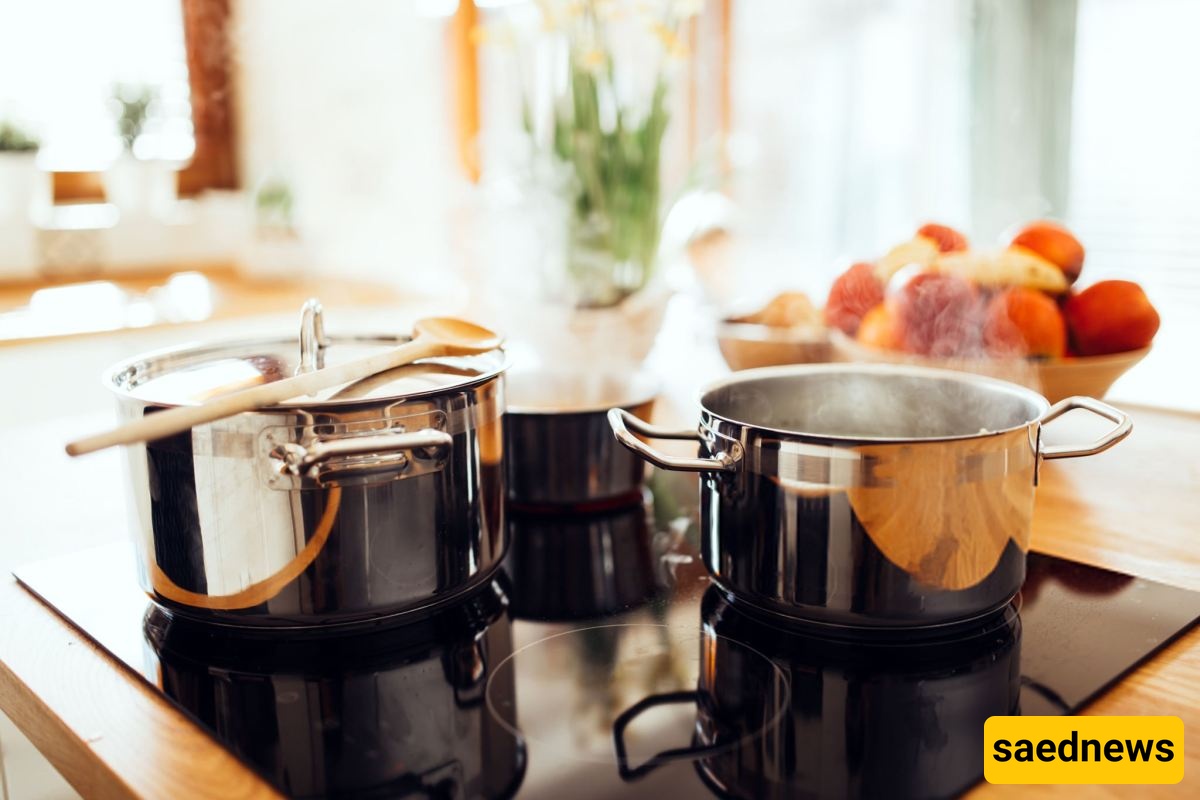
Families with five or six members should consider pots with capacities ranging from 5 to 7 liters. This size is suitable for preparing rice, stews, traditional soups, and other meals that require more cooking space.
A diameter of 24–28 cm generally works well for this household size. It provides sufficient room for stirring and allows food to simmer without overflowing.
If you also cook for small gatherings, a 7-liter pot may be the more practical choice.
However, keep in mind that an oversized pot may not distribute heat efficiently on a small burner. Always check that the pot's diameter is compatible with your stovetop.
For households or gatherings involving seven to ten people, a 7–10-liter pot is generally recommended.
This capacity is useful for preparing large quantities of rice, stews, hearty soups, and other dishes commonly served at family gatherings. A diameter of 28–32 cm is typical for this category.
At this size, the material and thickness of the pot become particularly important because even heat distribution is essential when cooking large quantities.
If you regularly cook for more than ten people, consider purchasing a larger pot or using several medium-sized pots. In many kitchens, multiple medium-sized pots are more practical than one extremely large pot that may not fit comfortably on the stovetop.
For gatherings involving more than ten people, pots with capacities of 10–15 liters or larger are recommended.
These pots are commonly used for entertaining, bulk cooking, large batches of soup, porridge, and traditional broth-based dishes. Diameters in this category generally range from 32 to 40 cm or more.
Before purchasing an extra-large pot, consider your stovetop dimensions, available kitchen space, and cleaning facilities.
Very large pots can become extremely heavy, especially when filled with food. For this reason, sturdy handles, a thick base, and a well-fitting lid are particularly important.
You should also check whether the pot is compatible with your cooking appliance, especially if you use an induction cooktop.
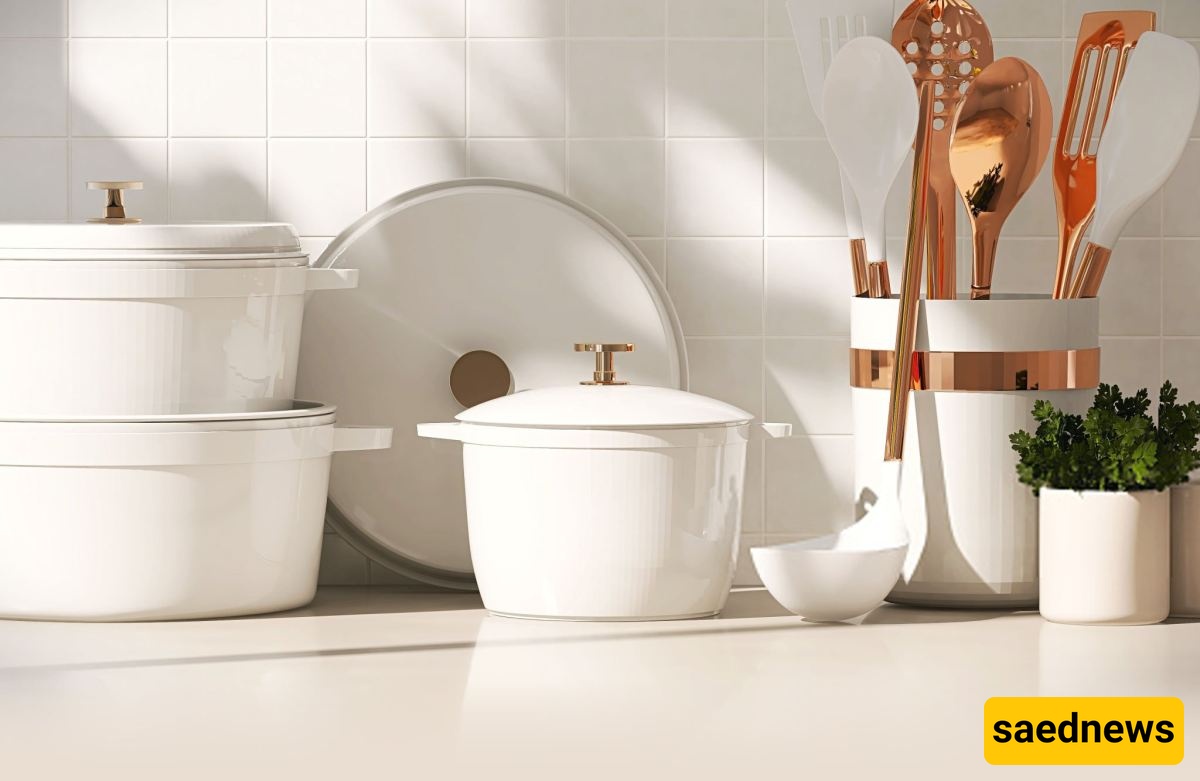
The type of food you prepare is one of the most important factors when selecting a pot. In some cases, it matters even more than the number of people in your household.
Two families of four may require completely different cookware sizes because one primarily prepares rice and stews, while the other frequently cooks soup and large quantities of liquid-based meals.
For dishes that require liquid reduction, such as meat stews, curry-style dishes, and fried foods, a wider, shallower pot is generally preferable. Its larger cooking surface allows more food to come into contact with the base and helps moisture evaporate more efficiently.
Two pots with identical capacities but different diameters can produce different cooking results. A wider pot is often more suitable for stews and dishes that require liquid reduction.
For foods that require slow cooking or involve large quantities of liquid, such as rice, soup, hearty stews, and porridge, a deeper pot is usually more practical. Its additional depth provides room for simmering and helps reduce the risk of overflowing.
For small, quick recipes such as sauces, custards, rice pudding, or boiled eggs, a compact pot with a capacity of 1–1.5 liters is often the best choice. Using an oversized pot for these dishes may increase the risk of burning or sticking.
A simple rule to remember:
If you frequently prepare stews and dishes that require liquid reduction, choose a wider pot.
If you mostly cook rice, soup, and large-volume meals, choose a deeper pot.
The material of a pot influences its weight, handling, and suitability for different sizes.
Stainless steel pots can be relatively heavy, particularly in larger sizes. Lifting a full 10-liter stainless steel pot may be difficult, so purchasing two 5-liter pots could be a more practical alternative.
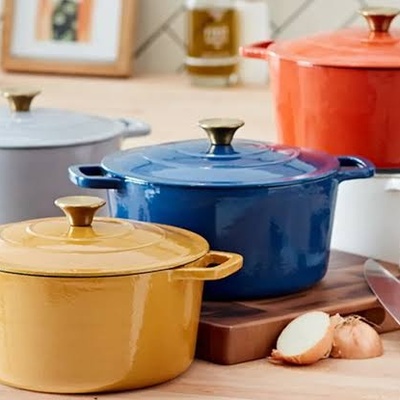
Cast iron and ceramic cookware can also be heavy, making very large sizes less convenient for everyday use.
Aluminum and nonstick pots are generally lighter, which makes larger sizes easier to handle. However, you should pay attention to the thickness of the base and the quality of the coating.
If you use an induction cooktop, always check that the pot has an induction-compatible base. This is particularly important for larger pots because an unsuitable base can lead to uneven heating.
The lid is another important consideration. A poorly fitting lid allows moisture to escape more quickly, reducing cooking efficiency and potentially affecting the final result.
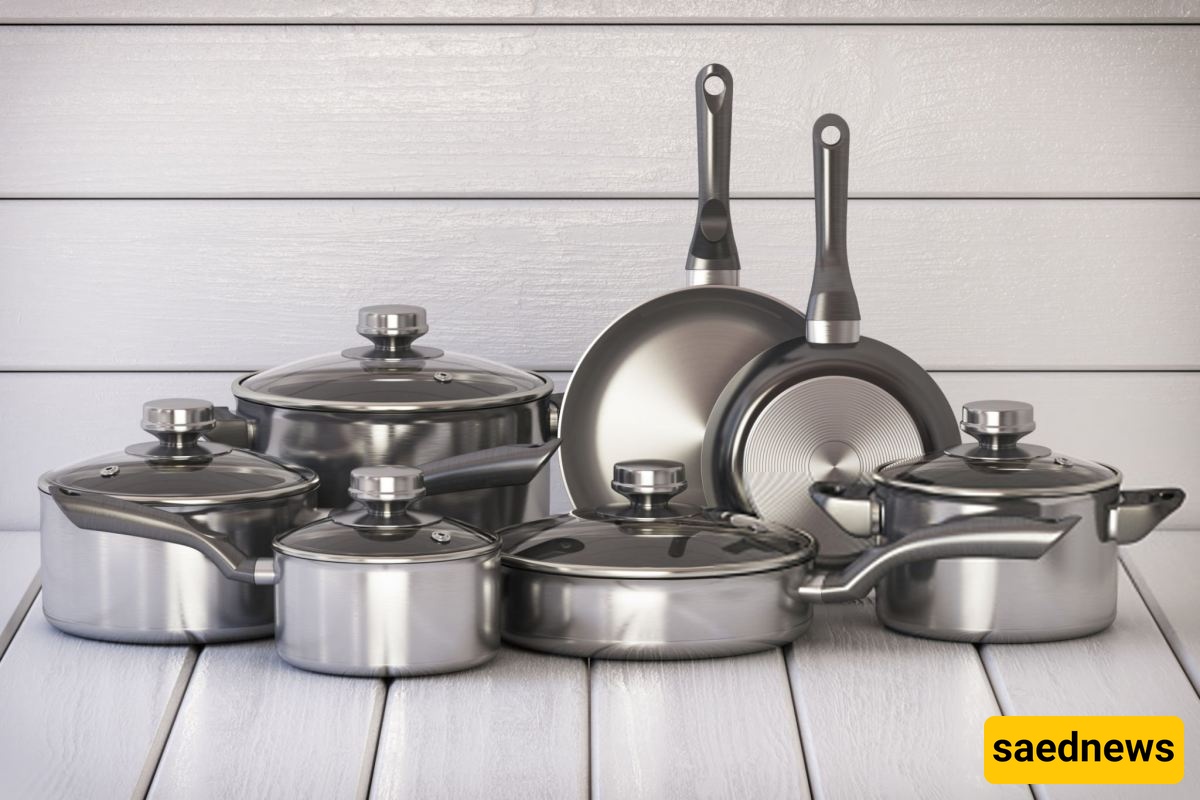
In most households, a single pot cannot meet every cooking requirement.
For a family of four, the following three-pot combination is a practical choice:
Pot Size | Recommended Capacity | Main Uses |
|---|---|---|
Small | 1.5–2 liters | Sauces, custards, quick meals, boiled eggs |
Medium | 3–4 liters | Everyday rice, pasta, smaller portions of stew |
Large | 6–8 liters | Soup, large stews, rice for gatherings, family meals |
This combination covers most everyday cooking needs.
For smaller households, two pots with capacities of 2 and 4 liters may be sufficient. Larger families may benefit from adding a 10-liter pot for gatherings and special occasions.
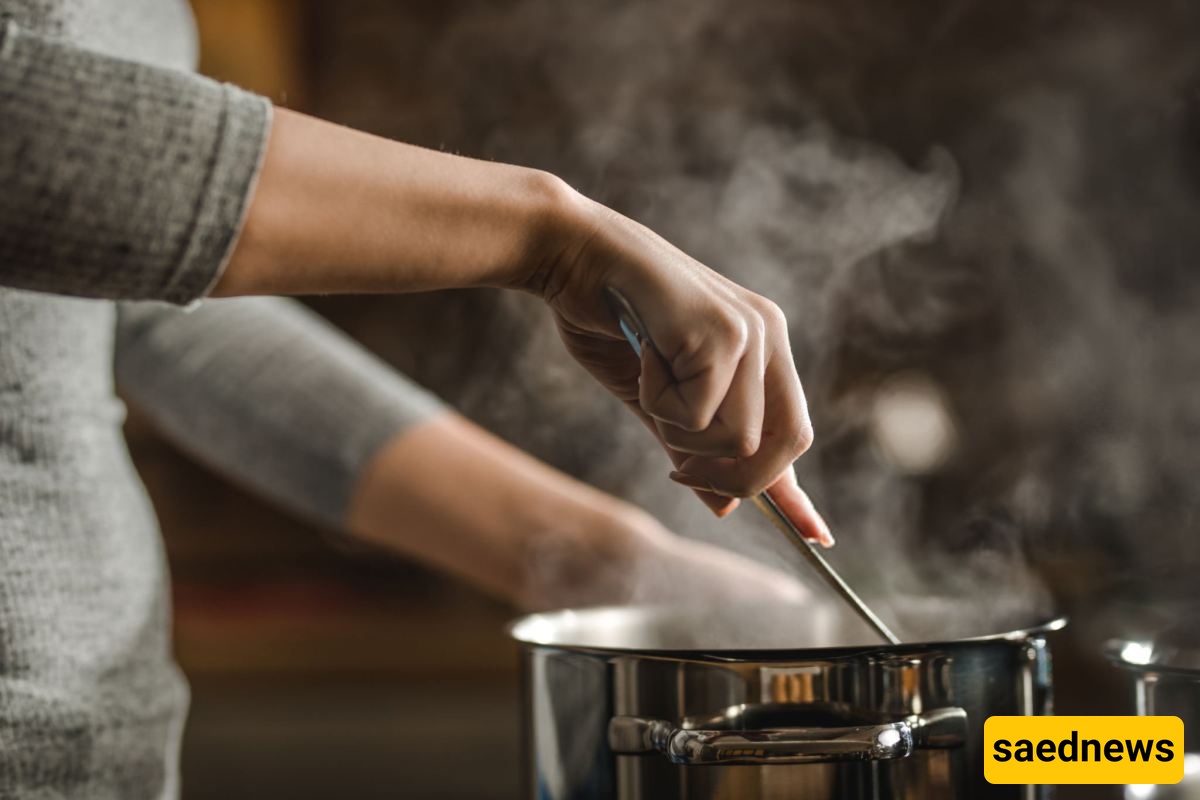
Before purchasing cookware, keep the following points in mind:
1. Match the pot's base diameter to your burner. A pot with a base much larger than the burner may waste heat, while one that is significantly smaller may cause the handles and sides to become excessively hot.
2. Leave enough room for boiling. Never rely on the full stated capacity. Keep approximately 20–30% of the pot empty to prevent spills.
3. Consider the weight. A large pot becomes considerably heavier when filled with food. If lifting it is difficult, two medium-sized pots may be a better option than one large pot.
4. Choose sturdy, heat-resistant handles. This is especially important for larger pots that become heavy during cooking.
5. Check your available storage space. Oversized pots may not fit inside smaller kitchen cabinets and could end up taking up permanent space on your stovetop.
6. Consider cleaning convenience. Large pots can be difficult to wash in small kitchen sinks.
7. Look for a well-fitting lid. A suitable lid helps retain moisture and makes low-temperature cooking more efficient.
One of the most common mistakes is purchasing an extremely large pot with the intention of using it for every type of cooking. Such a pot is not suitable for preparing small portions for one or two people because food spreads into a thin layer, may burn more easily, and becomes harder to clean.
Another common mistake is buying a pot that is too small simply to save kitchen space. In practice, this can lead to overflowing, uneven cooking, and the need to prepare food in multiple batches.
A third mistake is overlooking diameter and focusing only on capacity. Two 5-liter pots may have completely different shapes, with one being wide and the other deep. Each is better suited to different cooking methods.
Finally, ignoring the base material and compatibility with your stovetop can create unnecessary expenses and inconvenience later.
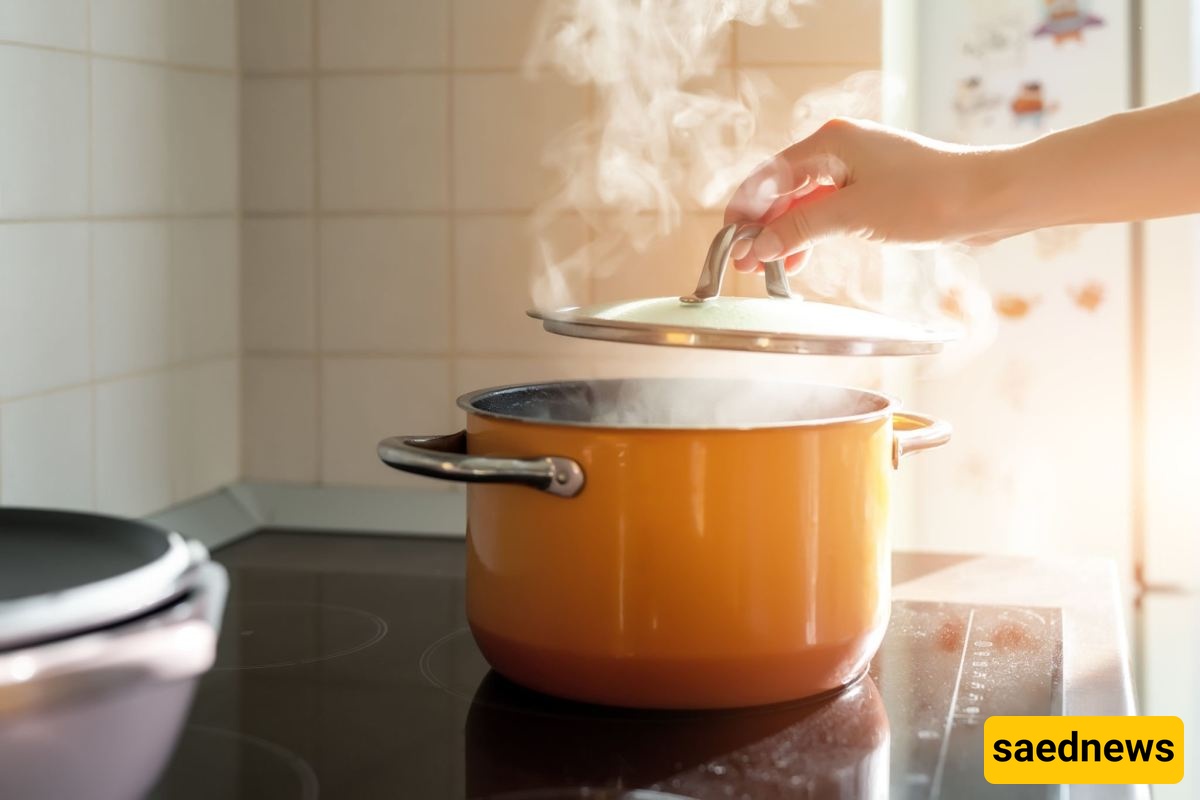
Choosing the right pot size depends on more than the number of people you cook for. Household size, food type, cooking habits, available kitchen space, and cookware material all influence the best choice.
For one or two people, a 1.5–2.5-liter pot is usually sufficient. Families of three or four can benefit from a 3.5–5-liter pot, while households of five or six may prefer a 5–7-liter option. For larger families and gatherings, capacities of 7–15 liters or more may be necessary.
Ultimately, the best cookware collection is not necessarily the largest one. It is the collection that matches your everyday cooking needs, makes meal preparation easier, and provides the right balance between capacity, convenience, and efficiency.