SAEDNEWS: Cardamom, an aromatic spice with a special place in traditional medicine, may help promote nervous system relaxation, reduce stress, and improve sleep. This article explores the potential benefits of cardamom for the nervous system, taking a balanced approach based on available scientific evidence.

According to Saednews, Cardamom is one of the most aromatic and widely used spices in Iranian cuisine and many Eastern cultures. These small, fragrant seeds are valued not only for adding flavor to food and tea but also for their important role in traditional medicine. One topic frequently discussed is the potential benefits of cardamom for nerve health. Many people believe that moderate consumption of cardamom may help calm the nervous system, reduce stress, and improve sleep quality. But are these beliefs scientifically supported, and how does cardamom affect the nervous system?
In this article, we explore the potential benefits of cardamom for nerve health from a balanced perspective. We discuss its traditional uses alongside available scientific findings, while acknowledging the limitations of current research. We also cover different ways to consume cardamom, safety considerations, and important precautions. The goal is to provide a realistic understanding of cardamom's potential role in supporting neurological health without overconsumption or relying on it as a substitute for medical treatment.
Cardamom is a plant belonging to the ginger family (Zingiberaceae). Its seeds are found inside small green or brown pods. Cardamom contains several aromatic compounds, including cineole, alpha-terpineol, linalool, and various antioxidant compounds. These substances give cardamom its distinctive aroma and flavor and have attracted scientific interest because of their potential health benefits.
The nervous system is a complex network of nerve cells responsible for controlling thoughts, emotions, movements, and the body's responses to its environment. Several factors, including chronic stress, insufficient sleep, poor nutrition, inflammation, and oxidative stress, can negatively affect nervous system function.
For this reason, foods containing antioxidants and anti-inflammatory compounds may play a supportive role in maintaining neurological health. Cardamom has attracted attention in this area because of its antioxidant and potentially anti-inflammatory properties.
However, it is important to emphasize that cardamom's benefits for nerve health are considered supportive and complementary rather than therapeutic. No spice can independently cure neurological diseases or mental health disorders.
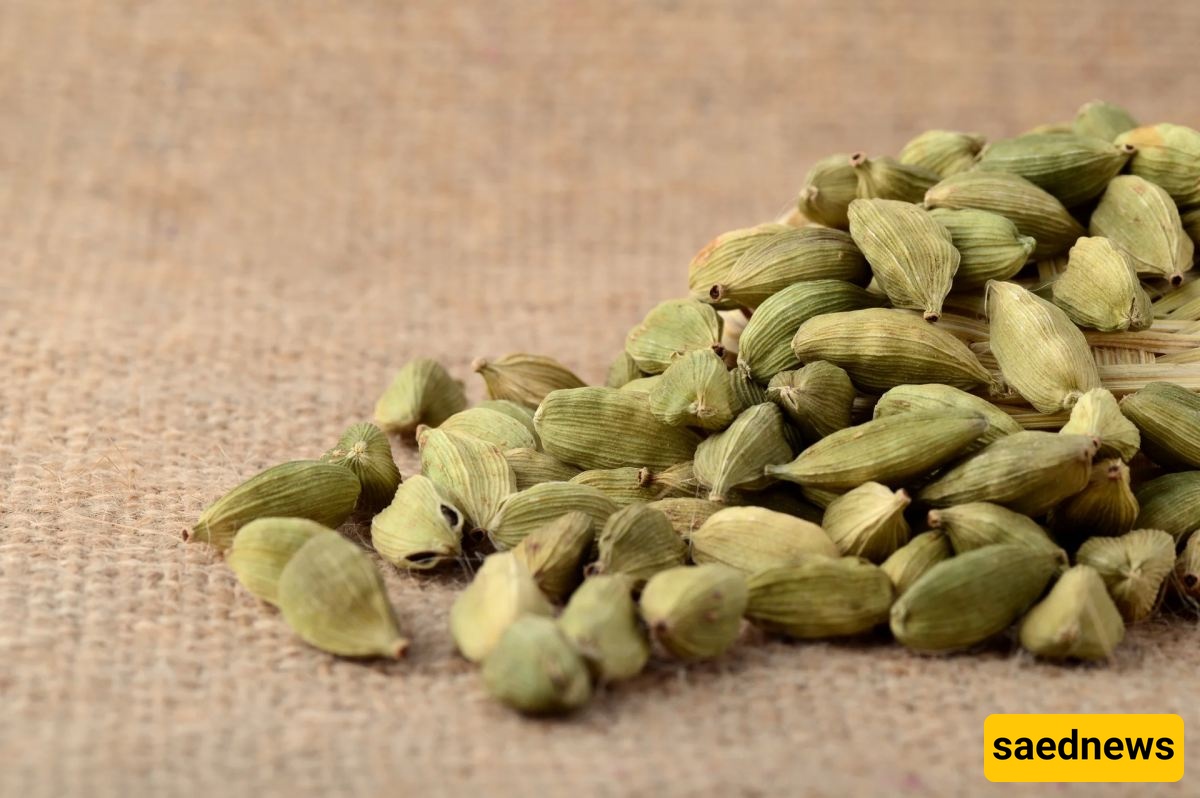
Cardamom contains various compounds, some of which have demonstrated potential neuroprotective effects in laboratory and animal studies. The most notable include:
Antioxidant compounds: Cardamom contains substances that may help neutralize free radicals. Free radicals are unstable molecules that can damage cells, including nerve cells. Reducing oxidative stress is one way to support neurological health.
Anti-inflammatory compounds: Chronic inflammation may be associated with neurological and psychological conditions such as depression and anxiety. Some compounds found in cardamom have demonstrated anti-inflammatory effects in preliminary studies.
Minerals: Cardamom contains small amounts of potassium, magnesium, and calcium. These minerals play important roles in nerve signaling and muscle contraction. However, their quantities in typical servings of cardamom are relatively limited.
Vitamins: Cardamom contains small amounts of certain vitamins, including vitamin C, which acts as an antioxidant.
It is important to note that many of these findings come from laboratory or animal studies and cannot automatically be applied to humans. Therefore, claims about cardamom's benefits for nerve health should be approached with caution.
In traditional medicine, cardamom is considered a warming spice that may help strengthen and calm the nervous system. Many people drink cardamom tea to promote relaxation and relieve everyday tension.
Its warm, pleasant aroma may create a positive psychological experience, which is why cardamom is often included in relaxing herbal tea blends.
From a scientific perspective, some animal studies suggest that cardamom extract may have anxiety-reducing effects. However, there is currently insufficient human evidence to confirm these benefits.
Therefore, cardamom's potential role in stress relief should be viewed as a complementary benefit based on traditional use and preliminary research rather than an established treatment.
Adequate sleep is essential for maintaining a healthy nervous system. Chronic sleep deprivation can negatively affect concentration, memory, and mood.
Because of its pleasant aroma and warm flavor, cardamom is traditionally used in some herbal preparations intended to promote better sleep. Drinking a cup of cardamom tea with a little honey in the evening may help create a relaxing bedtime routine.
However, cardamom's potential effect on sleep is likely indirect and associated with relaxation rather than a proven sleep-promoting effect. If you experience chronic insomnia, you should consult a healthcare professional.

Oxidative stress is considered one of the factors involved in cellular aging and nerve cell damage. The antioxidants found in cardamom may help neutralize free radicals and reduce oxidative damage.
Laboratory studies have investigated this potential effect and suggest that cardamom extracts may provide some protection against oxidative stress.
Nevertheless, consuming ordinary amounts of cardamom in food or tea cannot meet all the body's antioxidant needs. Maintaining neurological health requires a balanced diet rich in fruits, vegetables, and other nutrient-dense foods.
In traditional medicine, cardamom is sometimes used to relieve fatigue and promote energy. Some people report feeling more refreshed and less mentally sluggish after drinking cardamom tea.
This effect may partly result from its pleasant aroma and the positive sensory experience associated with drinking a warm beverage. Cardamom is also commonly added to tea and other hot drinks for its distinctive flavor and mild stimulating appeal.
However, cardamom should not be expected to replace professional treatment for depression or other mood disorders. Its potential benefits for mental well-being should be considered part of a broader healthy lifestyle.
Mental fatigue can result from excessive workloads, insufficient sleep, or ongoing stress. Traditional uses suggest that cardamom may serve as a mild natural aid for alertness and concentration.
Its aromatic compounds may stimulate the sense of smell, potentially creating a feeling of alertness and reducing perceived fatigue.
However, these effects are largely anecdotal and psychological, with insufficient clinical evidence to establish a direct cognitive benefit. Adequate sleep, proper nutrition, and effective stress management remain much more important for improving concentration.
Chronic inflammation can contribute to nerve cell damage and has been associated with neurological conditions such as Alzheimer's and Parkinson's disease.
Some laboratory studies suggest that compounds in cardamom may help regulate inflammatory pathways. Although these findings are promising, further human research is necessary before any clinical recommendations can be made.
Cardamom is traditionally used to support digestion. Since digestive health and neurological well-being are connected through the gut-brain axis, better digestive comfort may indirectly influence mood and general well-being.
By potentially helping relieve bloating and supporting digestion, cardamom may contribute to an overall feeling of physical comfort and relaxation.
To enjoy the potential benefits of cardamom, you can incorporate it into your daily routine in simple ways:
Cardamom Tea: Lightly crush a few cardamom pods and steep them in hot water. You can add a little honey or combine cardamom with green tea.
Ground Cardamom: Add a small amount of ground cardamom to warm beverages or light meals.
Combining Cardamom with Other Herbs: Cardamom can be combined with lemon balm, chamomile, or lavender to prepare relaxing herbal tea blends.
Cardamom Essential Oil: Inhaling the aroma of cardamom or using appropriately diluted essential oil in a diffuser may create a relaxing atmosphere. However, ingesting cardamom essential oil is not recommended without professional guidance.
Although cardamom may offer potential health benefits, it should be consumed in moderation. Excessive consumption may cause stomach irritation, digestive discomfort, or allergic reactions in sensitive individuals.
Keep the following precautions in mind:
Pregnancy and Breastfeeding: Moderate amounts of cardamom used in food are generally considered safe. However, high doses or concentrated supplements should only be used with medical advice.
Children: Cardamom consumption in children should be moderate and appropriate for their age.
Medication Interactions: Cardamom may potentially interact with certain medications, including blood-thinning drugs and medications that affect blood sugar. If you take medication regularly, consult your healthcare provider before consuming large amounts of cardamom or concentrated supplements.
Allergies: People with sensitivities or allergies to plants in the ginger family should exercise caution.
Most importantly, cardamom's potential benefits for nerve health should never be considered a replacement for medical treatment for neurological or psychological conditions such as depression, severe anxiety, chronic insomnia, or serious neurological diseases. If symptoms persist, seek professional medical advice.
Cardamom is a fragrant and versatile spice with a long history of use in traditional medicine. Its potential benefits for nerve health include promoting relaxation, helping manage everyday stress, supporting sleep routines, providing antioxidant compounds, and offering possible anti-inflammatory effects.
However, scientific evidence supporting these benefits remains limited, with most findings coming from laboratory and animal studies rather than large-scale human clinical trials.
For this reason, cardamom is best viewed as a complementary dietary ingredient rather than a proven treatment for nervous system disorders. Enjoying it in moderation as part of a balanced diet and healthy lifestyle is a sensible way to make the most of its flavor and potential benefits.