SAEDNEWS: Iran has unveiled a homegrown “Angara” vaccine developed by the Avicenna Research Institute, alongside a gene-therapy and virotherapy project targeting hard-to-treat cancers. The two initiatives were presented during a ceremony attended by President Masoud Pezeshkian and senior science and health officials.
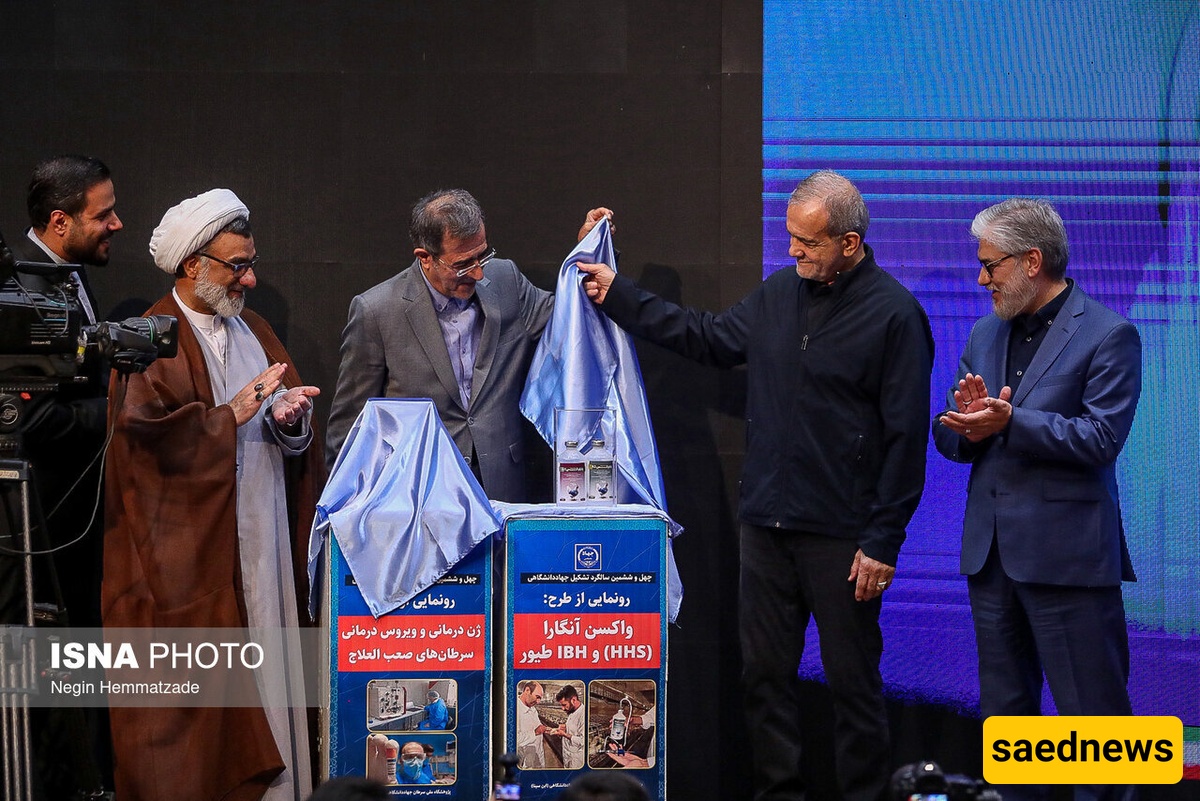
According to SaedNews: Two very different medical challenges—protecting poultry from disease and developing new approaches for difficult-to-treat cancers—were brought together at a major Iranian science and technology ceremony, where researchers presented two homegrown projects in biotechnology and medicine.
The projects, unveiled during a ceremony marking the 46th anniversary of Jihad University and National Journalist Day at the University of Science and Culture, included the domestically developed “Angara” vaccine and a research initiative focused on gene therapy and virotherapy for hard-to-treat cancers.
The event brought together senior figures from Iran’s political, scientific and healthcare sectors, giving the two projects a high-profile platform. President Masoud Pezeshkian attended the ceremony alongside Minister of Science, Research and Technology Hossein Simaei-Sarraf, Minister of Health, Treatment and Medical Education Mohammad-Reza Zafarghandi, Jihad University President Ali Montazeri, and Secretary of the Supreme Council of the Cultural Revolution Abdolhossein Khosropanah.
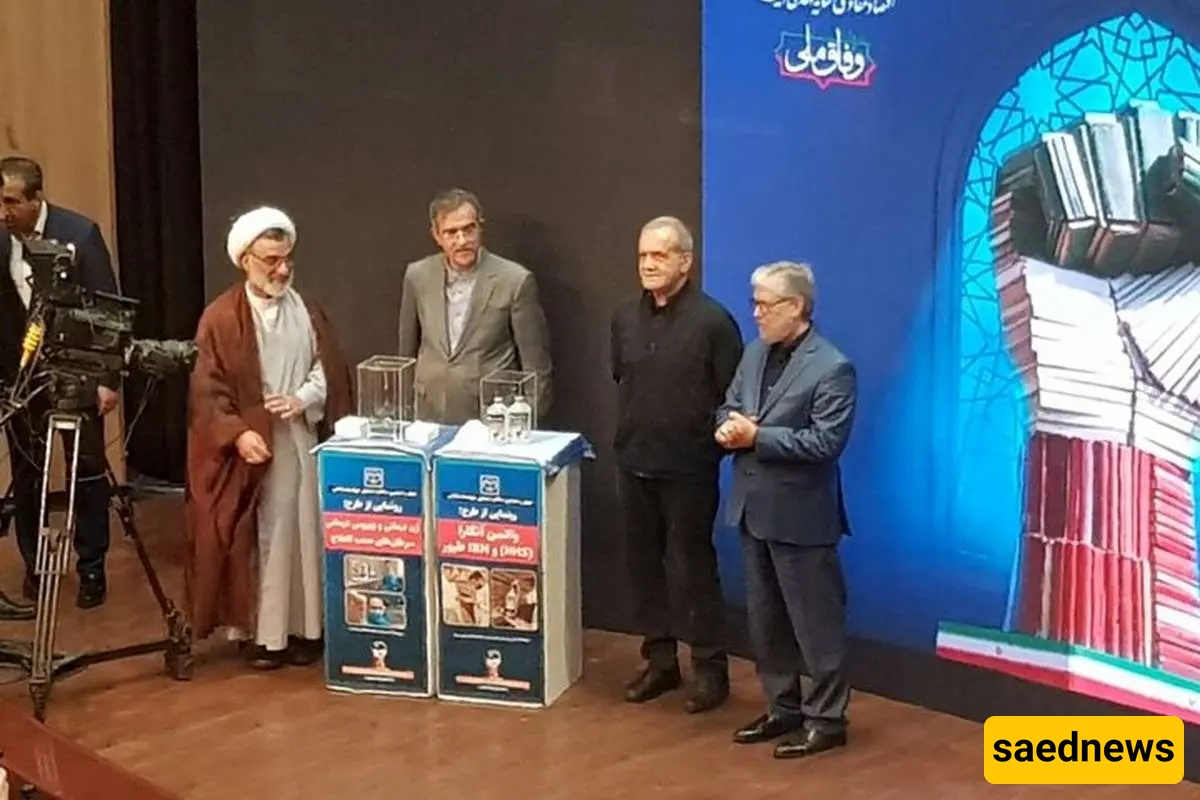
Among the developments showcased, the “Angara” vaccine represents an effort to address poultry diseases through a more domestically tailored approach.
Developed at the Avicenna Research Institute, the vaccine is designed to use strains circulating within Iran. According to the information presented at the ceremony, the goal is to improve the effectiveness of vaccination by taking domestic circulating strains into account.
That detail is particularly important to the project’s stated purpose. Rather than presenting vaccination as a one-size-fits-all solution, the initiative focuses on the conditions and disease strains encountered within the country. The development therefore reflects a broader effort to strengthen locally produced biotechnology capabilities in an area with direct relevance to animal health and poultry production.
But the second project unveiled at the ceremony shifts the focus from infectious diseases in poultry to one of the most difficult challenges in human medicine: cancer.
Researchers at the Motamed National Cancer Institute of Jihad University unveiled a project centered on gene therapy and virotherapy for hard-to-treat cancers. The initiative is being pursued using the research capacity and technical expertise of domestic specialists working in the field of emerging cancer treatments.
Gene therapy and virotherapy belong to a broader area of modern cancer research that seeks alternatives and complementary approaches to conventional treatment. In the project presented at the ceremony, however, the available information emphasizes the research and technological effort behind the initiative rather than announcing a completed treatment or confirmed clinical outcome.
That distinction matters. The unveiling signals the development of a research project and domestic technical capacity; it does not, based on the information provided, establish that the approach has already become a broadly available cancer treatment.
The significance of the event therefore lies not only in the individual projects, but also in what their presentation represents for Iran’s domestic biotechnology strategy. One project addresses disease prevention in poultry, while the other explores advanced therapeutic technologies for difficult cancers. Together, they illustrate the range of areas in which Jihad University is seeking to translate scientific research into technologies and products relevant to national needs.
The ceremony also placed these achievements in the context of a wider effort to strengthen homegrown science and technology. The stated objective is to move beyond research findings alone and turn scientific capabilities into products and services that can serve the country’s health and biotechnology sectors.
The presence of the president and senior officials from science, health and cultural institutions gave the unveiling additional visibility. It also underscored the importance being placed on domestic research capacity in fields where scientific expertise can have practical applications.
For the poultry sector, the “Angara” vaccine reflects an attempt to develop vaccination technology around strains circulating domestically. For cancer research, the gene-therapy and virotherapy initiative represents an investment in newer treatment technologies for diseases that remain particularly challenging to manage.
Neither project should be viewed in isolation. Their unveiling highlights a larger question facing medical and biotechnology research: how can laboratory knowledge and specialist expertise be converted into usable technologies that respond to real needs?
That transition—from research capability to practical application—is ultimately where the impact of such projects will be measured. The ceremony has now placed these two initiatives in the spotlight; their future development will determine how far the technologies can move from research settings toward concrete products, services or treatments.
For now, the unveiling itself marks another public presentation of Iran’s effort to build domestic capabilities in biotechnology and advanced medicine. It also opens the door to wider discussion about the role of locally developed technologies in addressing health challenges, from animal disease prevention to some of the most difficult forms of cancer.