SAEDNEWS: Night pain, poor sleep, and morning stiffness are common with spinal stenosis. The way you sleep can make a significant difference. This guide explains the best and worst sleeping positions to reduce nerve pressure, relieve discomfort, and help you get a more restful night's sleep.
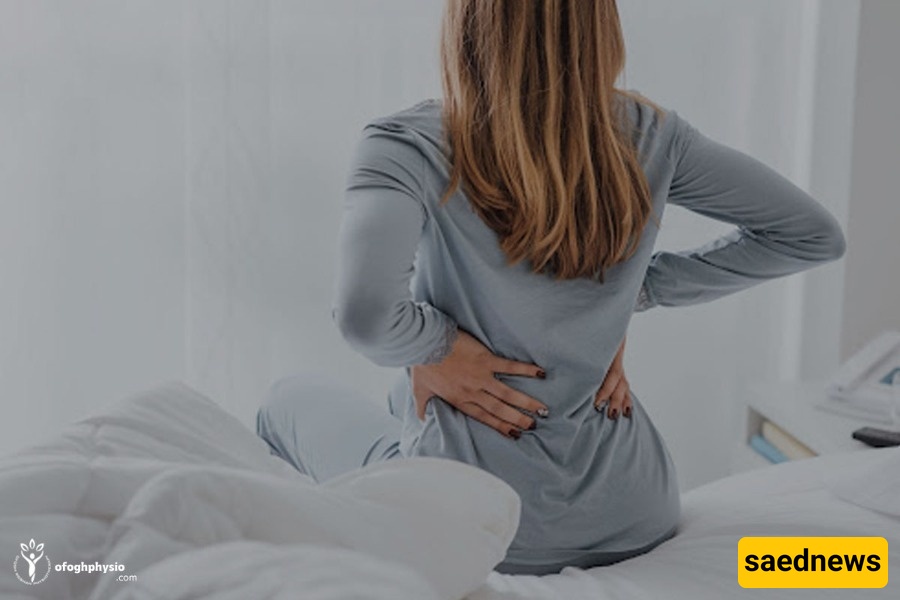
According to Saednews, Nighttime insomnia combined with lower back pain is one of the most common challenges faced by people living with lumbar spinal stenosis. Pain that worsens during the night can affect concentration, energy levels, and overall mood. While many patients believe this discomfort is unavoidable, sleeping posture plays a significant role in managing symptoms. The way you sleep can either reduce pressure on the spinal nerves or make it considerably worse.
In this guide, we'll explore the best sleeping positions for spinal stenosis, explain why they work, and discuss which positions should be avoided to improve comfort and sleep quality.
Lumbar spinal stenosis is a condition in which the spinal canal narrows, reducing the space available for the spinal cord and nerve roots. It most commonly affects the lower back, although it can also occur in the neck.
The condition often develops due to age-related changes, including:
Osteoarthritis
Herniated or bulging discs
Thickened ligaments
Bone spurs
Degenerative changes of the spine
As the spinal canal narrows, nearby nerves become compressed, leading to a variety of symptoms.
People with spinal stenosis may experience:
Chronic lower back pain
Pain radiating into the buttocks or legs (sciatica)
Numbness or tingling in the legs or feet
Muscle weakness
Difficulty walking long distances
Fatigue while standing or walking
Increased pain at night or after prolonged activity
The severity of symptoms varies from person to person, but proper sleep positioning can often provide meaningful relief.
Yes. During sleep, your spine remains in one position for several hours. Poor posture can increase pressure on compressed nerves, causing pain and stiffness by morning. Conversely, maintaining proper spinal alignment while sleeping helps reduce nerve compression, relax surrounding muscles, and improve overnight recovery.
Sleeping on your back is widely considered one of the safest and most supportive positions for people with lumbar spinal stenosis.
In this position:
Body weight is distributed evenly across the mattress.
The spine remains in a neutral alignment.
Pressure on the lower back is minimized.
For even better support, place a pillow or rolled towel underneath your knees. This helps maintain the natural curve of the lower back while reducing stress on the lumbar vertebrae and spinal nerves.
Many people notice less morning stiffness and improved mobility after adopting this sleeping posture.
To maximize comfort:
Choose a medium-firm mattress.
Use a pillow that keeps your neck aligned with your spine.

Side sleeping is another excellent option for many individuals with spinal stenosis.
The key is maintaining proper spinal alignment throughout the night.
Helpful tips include:
Place a pillow between your knees.
Keep your hips, pelvis, and spine aligned.
Bend your knees slightly rather than keeping them completely straight.
This position helps prevent unwanted twisting of the lower back while reducing pressure on the lumbar spine.
Some patients also experience less radiating leg pain because this posture slightly increases the available space around compressed nerves.
For certain individuals, especially those with both spinal stenosis and a herniated disc, the fetal position can provide additional comfort.
To assume this position:
Lie on your side.
Gently draw your knees toward your chest.
Keep your back naturally curved rather than tightly curled.
This mild forward bending (lumbar flexion) can slightly widen the spinal canal, decreasing pressure on irritated nerve roots.
As a result, many patients report reduced leg pain and improved sleep quality.

Sleeping on your stomach is generally considered the least favorable position for lumbar spinal stenosis.
This posture may:
Flatten the natural curve of the lower back.
Increase pressure on lumbar vertebrae.
Force the neck into prolonged rotation.
Create additional strain throughout the spine.
Many people wake up with increased stiffness, severe lower back pain, and reduced mobility after sleeping on their stomach.
If changing this habit is difficult, placing a thin pillow beneath the pelvis may slightly reduce stress on the lower back. However, transitioning to a back- or side-sleeping position remains the preferred long-term solution.
In addition to improving sleeping posture, consider the following strategies:
Sleep on a supportive medium-firm mattress.
Replace worn or unsupportive pillows.
Stretch gently before bedtime.
Maintain good posture during the day.
Avoid sleeping in the same position all night if it causes discomfort.
Stay physically active with exercises recommended by your healthcare provider.

Many cases of mild to moderate lumbar spinal stenosis respond well to conservative treatment. Physical therapy can help by:
Improving spinal mobility
Strengthening core and back muscles
Reducing nerve irritation
Increasing flexibility
Improving balance and walking ability
Reducing pain without surgery
A personalized rehabilitation program designed by a licensed physical therapist can significantly improve daily function and quality of life.
The way you sleep has a direct impact on the symptoms of lumbar spinal stenosis. Sleeping on your back with a pillow beneath your knees or on your side with a pillow between your knees can reduce pressure on spinal nerves and improve sleep quality. The fetal position may also provide relief for some individuals, particularly those with accompanying disc problems. In contrast, sleeping on your stomach is generally discouraged because it places additional stress on the spine.
While proper sleep posture is an important part of symptom management, combining healthy sleeping habits with appropriate exercise, physical therapy, and medical guidance offers the best opportunity for long-term pain relief and improved spinal health.