SAEDNEWS: Prayer is not only nourishment for the human soul; it also strengthens the body and helps people cope with the challenges of daily life. When the eyes remain focused during the act of prostration, the flow of thoughts naturally becomes calmer, which leads to increased mental concentration.
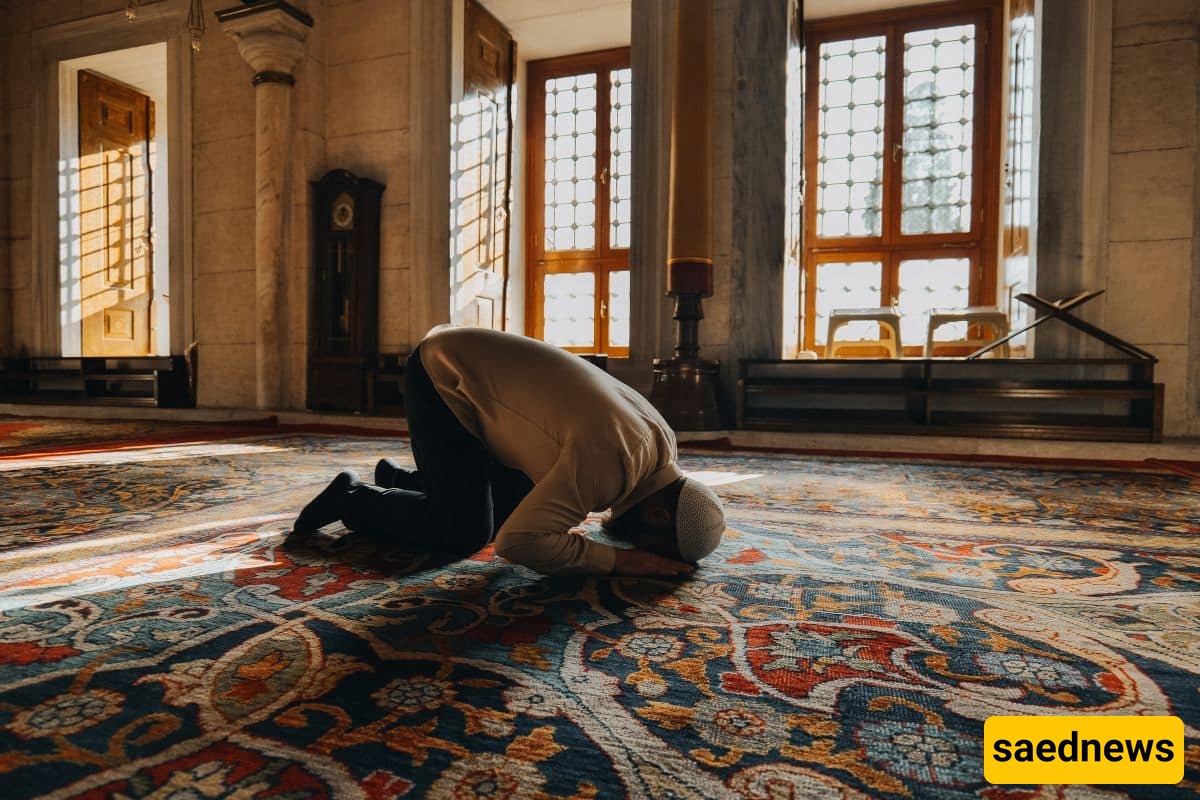
According to Saednews, Islam is a religion for all humanity; therefore, it provides a special path for human happiness and a better way of living. None of its teachings or instructions are without wisdom and purpose.
One of these important practices is prayer, along with the related acts and recitations. Some experts believe that prayer is not only nourishment for the human soul but may also strengthen the body and help people cope with daily challenges.
It is clear that prayer has its own spiritual philosophy. It is considered the ascension of the believer and a means of becoming closer to God. It should be performed sincerely for the sake of God alone, not merely because of possible physical or psychological benefits. However, awareness of scientific viewpoints about prayer may be beneficial for some individuals.
For example, some scientific studies and opinions from experts in medicine and psychology suggest that maintaining a steady gaze during prayer may help improve certain visual weaknesses, such as nearsightedness. From a psychological perspective, this state may increase emotional resilience, reduce anxiety, and help calm restless thoughts and insomnia.
Standing during prayer helps strengthen body balance and supports the central part of the cerebellum, which controls voluntary movements and actions. This may allow a person to perform later movements more efficiently with less physical effort.
Prayer also exercises the upper body, strengthens the spine, and helps maintain proper posture. It may support abdominal muscles, improve digestive system health, and help reduce problems such as chronic constipation, indigestion, and poor appetite through movements like bowing (ruku).
The duration of recitations while bowing may strengthen facial, neck, leg, and thigh muscles, helping improve blood circulation throughout the body. Prostration (sujood) strengthens the spine and may help relieve certain forms of back and sciatic discomfort.
Prostration also increases blood flow toward the head, which may support the nourishment of glands and contribute to healthy skin, freshness, and vitality. It creates a sense of relaxation and calmness and may reduce feelings of anger and tension. Sitting after prayer can help strengthen the muscles of the legs and thighs and may support digestive comfort.
Beyond physical aspects, prayer—especially prostration—has been widely discussed from spiritual and moral perspectives. Islamic teachings emphasize preserving and lengthening prostration as an important form of worship.
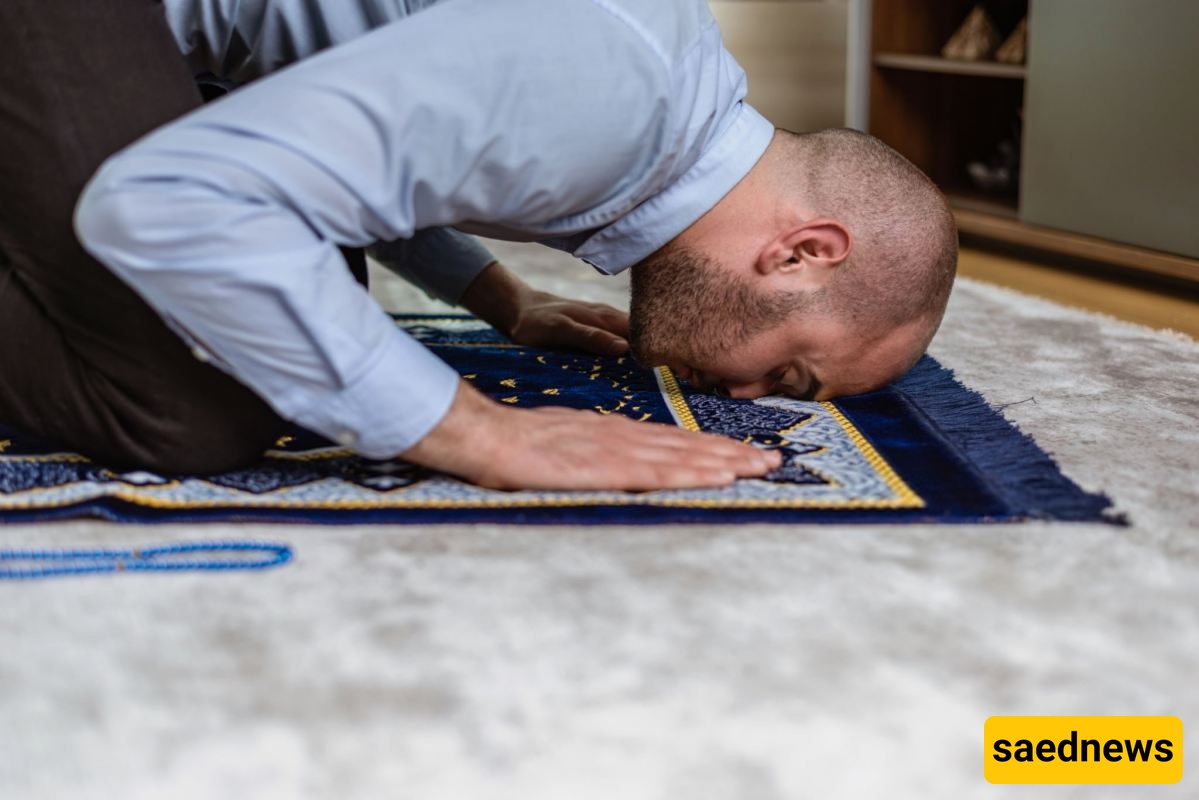
Imam Ja'far al-Sadiq explained why supplication during prostration is encouraged. In response to Saeed ibn Yasar, who asked whether one should pray during bowing or prostration, he said:
“Supplicate during prostration, because the servant is closest to God in the state of prostration. At that moment, ask God, the Almighty, for the needs of your worldly life and your hereafter.”
The Prophet Muhammad also emphasized the value of long prostration, saying:
“If you wish for God to gather you with me, then make long prostrations before the One, the Almighty.”
A group of people once came to the Prophet and said: “O Messenger of God, guarantee Paradise for us from your Lord.” He replied: “I will do so, provided that you help me through your long prostrations.”
In another narration, Imam al-Sadiq was asked about prostration on the soil of Imam Hussein and said:
“Prostration on the soil of Hussein breaks through the seven veils.”
Imam Ali stated:
“If the person performing prayer knew what a magnificent divine presence surrounds them during prostration, they would never wish to lift their head from it.”
According to some scientific discussions, prostration may have positive effects on physical and mental well-being. Professor Muhammad Diaa al-Din Hamid, a specialist in biological sciences and a researcher at the Cairo Technology Research Center, stated that in the modern era humans are constantly exposed to electromagnetic fields and may need ways to release excess energy.
He suggested that prostration provides a natural method for this process.
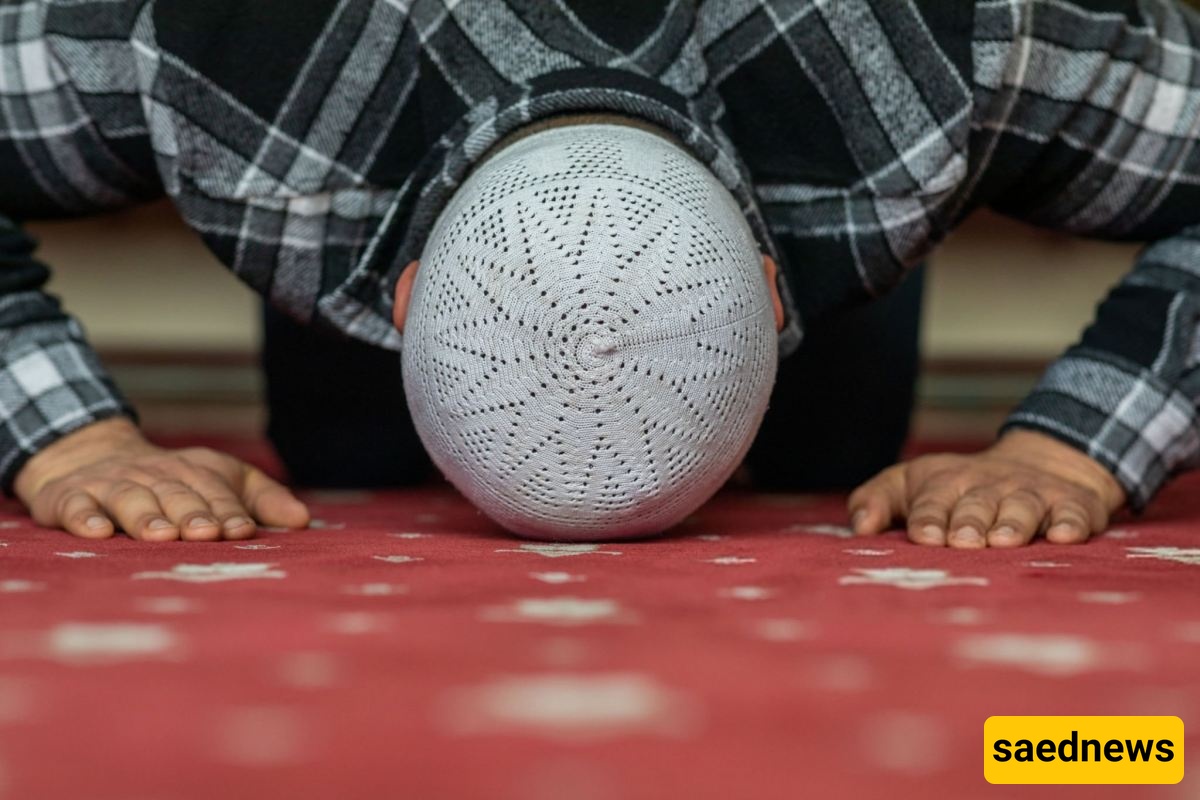
According to this viewpoint, the lower the vertical position of the human body becomes, the less exposure there may be to electromagnetic effects. During prostration, both the body’s position and contact with the ground are believed to contribute to this process.
When the forehead touches the ground during prostration, and other parts of the body are also connected with the earth, the process is considered easier. Supporters of this view believe that this may help protect against certain physical and psychological conditions.
The article further suggests that the position adopted during Islamic prayer, particularly while facing the direction of Mecca, represents an ideal posture that may provide a greater feeling of comfort, peace, and relaxation.
Overall, prayer in Islam is viewed primarily as an act of devotion and spiritual connection with God. Alongside its religious significance, some researchers and believers also highlight possible physical and psychological benefits associated with its movements and practices.