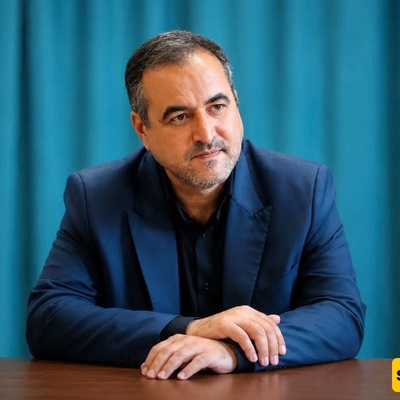
SAEDNEWS: Iranian President Masoud Pezeshkian delivered a televised address to the nation on Wednesday, speaking directly to the public on matters of national importance. The speech was broadcast across the country, allowing citizens to hear the president's remarks through television and other official media channels.
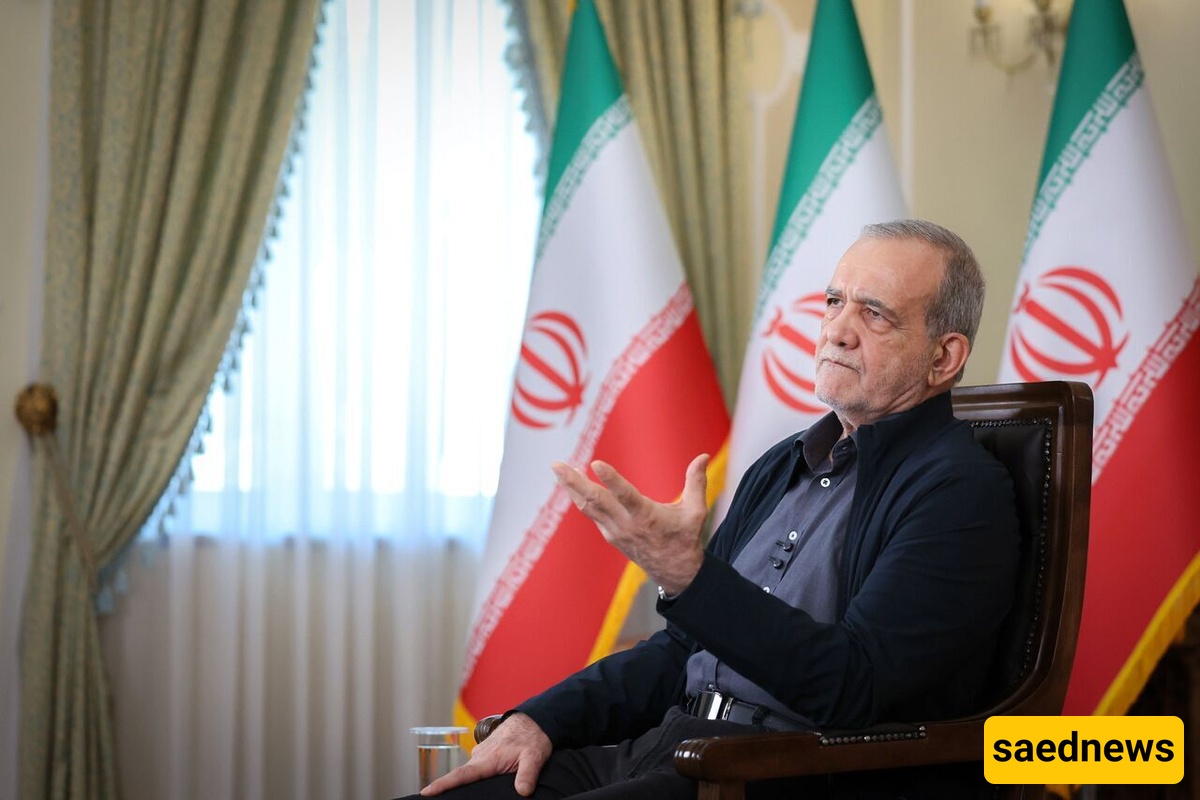
According to Saednews, President Masoud Pezeshkian said his administration has experienced one of the most difficult periods since Iran's 1979 Islamic Revolution, pointing to intensified sanctions, security threats, economic difficulties, severe drought, and military conflict. He stated that national unity played a decisive role in preventing efforts to destabilize the country.
Speaking in an interview with Iran's state broadcaster (IRIB) at the start of the third year of his presidency, Pezeshkian said his government encountered several crises from the outset. These included the assassination of Hamas political leader Ismail Haniyeh in Tehran, ongoing energy shortages, concerns over winter electricity and natural gas supplies, worsening water scarcity, and what he described as Iran's most severe drought in the past 50 years.
The president also referred to renewed international pressure, including the potential activation of the snapback sanctions mechanism, as well as a 12-day military conflict that he claimed was intended to destabilize Iran. According to Pezeshkian, foreign adversaries believed the country could be overwhelmed within days, but those expectations were not realized because of the resilience and unity of the Iranian people.
Pezeshkian further stated that Ayatollah Seyyed Ali Khamenei was killed in a U.S.-Israeli attack on February 28, adding that despite expectations from Iran's opponents that the country would collapse, it remained stable. He said the new Leader continues to provide strength and criticized what he described as attempts by critics to misrepresent a consensus-based leadership transition.
According to the president, Ayatollah Seyyed Mojtaba Hosseini Khamenei demonstrates exceptional moral character and sound judgment. Pezeshkian said his personal interactions with the Leader reflected patience, kindness, and thoughtful leadership.
The Iranian president said one of his administration's primary objectives throughout these developments was to prevent social division while ensuring uninterrupted public services. He praised Iranians from different social and political backgrounds for remaining united despite economic challenges and political disagreements, saying their cooperation helped preserve national stability.
Pezeshkian argued that international sanctions now extend beyond trade restrictions to include Iran's banking and financial sectors, while military and security pressures have further complicated the country's situation. He also criticized what he described as selective international approaches to human rights, questioning attacks targeting Iranian military officials, scientists, and civilians.
He said universities, aerospace facilities, artificial intelligence centers, and scientific personnel have become targets because Iran's technological and scientific achievements are viewed as a challenge by its adversaries.
On domestic policy, Pezeshkian said his administration has sought to avoid measures that could increase social tensions, emphasizing that careful decision-making has helped maintain public calm during a sensitive period.
The president also called for making it easier for Iranians living abroad to return home. He said citizens should be able to enter and leave the country without unnecessary obstacles, adding that individuals facing legal restrictions should be informed in advance rather than detained after arriving in Iran.
Addressing unrest that followed earlier protests, Pezeshkian said legitimate public concerns had been exploited by groups seeking violence. He rejected casualty figures reported by some foreign media outlets as exaggerated, stating that official records had been released and inviting anyone with additional evidence to present it.
Despite the challenges, President Pezeshkian expressed confidence that Iran would continue to withstand external pressure through national solidarity, improved governance, and ongoing investment in scientific and technological development.