SAEDNEWS: Ancient artists in southern China may have used an extraordinary blend of lime, red clay, and blood to create their rock paintings. This remarkable mixture is believed to have helped preserve the artwork for more than 2,000 years, allowing it to withstand torrential rains, extreme heat, and frequent storms.
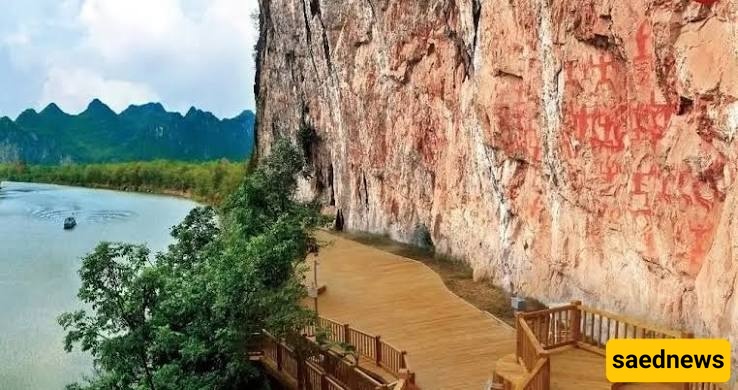
According to Saednews, A new scientific study of the famous Huashan rock paintings in China's Guangxi region has revealed an unexpected ingredient behind their remarkable preservation. Researchers discovered traces of human and animal blood proteins within the microscopic binding layer that holds the red pigments to limestone cliffs. According to the study, these proteins helped create an exceptionally durable mineral bond, effectively fusing the paintings with the rock itself.
Even more intriguingly, scientists identified proteins that may indicate some of the human blood came from women who were giving birth or had recently delivered a child. While this interpretation remains speculative, researchers believe such blood may have carried symbolic or ritual significance associated with fertility and motherhood.
Although this hypothesis has not been proven, the chemical evidence provides a fresh explanation for one of Asia's most enduring archaeological mysteries: how these paintings have survived for more than two millennia.
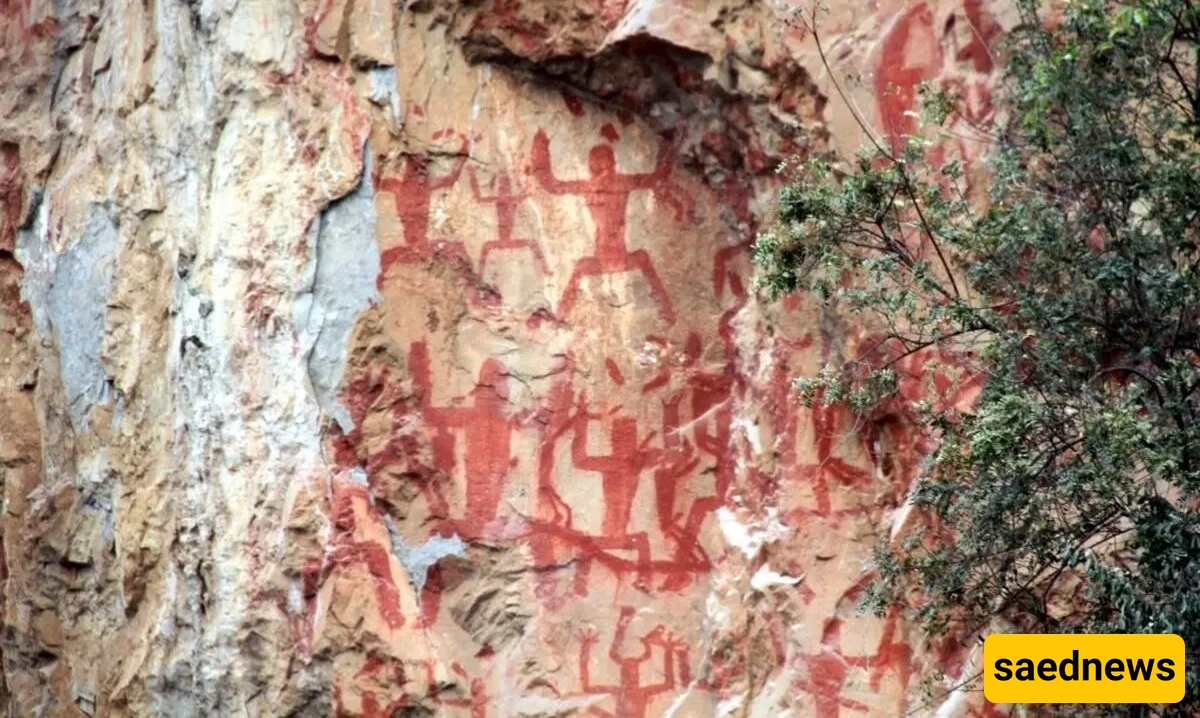
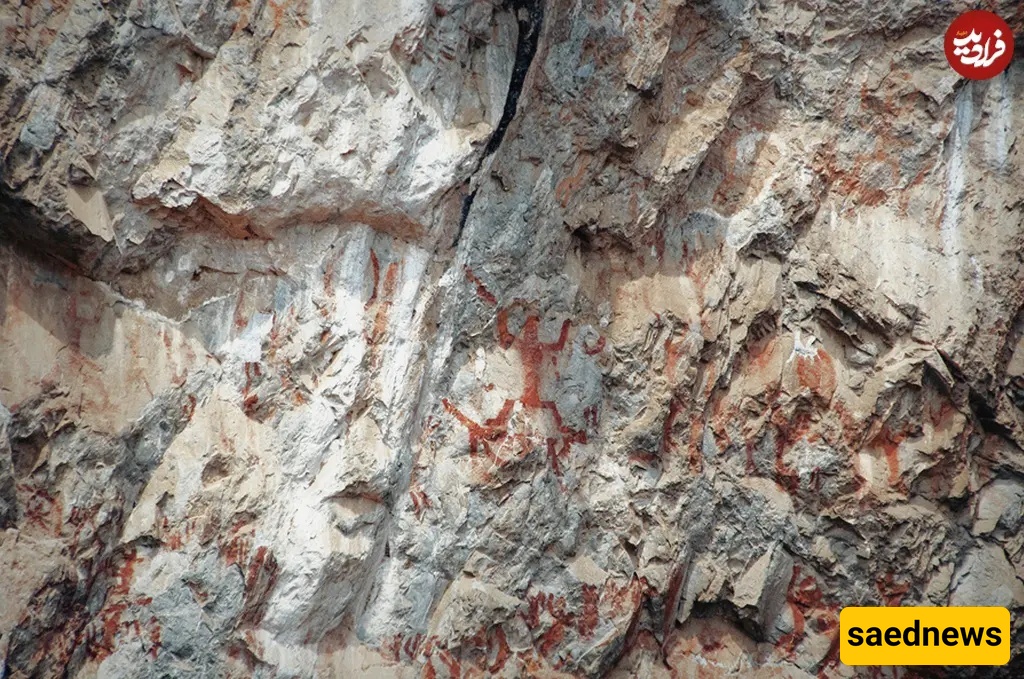
The Huashan Zuojiang Rock Art Cultural Landscape is located in the Guangxi Zhuang Autonomous Region of southern China. The paintings are generally attributed to the ancient Luoyue people and depict human figures, animals, boats, weapons, bronze bells, and large bronze drums.
Many human figures appear standing or squatting with outstretched arms, suggesting participation in ceremonial activities connected to the bronze drum culture of southern China.
UNESCO estimates that the rock art was created between the 5th century BCE and the 2nd century CE. Earlier radiocarbon dating placed some of the paintings between approximately 2,370 and 2,115 years old.
The main Huashan cliff alone contains around 1,900 recognizable figures spread across nearly 8,000 square meters, making it one of the world's largest single collections of rock art.
For decades, archaeologists and conservation experts have wondered how these exposed paintings endured such harsh environmental conditions.
Painted directly onto limestone cliffs—sometimes dozens of meters above the river—the artwork has survived thousands of years of subtropical heat, high humidity, seasonal monsoon rains, and tropical storms.
Conventional organic binders such as plant gums or animal glue normally deteriorate rapidly under these conditions.
A 2012 study proposed that artists used plant sap containing oxalic acid, which could react with limestone to form a protective calcium oxalate layer. However, the new research, published in the Journal of Archaeological Science, presents a different explanation.
Rather than simply mixing red pigment with a binder, the artists appear to have created a sophisticated lime-based mortar.
Researchers analyzed naturally detached fragments from the painted cliffs, allowing them to study authentic samples without damaging the remaining artwork.
The analysis revealed three distinct layers:
The limestone surface
A thin artificial mortar layer
The red pigment coating
The pigment itself came from local clay rich in microscopic hematite particles, some measuring only a few hundred nanometers across. These iron-rich particles produced the paintings' distinctive deep red color.
The bonding layer proved far more complex. It contained calcium carbonate, calcium phosphate, and blood proteins.
Researchers believe the artists mixed slaked lime with a phosphate-rich material and blood to create an emulsion that was first applied to the rock. Before the mortar fully hardened, the red pigment was painted on top.
As the lime absorbed carbon dioxide from the atmosphere, it gradually transformed into hard calcium carbonate. During this process, blood proteins guided the formation of tightly packed mineral crystals through biomineralization.
These crystals encapsulated the hematite particles and locked them firmly onto the limestone surface. The result was not simply dried paint but a microscopic organic-mineral composite resembling a natural mineral cement.
In the best-preserved samples, the bond between the paint layer and the rock was so strong that researchers had to use an electric drill to separate them in the laboratory.
Proteomic analysis confirmed several well-known blood proteins, including albumin, fibrinogen, and immunoglobulins.
Both human and animal proteins were detected. Some samples contained predominantly human proteins, while others showed greater proportions of cattle and other animal proteins, indicating that artists across the Huashan region did not rely on a single standardized recipe.
The most surprising discovery was the identification of two proteins associated with pregnancy, breastfeeding, and the female reproductive system: prolactin-inducible protein and lactotransferrin.
Based on these findings, researchers suggested that at least some of the human blood may have originated from childbirth or postpartum bleeding.
Researchers propose that the possible use of childbirth-related blood may reflect the ritual beliefs of the ancient Luoyue people, who are widely believed to have created the paintings.
Some historical Chinese texts describe Luoyue society as matrilineal, although these accounts were written by outside observers and should be interpreted cautiously.
The artwork itself is generally understood as depicting ceremonial gatherings rather than scenes of everyday life. Groups of people are shown alongside bronze drums and other prestigious objects commonly associated with ritual activities.
If the hypothesis is correct, childbirth-related blood may have served both practical and symbolic purposes. It could have strengthened the mineral structure that preserved the paintings while also symbolizing fertility, renewal, and the continuity of the community.
The Huashan paintings have long been viewed as an enormous artistic undertaking requiring large numbers of workers to access and paint the towering cliffs.
The new study shifts attention from manpower to technical expertise.
Researchers argue that the extraordinary durability of the paintings reflects an advanced understanding of natural materials and chemical processes rather than simply large-scale labor. Their survival depended not on thick layers of pigment but on a carefully engineered mineral system created through sophisticated material knowledge.
More than 2,000 years later, that technology continues to perform its original function. Although many of the blood proteins have long since degraded, the mineral framework they helped create still holds the vivid red figures firmly to the limestone.
In effect, the Huashan artists did more than paint images on stone—they engineered their artwork into the rock itself.