SAEDNEWS: As temperatures rise during the summer, many travelers look for destinations that are cooler than the humid northern coastal areas. Highland and mountainous regions in northern Iran such as Savadkuh, Filband, Javaherdeh, Deylaman, and Heyran Pass have become popular choices for escaping the summer heat.
According to Saednews, When the calendar turns to summer and the sun mercilessly beats down on the city’s asphalt streets, urban life feels like being trapped inside a massive brick kiln. Air conditioners can no longer cope with the intensity of the heat, and breathing in the heavy, smoke-filled air becomes exhausting. On these scorching days, only one dream grows in our minds: escape. Escape to a place where there is no need for air conditioning, where nights are so cool you pull a thick blanket tightly around yourself, and mornings begin with refreshing dew touching your face.
But traveling to the northern coastline in the heart of summer often means confronting heavy humidity—sometimes even more unbearable than dry city heat. To reach true summer paradises, you must leave the coastal strip behind and steer your car toward winding mountain roads that lead to highland villages. There, clouds lie beneath your feet, and temperatures can be up to 20°C cooler than in the plains and cities.
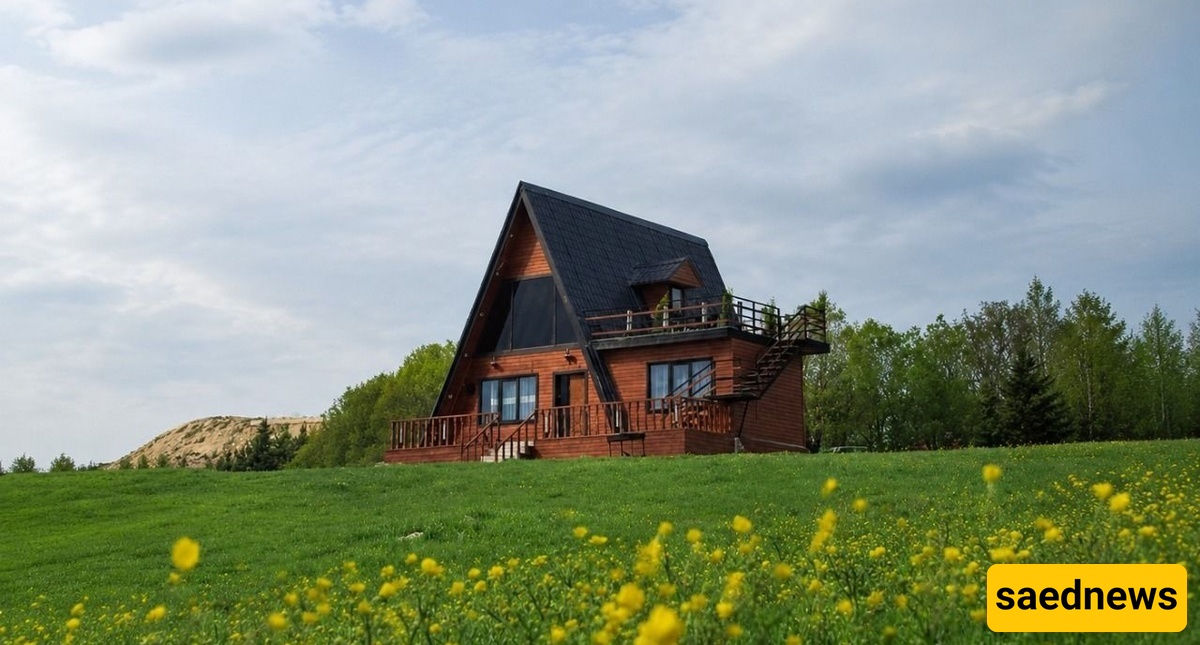
Imagine, in the peak of summer, while packing your bags and searching for a villa in Masal, knowing that you will wake up in a wooden cottage beside a fireplace or under a thick blanket, to the sound of sheep bells in the distance.
If you live in Tehran and don’t want to spend long hours in traffic on northern highways, Savadkuh in Mazandaran Province is one of the most accessible and ideal options. With its ancient Hyrcanian forests, historic bridges such as Veresk, and untouched mountain villages, Savadkuh is a gateway to quick mountain escapes.
Alasht, a town hidden among clouds and towering mountains, with its cobblestone streets and clay houses with wooden roofs, feels like a journey back in time. The Sangesar beech forest, with its towering trees and cool, shaded silence, is a refuge where summer sunlight can barely penetrate.
In the highlands of Savadkuh, there is no oppressive coastal humidity. The air is purely mountainous, and after sunset, a cool breeze begins to flow, making evenings on wooden balconies with a cup of tea an unforgettable experience.
Moving eastward in Mazandaran and ascending the Haraz Road leads you to one of Iran’s highest and most dreamlike villages: Filband, known as the “Roof of Eastern Mazandaran,” sitting at about 2,300 meters above sea level.
Filband’s main attraction is its breathtaking sea of clouds. Due to its high elevation, clouds often form in the valleys below, creating the illusion of standing above an endless white ocean.
Finding accommodation in Filband—often wooden cottages or warm rural homes overlooking the valleys—is key to the experience. The weather is highly unpredictable; in a single summer day, you may experience blazing sun, heavy rain, and thick fog. Here, you quite literally sleep among the clouds.
One of Iran’s most famous highland villages, Javaherdeh sits at around 2,000 meters above sea level above the city of Ramsar. The road leading there is itself a major attraction, passing alongside rivers and through dense forest tunnels.
One of Javaherdeh’s advantages is its relatively well-developed amenities compared to more remote villages. Local markets, where villagers sell pickles, jams, traditional bread, and handicrafts, form the heart of the settlement.
While Ramsar below is hot and humid, just a short drive upward brings you into cool mist and refreshing mountain air. Accommodation options range from traditional cottages to modern villas with panoramic views.
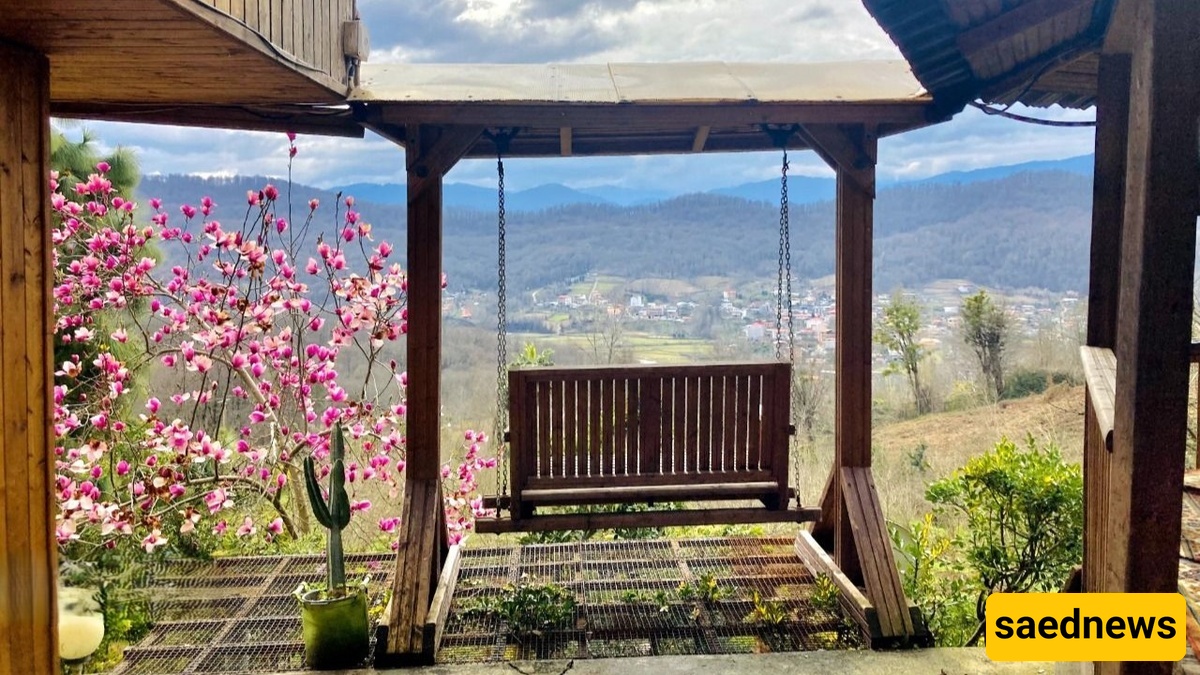
Beyond Mazandaran lies the mountainous heart of Gilan. Passing through a lush forest road from the city of Siahkal—crossing waterfalls and dense tunnels of trees—you arrive at Deylaman, a vast and historic plateau.
Unlike many purely grassy highlands, Deylaman combines rocky mountains, wide flower-filled plains, and scattered forests. Even in August, the weather remains cool and sometimes cold.
Deylaman is one of Iran’s ancient settlements, with historical bathhouses and remnants of old fortresses scattered throughout the region. Staying in its rural houses offers a deep connection with nature, culture, and tranquility.
For those seeking a more adventurous escape, the Heyran Pass between Gilan and Ardabil offers one of the most dramatic mountain routes in Iran.
Here, summer feels like autumn—or even winter. Cold winds from Ardabil and humid air from the Caspian Sea often wrap the region in thick mist.
Cable cars, zip lines, and sled rides through forested slopes make Heyran a major adventure destination.
Accommodation in nearby villages offers breathtaking views of forests and mist-covered landscapes, with the sound of mountain winds at night.
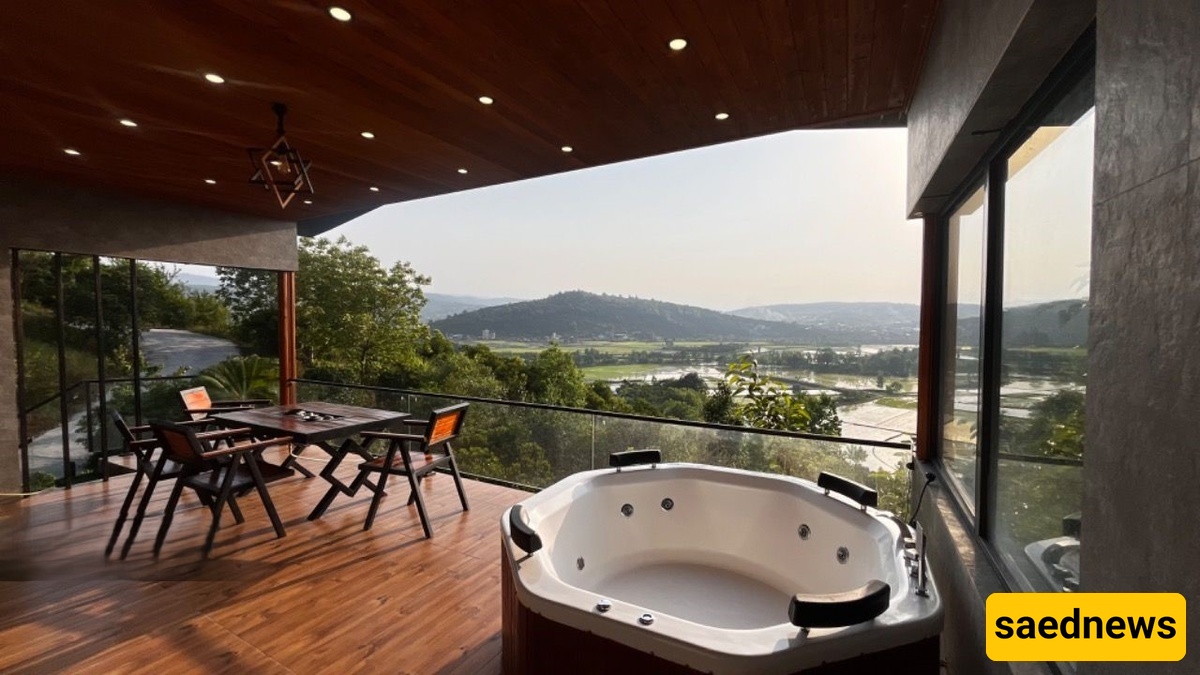
Despite their beauty, highland destinations come with challenges: winding roads, foggy conditions, and limited connectivity. Upon reaching these remote areas, the last thing travelers want is uncertainty about accommodation.
Advance booking is essential. Reliable platforms that verify hosts, show real user reviews, and provide clear information about amenities help travelers make safer and more informed choices.
Escaping summer heat toward northern highlands is a beautiful paradox: while cities burn under the sun, you pack sweaters, jackets, and warm socks for a mountain retreat.
These regions are among Iran’s geographical treasures, reminding us how powerful and surprising nature can be.
Whether you choose the sea of clouds in Filband, the vast plains of Deylaman, or the misty heights of Heyran Pass, one principle remains essential: respect the fragile mountain environment. Protect vegetation, avoid unsafe fires, and always take your waste back with you.