SAEDNEWS: In 2025, technology has narrowed the gap between expensive professional cameras and smartphones. Today’s flagship phones can replace much of the heavy equipment once needed for blogging and YouTube content creation.
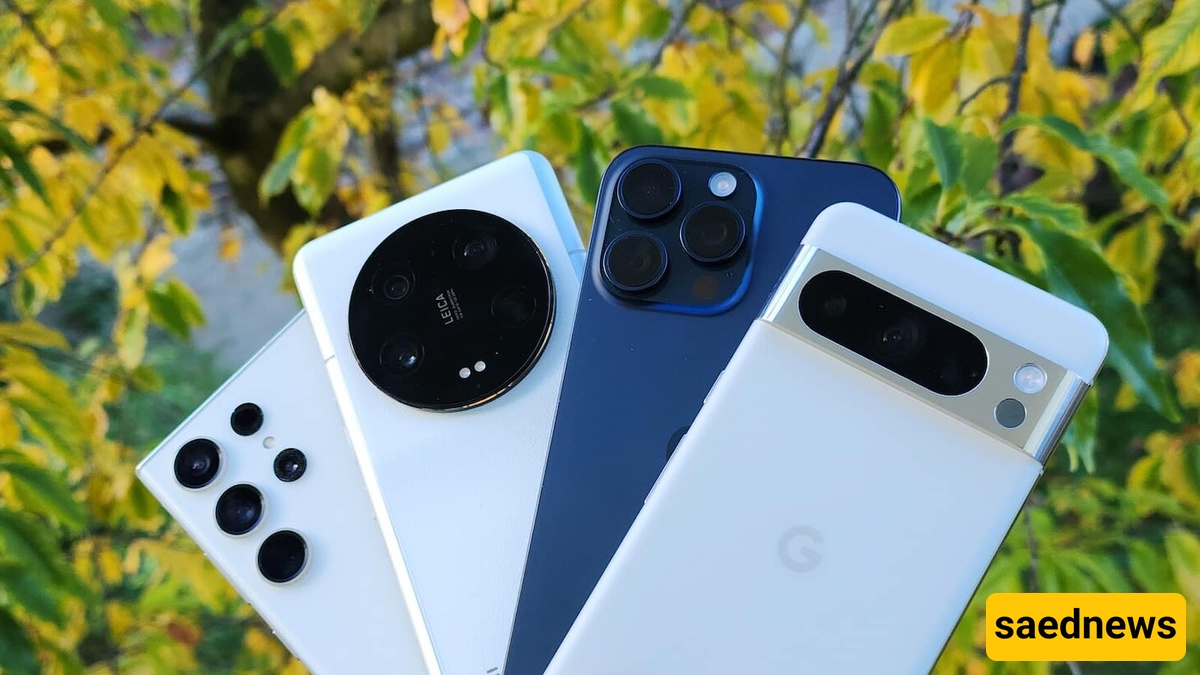
According to Saednews, In 2025, advances in technology have made the gap between expensive professional cameras and smartphones narrower than ever. If, just a few years ago, YouTubers and content creators needed to carry heavy bags filled with lenses and equipment, today’s flagship smartphones can fit many of those capabilities into bodies only a few millimeters thick.
However, choosing the best smartphone for video recording requires a careful review of specifications to find the device that truly meets your needs. In this article, we introduce some of the best smartphones available on the market for filming and content creation.
With the introduction of the iPhone 17 Pro Max, Apple made a significant design decision that initially surprised many fans. Replacing titanium with aluminum may have seemed like a step backward at first, but the reason became clearer during long 4K video recording sessions.
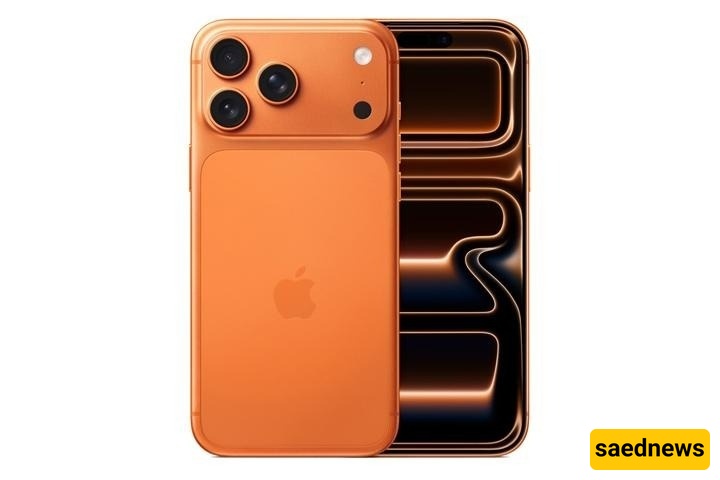
The new frame design and vapor chamber cooling system help manage heat more effectively, reducing camera performance issues caused by overheating. The 48-megapixel telephoto camera has also received major improvements, delivering excellent results.
Although this phone does not reach Samsung’s extreme zoom capabilities, it captures zoomed-in videos with a highly cinematic appearance. Its 3,000-nit display allows accurate framing even under strong sunlight, creating an impressive viewing experience.
By softening the sharp corners of its Ultra series, Samsung has significantly improved the ergonomics of the Galaxy S25 Ultra, making it more comfortable to hold. However, the real improvements are found beneath its titanium body, where the Snapdragon 8 Elite processor provides powerful performance.
The phone delivers stable results when recording 10-bit HDR videos. Samsung has also placed greater emphasis on practical artificial intelligence features. For example, Galaxy Log and the virtual aperture feature help users create videos with a look closer to professional cinema cameras.
The 200-megapixel sensor, combined with updated ProVisual algorithms, reduces nighttime noise and improves low-light video recording. For users who want a device with a built-in stylus and one of the strongest zoom systems available, the Galaxy S25 Ultra is a highly capable option.
If appearance is not your priority and you only care about final image quality, the Xiaomi 15 Ultra is designed for you. With its large circular camera module and one-inch Sony sensor, the phone looks more like a professional camera than a traditional smartphone.
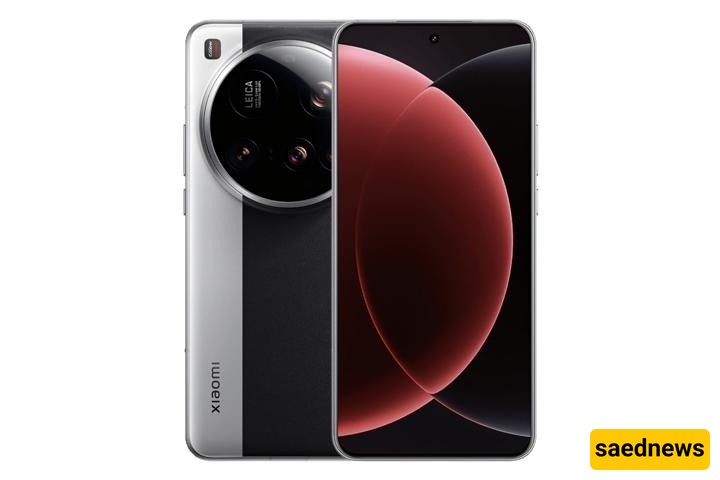
The collaboration with Leica is more than just marketing; colors captured in videos have a unique depth and natural quality. The phone’s 200-megapixel periscope camera records impressive details in daylight, producing eye-catching footage.
However, users must accept its heavier weight and the noticeable camera bump on the back. Performance drops during extremely demanding workloads also show that Xiaomi’s cooling system still has room for improvement.
Nevertheless, for those seeking Leica-style imaging and fast 90W charging, this phone offers a complete mobile photography and videography package.
Entering the world of content creation does not always require spending large amounts of money on premium flagship devices. The Redmi Note 14 Pro+ proves that high-quality videos for platforms such as Instagram and YouTube can be created with a reasonable budget.
With a durable design and a main camera equipped with optical image stabilization, this phone is a strong choice for beginners starting their content creation journey.
Although it cannot compete with the Galaxy S25 Ultra in zoom quality or nighttime video recording, its battery life is impressive thanks to newer silicon-carbon battery technology. For users who cannot afford high-end models, this powerful mid-range smartphone offers modern features at a more accessible price.
With the Pixel 10 series, Google once again demonstrated its strength in computational photography and image processing. If your hands shake while recording or you often film in low-light environments, Google’s Video Boost technology can significantly improve your results.
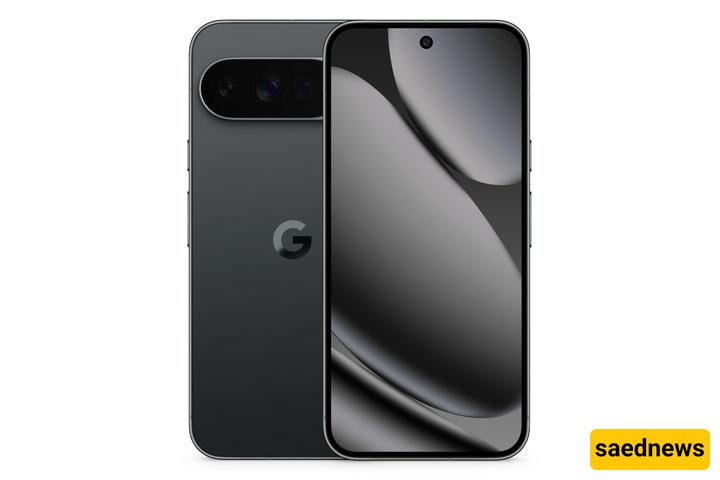
The Tensor G5 processor may not outperform competitors in heavy gaming performance, but it excels at video processing and advanced audio improvements through features such as Audio Magic Eraser, which helps remove unwanted background sounds.
The Pixel 10 Pro XL is designed for people who do not want to spend much time on complicated editing and want their videos to be ready for sharing with the help of advanced hardware and software processing.
Its skin-tone accuracy is among the most realistic available on smartphones, making it especially valuable for vloggers and content creators.
In 2025, a smartphone can provide a complete photography and videography experience without requiring a professional camera.
For users who prioritize video stability and a seamless ecosystem, the iPhone remains one of the strongest choices. Those who want powerful zoom capabilities and extensive software features may prefer Samsung’s flagship offerings. Meanwhile, Xiaomi and Redmi devices provide attractive alternatives for users looking for strong performance while keeping costs lower.