SAEDNEWS: Adam's Peak, also known as Sri Pada, is located in Sri Lanka. While surrounded by stunning natural beauty, it is most famous for its religious significance.
According to Saednews, Mountains have long symbolized strength, endurance, and spiritual elevation. Across literature, folklore, and religious traditions, they are often regarded as sacred places where heaven and earth meet. Mount Sinai is known as the place where Prophet Moses received divine revelation, Mount Olympus was believed to be the home of the gods in ancient Greek mythology, and in Islam, mountains such as Jabal al-Rahmah, Jabal al-Nour, and Mount Uhud hold profound religious significance. The Holy Quran also refers to mountains as "stakes" that stabilize the earth.
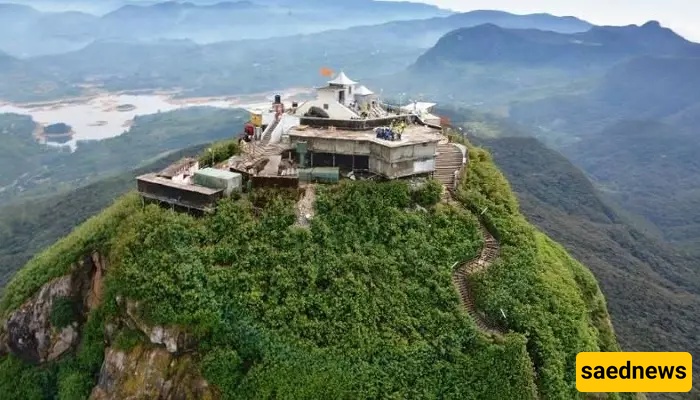
Among the world's sacred mountains, Adam's Peak (also known as Sri Pada) stands out for being revered by followers of multiple religions. Rising approximately 2,243–2,300 meters above sea level in southern Sri Lanka, this remarkable mountain has become a destination where faith, history, and nature converge.
Adam's Peak is unique because it is considered holy by four major religious communities.
Buddhists believe the footprint at the summit belongs to Buddha and refer to the mountain as Sri Pada, meaning "Sacred Footprint."
Hindus honor the footprint as that of Lord Shiva.
Christians traditionally associate the footprint with Adam, believing he stood here after being expelled from the Garden of Eden.
Muslims in Sri Lanka also believe that Prophet Adam first descended to Earth on this mountain and remained standing on one foot in repentance until God accepted his prayer.
Although these traditions differ, they all recognize the mountain as a sacred place worthy of respect and pilgrimage.
The summit contains a large rock formation featuring a footprint-shaped depression measuring approximately one by two meters. For centuries, pilgrims from different faiths have climbed the mountain to visit this remarkable site.
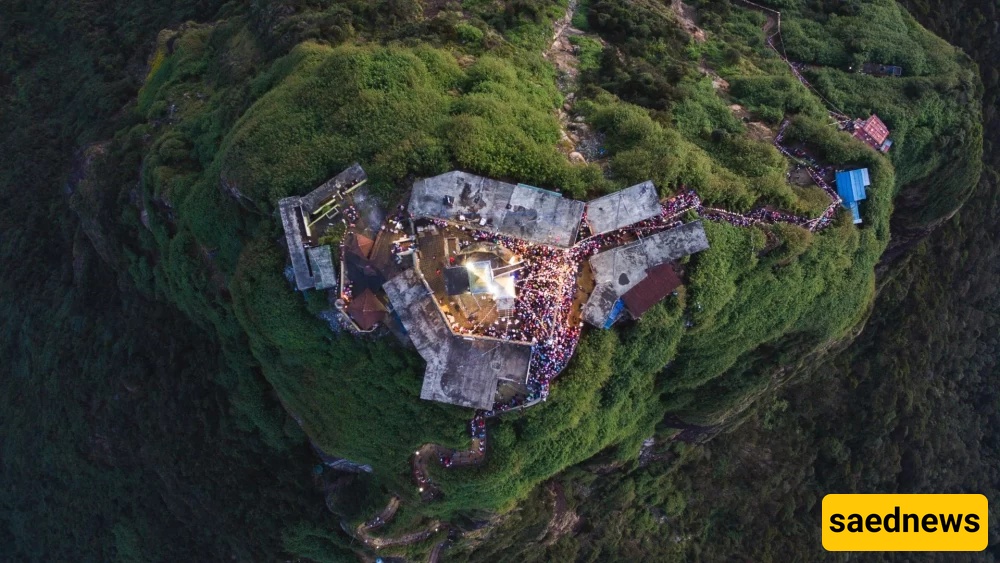
Every year, tens of thousands of visitors make the journey barefoot, climbing with prayers, devotion, and mutual respect despite their different religious backgrounds.
Because the mountain lies within a region of dense forests and rugged terrain, where heavy monsoon rains, thick fog, and wild animals are common, pilgrimage is limited to a specific season.
The annual pilgrimage generally begins in December and continues until early April, when weather conditions are safer for climbing.
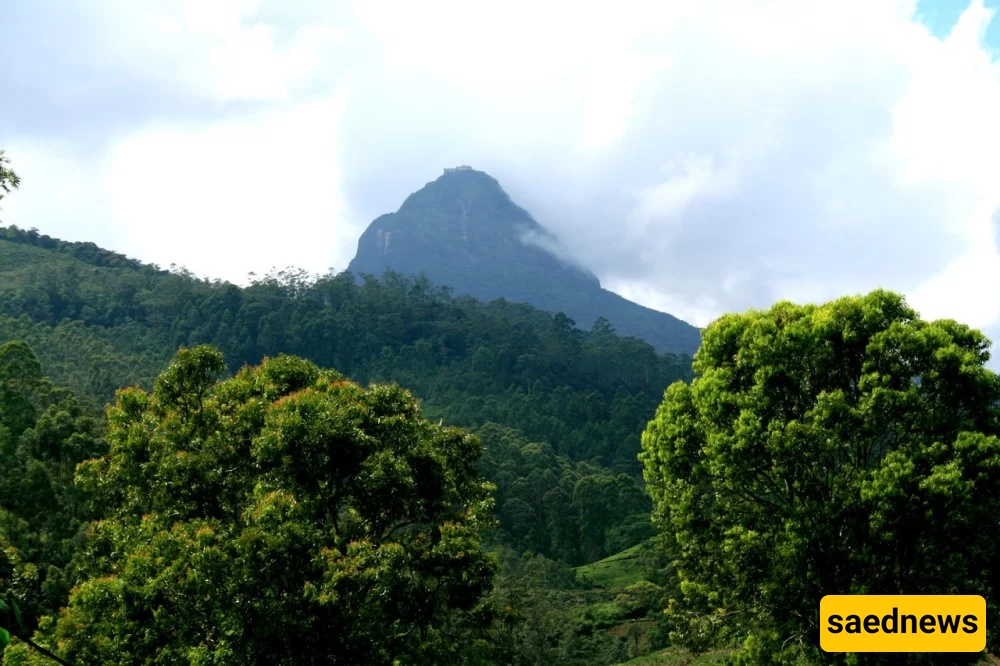
Today, three main routes lead to Adam's Peak.
A route beginning near Hatton, passing through scenic mountain villages.
A route starting from Ratnapura, traveling through villages such as Gilimale and Palabaddala.
A route beginning near Kuruwita.
The Hatton route is now the most popular because it is shorter and passes through beautiful tea plantations.
The Ratnapura route, although historically significant, is much more challenging. It crosses dense tropical forests inhabited by wildlife and passes close to Sri Lanka's famous virgin rainforest. While shelters are available along the way, the climb is considerably more demanding.
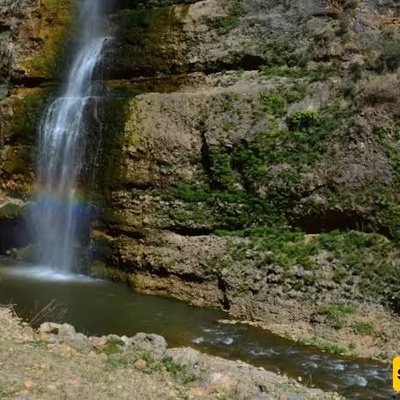
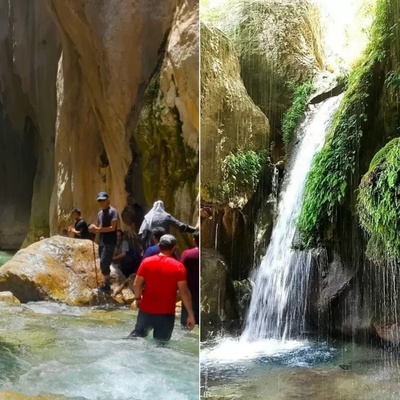
The pilgrimage offers far more than a religious experience. Travelers are surrounded by lush green landscapes, cascading waterfalls, clear mountain streams, and the songs of tropical birds.
Along one of the routes stands a Japanese Buddhist temple. Every morning at sunrise, monks perform religious chants while beating ceremonial drums. Their rhythmic music blends with the ringing bell from Adam's Peak summit, creating a peaceful atmosphere that echoes across the surrounding mountains.
According to local tradition, one of today's most frequently used climbing paths was first identified by Iranian pilgrims many centuries ago and became known as the "Salawati Road."
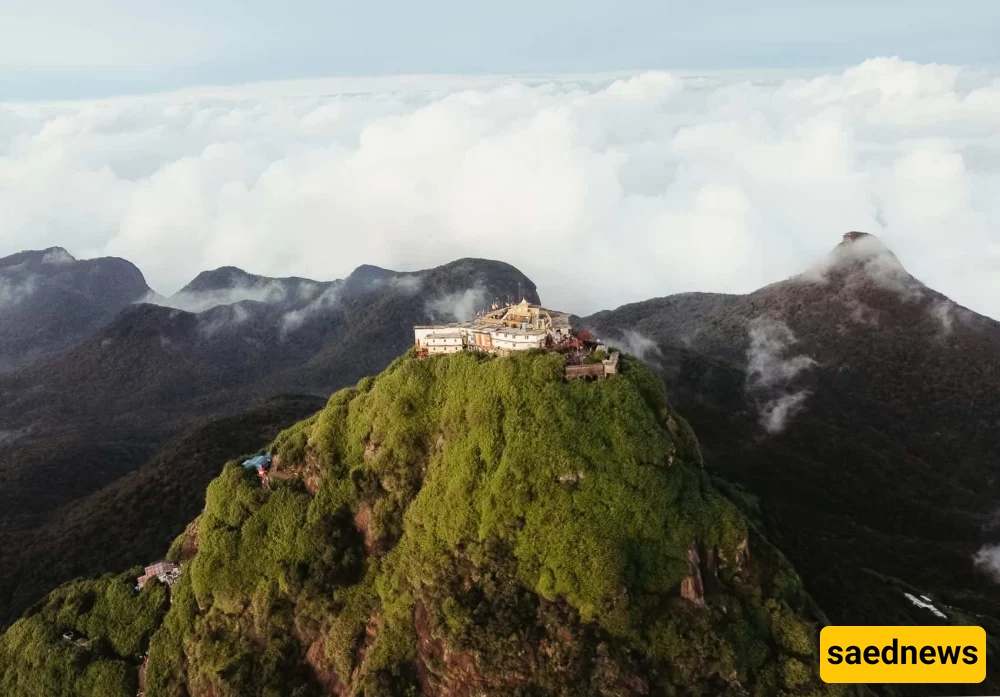
Modern pilgrims usually travel by vehicle to the Peace Temple, where the road ends. From there, they continue on foot, climbing thousands of stone steps carved into the mountainside.
One important stop is Seetha Gangula, where a cold spring flows from the mountain. Pilgrims traditionally wash themselves, change into clean white clothing, and cleanse the coins they intend to offer before continuing toward the sacred footprint.
Further along the trail lies a narrow rock passage that allows only one person to pass at a time, followed by a steep ascent that requires considerable physical effort.
The walking distance to the summit is approximately 6.5 kilometers.
As pilgrims approach the summit, the atmosphere becomes increasingly spiritual. Many avoid unnecessary conversation and instead recite prayers and sacred verses.
When passing fellow pilgrims traveling in the opposite direction, they traditionally greet each other with blessings, wishing that God's mercy and kindness accompany their journey.
At the summit lies a large stone platform where visitors gather around a sacred oil lamp that remains continuously lit throughout the year using coconut oil donated by pilgrims.
After completing their prayers and offerings, many visitors ring a large bell to mark the completion of their pilgrimage.
Most climbers begin the ascent during the night to avoid daytime heat and to witness one of Sri Lanka's most breathtaking natural spectacles.
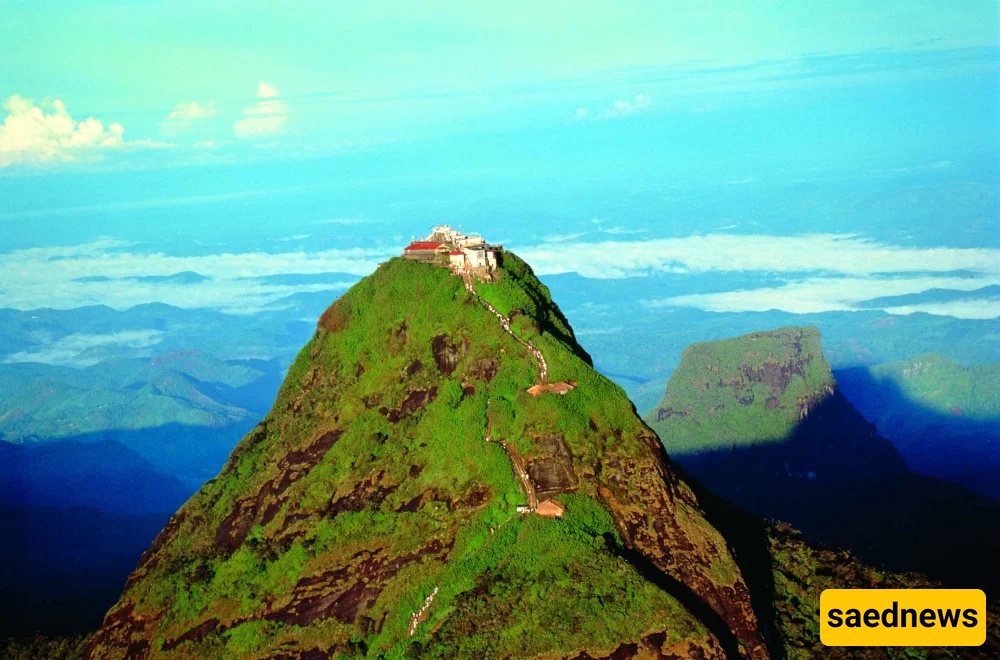
One of Adam's Peak's greatest attractions is its extraordinary sunrise.
During the pilgrimage season, northeastern winds often create a sea of white clouds below the summit. As the first rays of sunlight appear, the mountain casts a perfectly triangular shadow across the mist-covered landscape.
The sunrise unfolds in three distinct stages. The sun first appears as a soft pink disc, gradually turns into a brilliant red sphere, and finally shines with a golden glow. This gradual transformation gives many observers the impression that the sun rises three separate times.
After sunrise, the mountain's blue shadow stretches dramatically across neighboring peaks, creating one of Sri Lanka's most photographed natural phenomena.
Many Sri Lankan Muslims regard Adam's Peak with deep respect and visit it during the pilgrimage season alongside followers of other religions.
Islamic historical writings have long associated the mountain with Prophet Adam.
Several classical Muslim scholars and historians—including references attributed to Ibn al-Athir, Al-Mas'udi, Ibn Battuta, and Avicenna (Ibn Sina)—mention traditions connecting Adam's descent to the mountain known historically as Rahun in the island once called Serendib.
Persian literature also reflects this belief. The celebrated poets Khaqani and Nizami referred to Serendib and Adam's mountain in their poetry, while the Persian dictionary Burhan-e Qati describes the mountain as the place where Adam descended to Earth.
According to a popular Sri Lankan Muslim tradition, the island's famous gemstones—including rubies, emeralds, and peridots—were formed from the tears shed by Prophet Adam during his repentance.
These accounts represent traditional religious and historical beliefs and are not established historical or archaeological facts.
Regardless of differing religious interpretations, Adam's Peak remains one of Sri Lanka's most important pilgrimage destinations and one of its most celebrated tourist attractions.
Each year, thousands of pilgrims and travelers from around the world undertake the challenging climb to experience its remarkable combination of spiritual heritage, cultural diversity, breathtaking scenery, and unforgettable sunrise.
Adam's Peak continues to stand as a powerful symbol of faith, unity, and the enduring connection between humanity and the natural world.