SAEDNEWS: In this article, we will introduce Jeju Island and explore its recreational activities and notable attractions. Join us as we discover the beauty and highlights of this unique island.
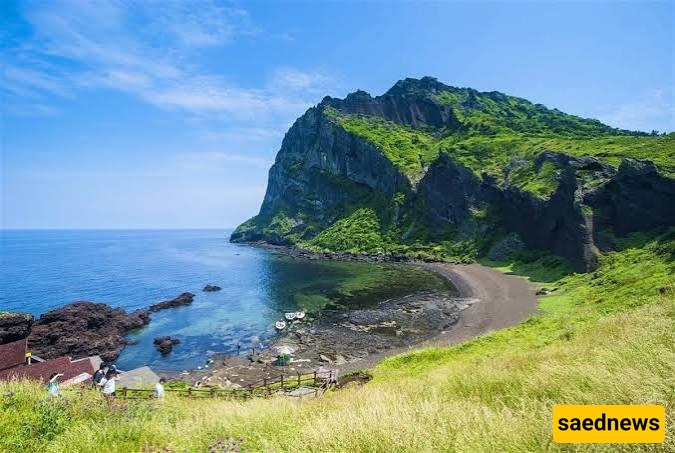
According to Saednews, Located in the southwestern part of South Korea, Jeju Island is the country’s largest island and belongs to Jeju Special Self-Governing Province. It is also one of the busiest and most popular tourist destinations in South Korea. The island is located far from Seoul, the capital city, and a flight from Seoul to Jeju takes approximately one hour.
Famous for its unique local atmosphere, beautiful landscapes, and volcanic scenery, Jeju Island is often called the “Hawaii of South Korea.” Every year, millions of visitors travel to the island to experience its natural attractions, cultural heritage, and outdoor activities. The volcanic mountains and geological formations covering parts of the island have also been recognized as UNESCO World Natural Heritage sites.
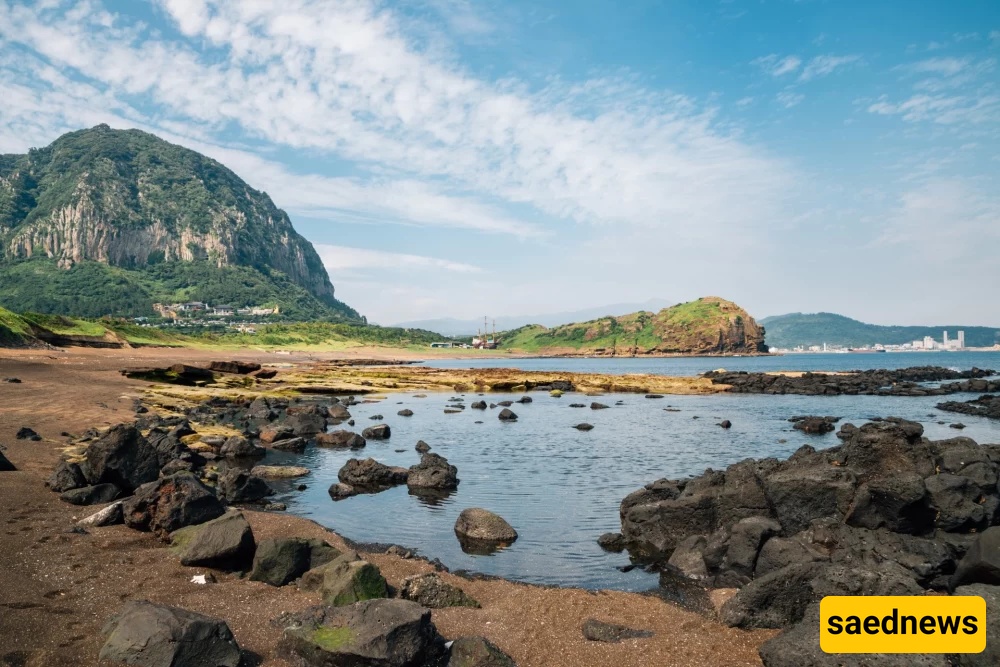
The island was originally known as Tamna, meaning “island country.” It was home to the earliest known settlements in Jeju Province, dating back to around the 3rd century AD.
Tamna became an active trading region and maintained commercial relationships with the ancient Korean kingdoms of Baekje, Goguryeo, and Silla during the Three Kingdoms period. After Baekje was defeated by the allied forces of Silla and Tang China, Tamna also developed diplomatic connections with the Tang Dynasty in China and Japan.
During the 500 years of the Joseon Dynasty, Jeju Island was divided into three administrative areas: Jejumok, Jeonguihyeon, and Daejeonghyeon. Each area had its own government buildings, facilities, and surrounding defensive walls. Confucian schools were also established in each district.
Because Jeju was separated from the mainland and difficult to reach in ancient times, it was used as a place of exile. Around 200 people were sent to the island as political prisoners or criminals during the Joseon period.
During the reign of King Gojong of the Goryeo Dynasty (1213–1259), the island’s name was changed from Tamna to Jeju, meaning “a large province across the sea.”
Today, Jeju remains South Korea’s most visited island, attracting travelers with its natural beauty and historical significance.
Seongsan Ilchulbong
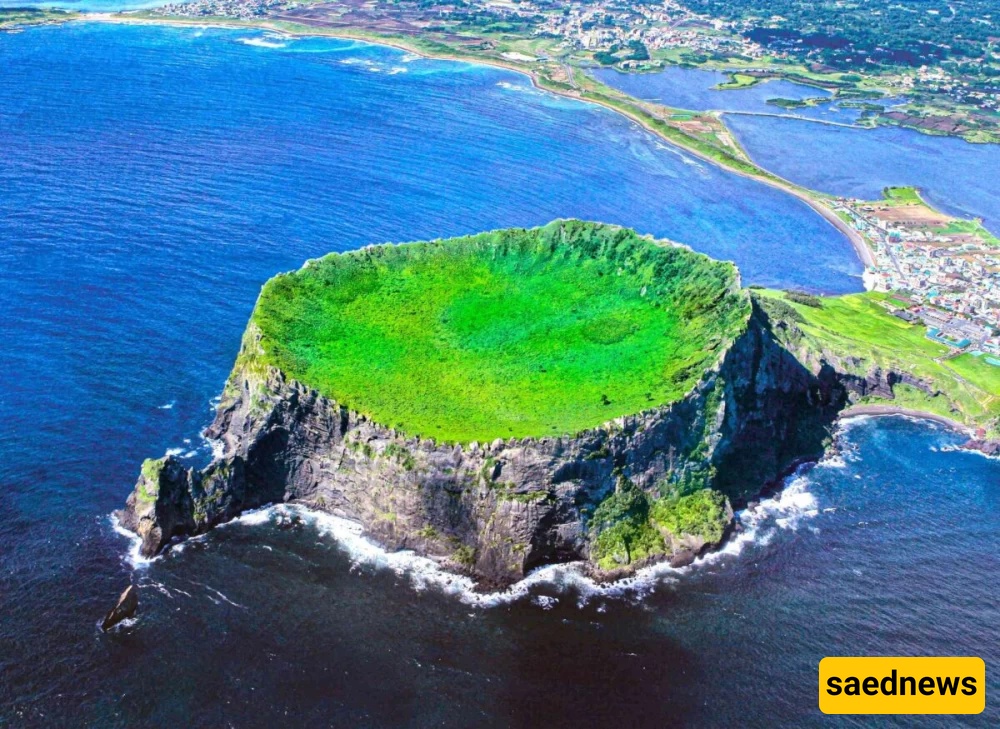
Seongsan Ilchulbong is one of Jeju’s most famous historical and natural landmarks. It was formed approximately 5,000 years ago by a volcanic eruption that occurred beneath the ocean.
The site is especially famous for its breathtaking sunrise views and is considered one of the ten most beautiful landscapes on Jeju Island. Besides sunrise watching, the area is also an excellent destination for hiking.
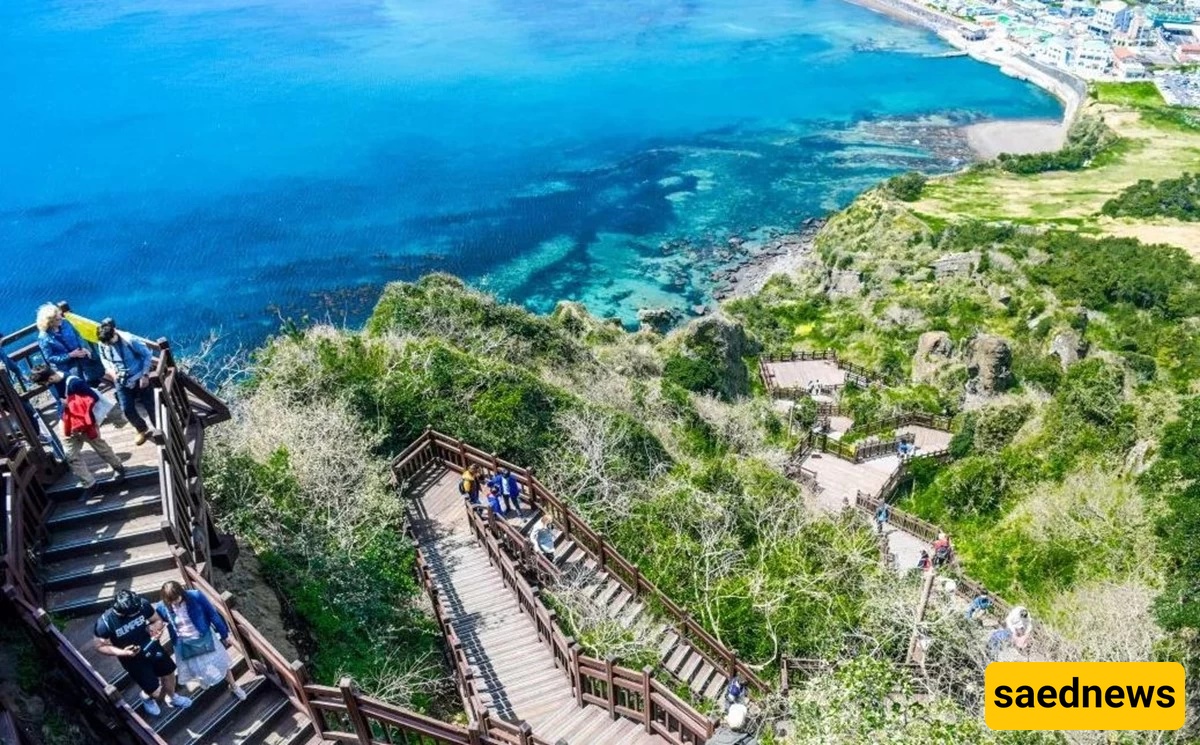
While climbing toward the summit, visitors can enjoy views of UNESCO-designated geological features, nearby villages connected by the Seongsan–Udo road, the large volcanic crater at the peak, and the surrounding blue ocean.
Hallasan National Park
Hallasan is a massive shield volcano located at the center of Jeju Island and is considered one of the island’s most important symbols. Standing at 1,950 meters above sea level, it is the highest mountain in South Korea.
The mountain can be seen from almost every part of the island, although its summit is often covered by clouds. Hallasan is also known as Yeongjusan, meaning “a mountain high enough to pull the galaxy down.”
The mountain is highly valued by scientists because of its unique geological features. Due to Jeju’s long separation from the mainland, Hallasan developed a distinctive ecosystem with rare plant and animal species.
More than 1,800 plant species and around 4,000 animal species, including approximately 3,300 insect species, have been identified in the region.
In 1970, Hallasan National Park was designated as South Korea’s ninth national park.
Udo Island
Officially known as Udo Maritime Park, this beautiful island is commonly called Udo Island by visitors. The Korean word “Udo” means “cow,” because the shape of the island resembles a cow lying on the ground.
Located about 3.5 kilometers from Jeju Island, Udo is made up of fertile flat land where agricultural products such as sweet potatoes, garlic, and peanuts are cultivated.
One of the most popular activities on Udo is renting electric bicycles. This allows visitors to explore the entire island in about four hours.
The small mountain on Udo Island is another favorite attraction among international tourists. Although it is not as high as Hallasan, it offers beautiful panoramic views. Beneath the mountain, visitors can find a sea cave where sunlight reflecting on the water creates a scene similar to moonlight during the morning hours.
Jeju Volcanic Island and Lava Tubes
The Jeju Volcanic Island and Lava Tubes consist of three major areas covering a total area of approximately 18,846 hectares. One of these areas is Geomunoreum, the only lava tube system on Jeju recognized as a UNESCO World Natural Heritage site.
With colorful carbonate formations, dark lava walls, and impressive underground structures, Geomunoreum is considered one of the finest lava tube systems in the world.
Jeju Island contains around 20 other lava caves. One of the most famous is a former volcanic lava tunnel stretching approximately 8,928 meters, recognized as one of the longest underground lava tube systems on Earth.
The Seongsan Ilchulbong area features a forest-like volcanic cone rising from the ocean. From the summit of Hallasan, visitors can enjoy views of waterfalls, uniquely shaped cliffs, and a crater filled with a lake.
The Mulyungarie-aureum wetland area is another remarkable natural site. It is the only wetland in South Korea located inside a volcanic crater.
Jeongbang Waterfall
Jeongbang Waterfall is considered one of the three most beautiful waterfalls on Jeju Island. With a height of 23 meters, its two streams of water cascade directly from a black cliff, creating a dramatic view and powerful sound.
It is famous as one of the few waterfalls in Asia that flows directly into the sea.
The surrounding cliffs and old pine trees create a spectacular landscape known as Jeongbanghapok, one of the ten scenic views of Yeongju. According to local tradition, the words “Seongbanghap” were carved into the cliffs near the waterfall.
The pools beneath the waterfall provide a refreshing place for visitors, while the rocky coastline offers a peaceful location to relax and enjoy ocean waves.
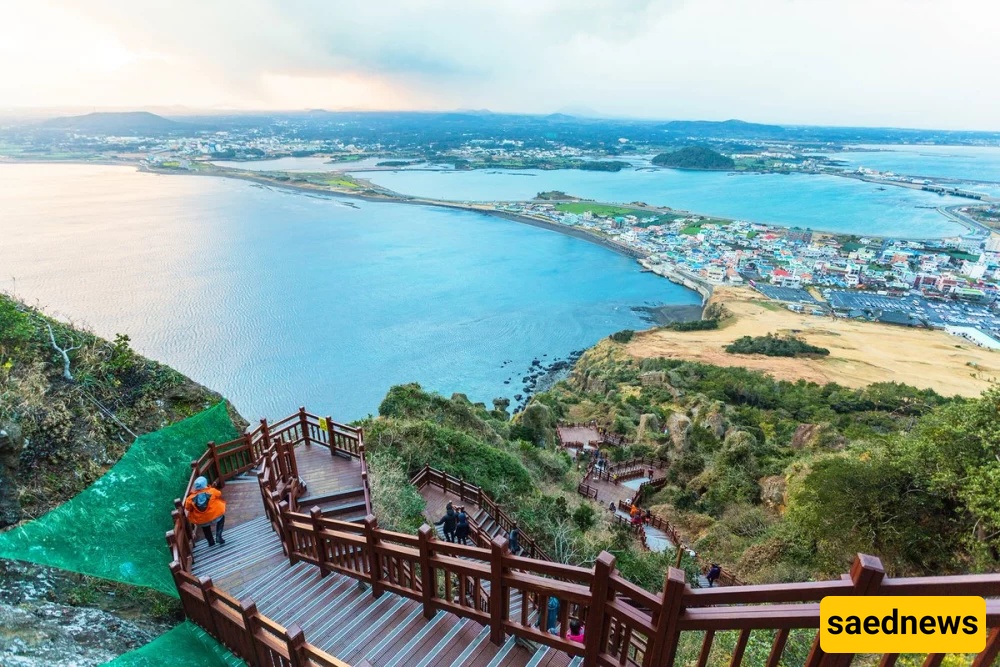
Jeju Island has a mild oceanic climate with smaller temperature variations compared with many other regions of South Korea.
During the hottest summer periods, temperatures can rise above 35.8°C, while in the coldest winter conditions they usually remain above -2.3°C. However, temperatures can vary significantly in higher mountain areas, especially around Hallasan.
With its volcanic landscapes, unique ecosystems, historical heritage, and stunning coastal scenery, Jeju Island remains one of South Korea’s most extraordinary destinations for nature lovers and travelers from around the world.