SAEDNEWS: The world could see another wave of food inflation as the Iran conflict, the Ukraine war, and El Niño disrupt agriculture. The UN Food and Agriculture Organization (FAO) warns that higher costs and lower crop yields may push food prices up in the coming months.
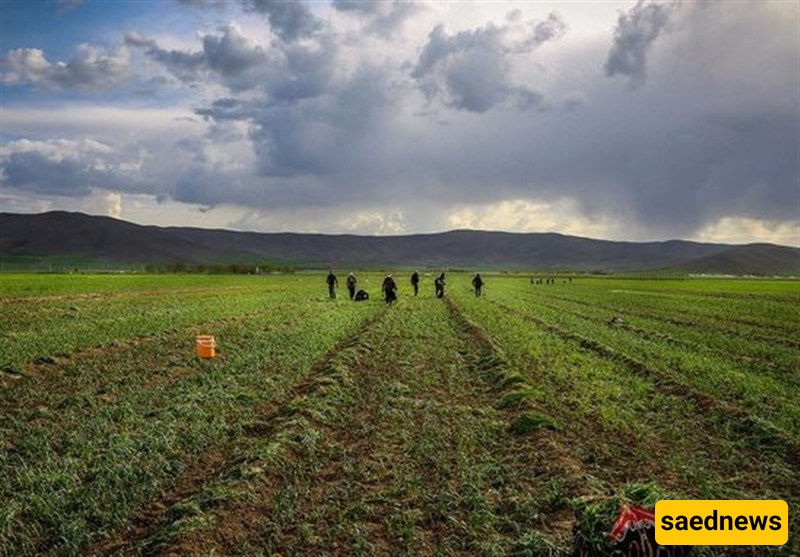
According to Saednews, Food prices played a major role in the sharp rise in global inflation during 2022. In 2026, however, food costs have remained relatively stable in many countries, helping to reduce some of the inflation caused by rising energy prices.
Experts believe this period of stability may not last. Higher crude oil prices, reduced fertilizer supplies from the Persian Gulf, diesel shortages in several regions, and extreme weather conditions are expected to increase food production costs. These higher costs could reach consumers after a delay of several months.
Máximo Torero, Chief Economist of the UN Food and Agriculture Organization (FAO), said commodity prices are likely to rise further. According to him, food prices may begin increasing by the end of this year and continue climbing in the following year because changes in commodity prices usually take three to six months to affect retail food prices.
Although the prices of crops such as wheat, maize, and rice have increased recently, current levels still reflect the impact of earlier strong harvests rather than future production challenges.
Torero explained that disruptions in the Strait of Hormuz affect agriculture worldwide because oil is essential for irrigation, processing, packaging, and transportation, while natural gas is a key ingredient in fertilizer production.
At the same time, damage to Russia’s oil and gas infrastructure has reduced exports of diesel and natural gas, creating additional pressure on global agricultural production.
Because agricultural commodity markets are interconnected, these challenges affect countries around the world. Wealthier nations may be better able to support farmers, but producers everywhere are facing rising costs and shrinking profit margins, making planting decisions more difficult.
In the United States, the American Farm Bureau Federation estimates that farmers growing major crops could face significant financial losses in 2027 without government support. The organization also expects many major crops to remain below break-even levels on a per-acre basis.
The conflict involving Iran has already reduced global wheat and corn planting, while some American farmers have switched to soybeans because they require less fertilizer.
Australia, one of the world's leading agricultural exporters, also expects winter crop production to decline by 21 percent due to higher fuel and fertilizer prices and uncertainty over input supplies.
Weather is another growing concern. A strong El Niño is expected during 2026, which could change rainfall patterns, reduce crop production, increase commodity prices, and place millions more people at risk of severe food insecurity.
In India, the monsoon season has already started late, and below-average rainfall is forecast for August. This could reduce rice production and add further pressure to global food prices.