SAEDNEWS: The World’s Longest Rivers: Discover the Nile, Amazon, Mississippi, Congo, and Other Remarkable Rivers of the World
According to Saednews, When people talk about the height of a river, you might also think about its depth and width. However, many of the world's longest rivers are not necessarily very deep or wide. In some cases, they may mainly serve local communities for fishing, washing clothes, and bathing.
A river becomes especially valuable when it is deep, wide, and long. Such rivers can support a variety of fish, accommodate numerous boats, and significantly influence the daily lives and economic activities of nearby communities.
In this article, we explore ten major rivers around the world and discover how they influence the lives of the people living along their banks.
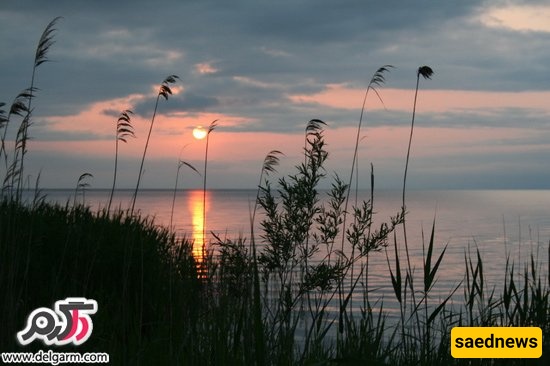
The Amur River, also known as the Heilong River in China, forms part of the border between Russia's Far East and northeastern China. It provides an important source of water and other resources for the communities living nearby.
The river flows for approximately 4,444 kilometers before reaching the Sea of Okhotsk region. Its drainage basin creates beautiful natural landscapes across northeastern Asia. The Amur River eventually flows toward the Pacific Ocean through the Tatar Strait.
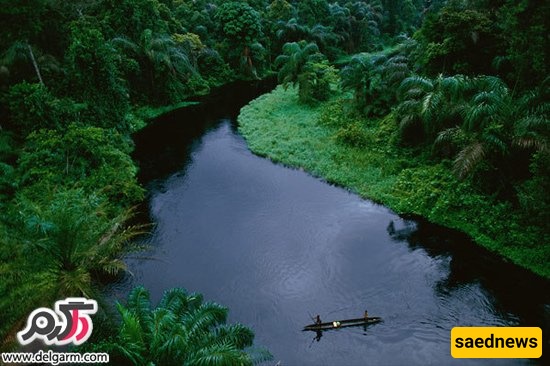
The Congo River, formerly known as the Zaire River, is the deepest river in Africa and is widely recognized as the deepest river in the world. In some sections, its depth reaches approximately 228 meters.
With a length of around 4,700 kilometers, the Congo River ranks among the longest rivers in the world. It is also essential to the ecosystems, transportation networks, and livelihoods of communities throughout Central Africa.
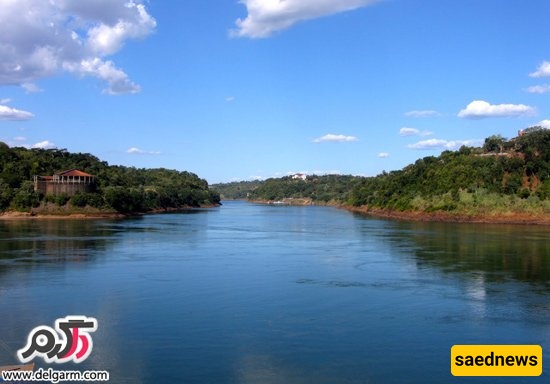
The Paraná River flows through South America, passing through Brazil, Paraguay, and Argentina. Unlike some rivers known for their muddy appearance, the Paraná can display beautiful blue tones in certain locations.
Its name is often interpreted as meaning “like the sea” or “as great as the sea,” reflecting the river's impressive scale. With a length of approximately 3,998 kilometers, the Paraná is one of South America's most significant waterways.
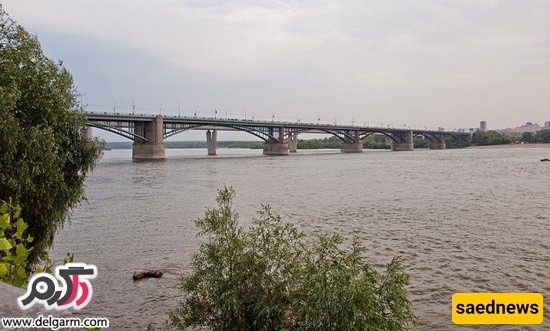
The Ob River is located in Siberia, Russia, and ultimately flows into the Arctic Ocean. Its estuary, known as the Gulf of Ob, is an enormous inlet where freshwater mixes with saltwater.
Much of the river's water comes from its major tributaries, including the Biya and Katun rivers, which originate in the Altai Mountains. The Ob River is an important geographical feature of western Siberia and ranks among the world's major river systems.
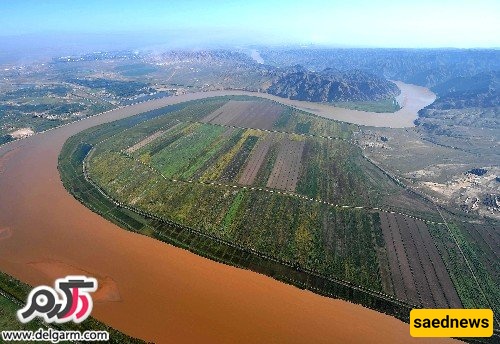
The Yellow River, also known as Huang He, originates in the Bayan Har Mountains of China. It flows for approximately 5,464 kilometers before emptying into the Bohai Sea.
Often called the cradle of Chinese civilization, the Yellow River has played a major role in China's agricultural development, history, and cultural heritage. Despite its importance, it is also known for carrying large amounts of sediment, which gives its waters their distinctive yellowish color.
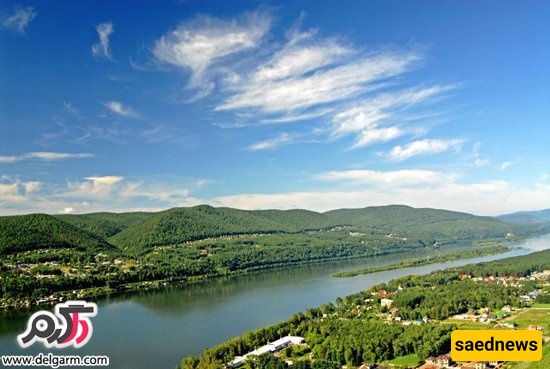
The Yenisei River is one of Asia's major rivers. It originates in the region of northern Mongolia and flows northward through Siberia in Russia before reaching the Arctic Ocean.
With a total length of approximately 5,538 kilometers, it is one of the longest river systems in the world.
The Yenisei is formed by two principal branches. The Great Yenisei, also known as the Biy-Khem, rises in the eastern Sayan Mountains, while the Little Yenisei, or Kaa-Khem, originates in the Darkhad Valley in northern Mongolia.
The river is vital to Siberia's natural ecosystems and supports hydroelectric power generation and regional transportation.
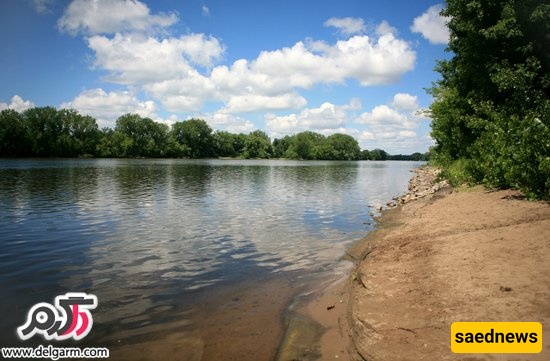
The Mississippi River originates in Minnesota, United States. It travels through a large portion of the country, following a winding course before reaching the Gulf of Mexico through the Mississippi River Delta.
The river supports a wide range of transportation and commercial activities. Passenger boats, paddleboats, barges, and tugboats regularly travel along its waters.
The Mississippi River system is also essential to American agriculture, trade, industry, and the development of communities throughout its basin.
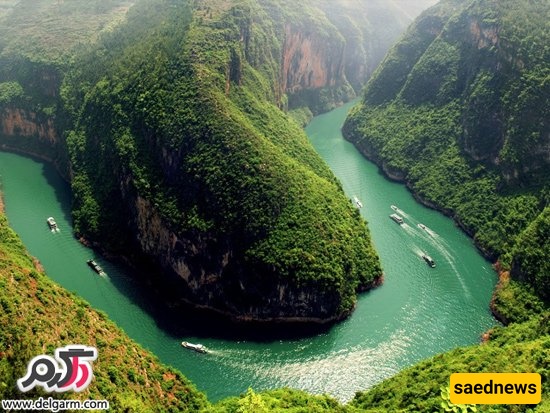
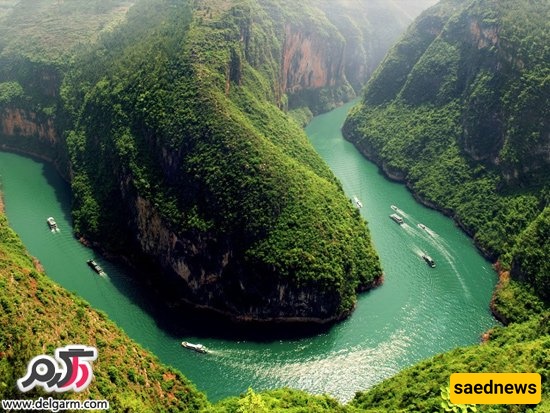
The Yangtze River, known in Chinese as Chang Jiang, is the longest river in Asia and the third-longest river in the world. It extends for more than 6,380 kilometers.
The river originates in Qinghai Province in western China and flows eastward before emptying into the East China Sea.
Traditionally, the Yangtze has been considered a geographical dividing line between northern and southern China, although the Huai River also serves as a traditional boundary.
One of its most remarkable landmarks is the Three Gorges Dam, one of the world's largest hydroelectric power projects. The Yangtze plays a crucial role in China's agriculture, transportation, energy production, and economic development.
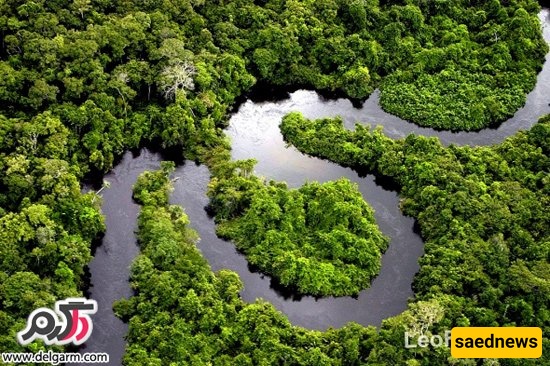
The Amazon River is the world's largest river by water discharge. Located in South America, it flows across a vast region before emptying into the Atlantic Ocean.
At its mouth, the Amazon releases an enormous volume of freshwater into the ocean. The river has numerous tributaries, forming the largest river drainage basin in the world.
The Amazon River system covers an immense area and carries a substantial proportion of the freshwater discharged by rivers worldwide. Its basin supports extraordinary biodiversity, extensive tropical rainforests, and millions of people whose lives depend on its natural resources.
The Amazon is also one of the most important ecosystems on Earth, playing a major role in global climate patterns and the carbon cycle.
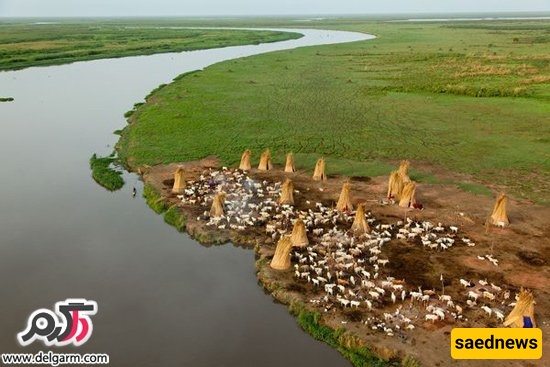
Although the Nile is not always considered the longest river under every measurement method, it is particularly remarkable because it flows through or borders eleven countries in northeastern Africa.
These countries are:
Egypt
Ethiopia
Uganda
Eritrea
Kenya
Democratic Republic of the Congo
Tanzania
Sudan
Rwanda
Burundi
South Sudan
The Nile stretches for approximately 6,936 kilometers, passing through diverse landscapes and supporting communities across the region.
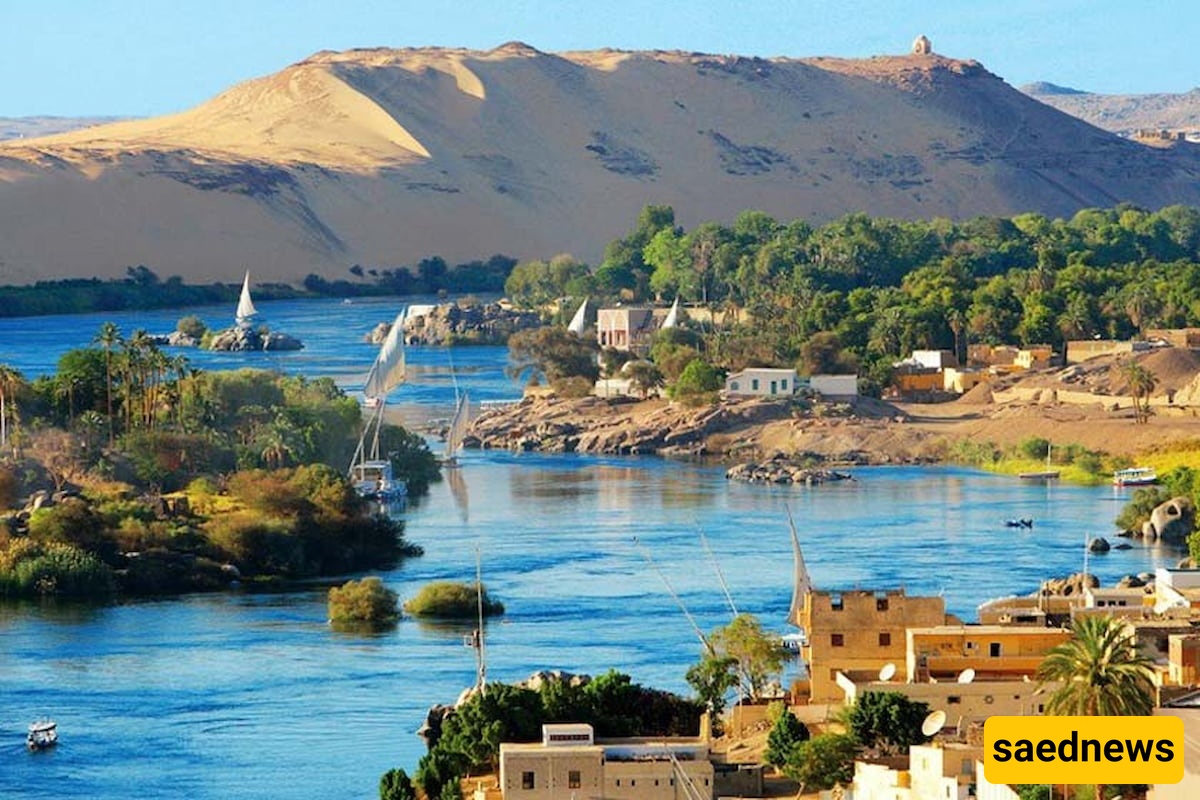
For thousands of years, the river has been essential to agriculture, transportation, trade, and human settlement. Ancient Egyptian civilization developed along its banks, and today the Nile remains a vital source of freshwater for millions of people.
Its waters continue to play a central role in the economies, food production, and daily lives of communities throughout northeastern Africa.