SAEDNEWS: Kailasa Temple, located in the Ellora Caves of India, is one of the most magnificent rock-cut temples in the country. This extraordinary structure is part of a vast complex of 34 caves, temples, and monasteries carved into the rock.
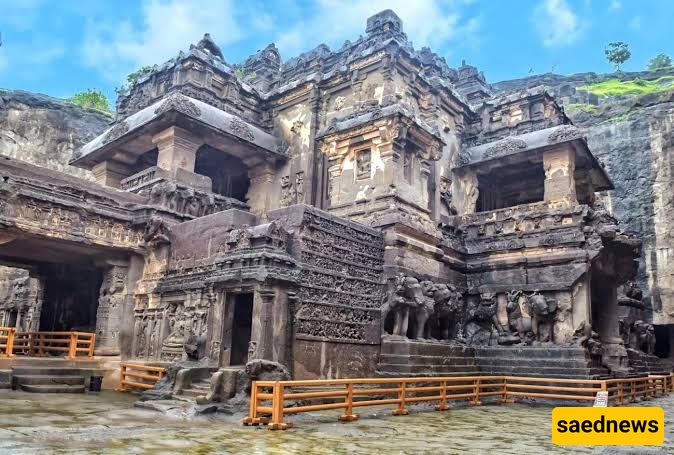
According to Saednews, Kailasa Temple is often described as one of the world’s great architectural wonders. Located within the Ellora Caves in India, it is one of the most magnificent rock-cut temples in the country.
The temple is part of the Ellora complex, which contains 34 caves, temples, and monasteries. Located about 30 kilometers from Aurangabad in the western Indian state of Maharashtra, the complex features structures dating from approximately 600 to 1000 AD. Its remarkable architecture and cultural significance have earned Ellora a place on the UNESCO World Heritage List.
Among the many impressive structures at Ellora, Kailasa Temple is undoubtedly one of the most famous.
This extraordinary rock-cut temple is one of Maharashtra’s most popular tourist attractions and one of India’s remarkable historical sites. Travelers from around the world visit it to see one of the largest monolithic structures ever created.
Kailasa Temple is located near the city of Aurangabad, Maharashtra. It is Cave 16 of the Ellora Caves and is part of the larger complex of approximately 30 major caves traditionally associated with the site.
Planning to visit this extraordinary human-made monument? The best period for exploring the Ajanta and Ellora Caves is generally between June and March. Although the sites can be visited for much of the year, the intense summer heat during April and May can make exploration uncomfortable. Winter is considered one of the most pleasant seasons for visiting the caves.
Kailasa Temple is one of the largest historical monuments in India carved from a single piece of rock. Its enormous scale, sophisticated architecture, and unique construction technique make it one of the most remarkable rock-cut temples in the country.
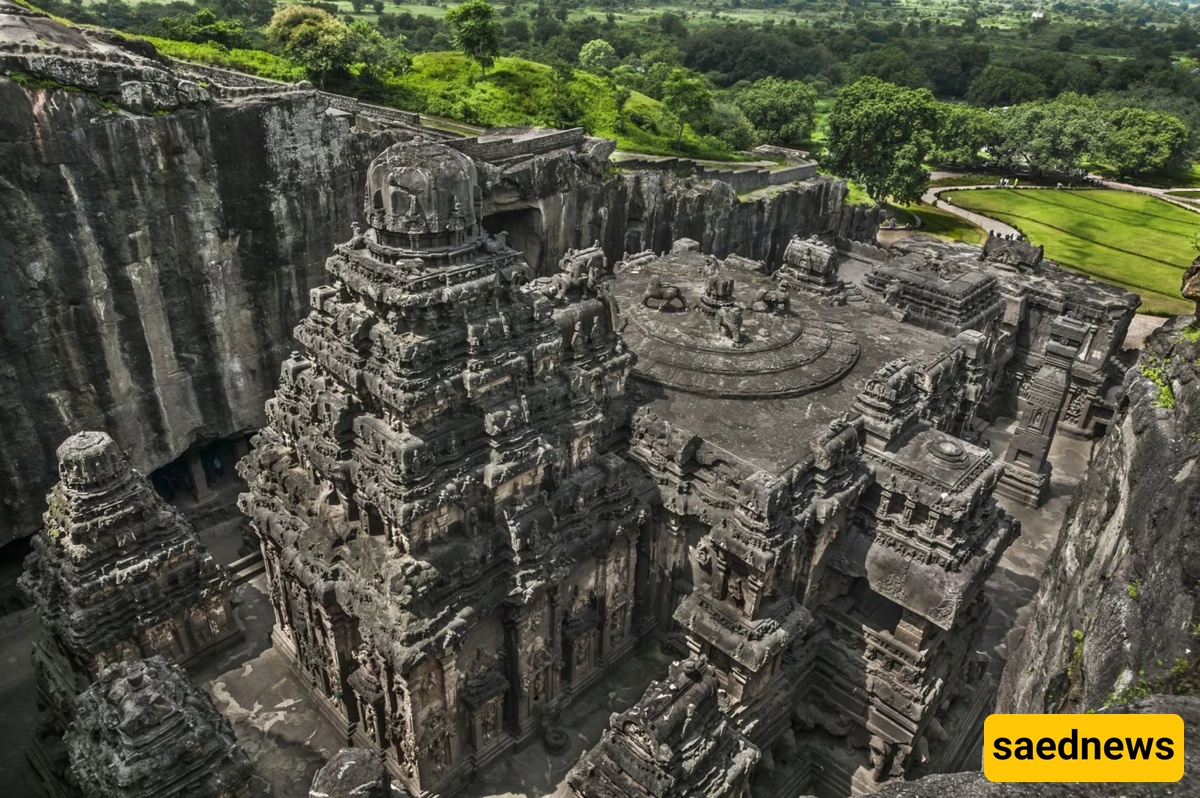
The temple is located at Ellora, a UNESCO World Heritage Site in Maharashtra, India. Ellora is one of the world’s largest rock-cut monastic and temple complexes, featuring Hindu, Buddhist, and Jain monuments and artworks dating from approximately 600 to 1000 AD.
Although many details about the construction of this magnificent monument remain uncertain, historians generally date the temple to the 8th century, approximately between 756 and 773 AD. It is traditionally attributed to King Krishna I of the Rashtrakuta dynasty.
The temple is dedicated to Lord Shiva and was designed to represent Mount Kailash in the Himalayas, traditionally regarded as Shiva’s abode. Its extraordinary construction method is one of the features that distinguishes Kailasa from other temples.
Kailasa Temple was carved from the top downward rather than constructed piece by piece. Without modern machinery or cranes, craftsmen removed enormous quantities of rock using hand tools such as hammers and chisels.
It is estimated that approximately 200,000 tons of rock were removed during the excavation. As the artisans worked downward through the rock, they created separate shrines, enormous sculptures, pillars, halls, and intricate architectural details.
The temple was essentially revealed from a single massive block of stone.
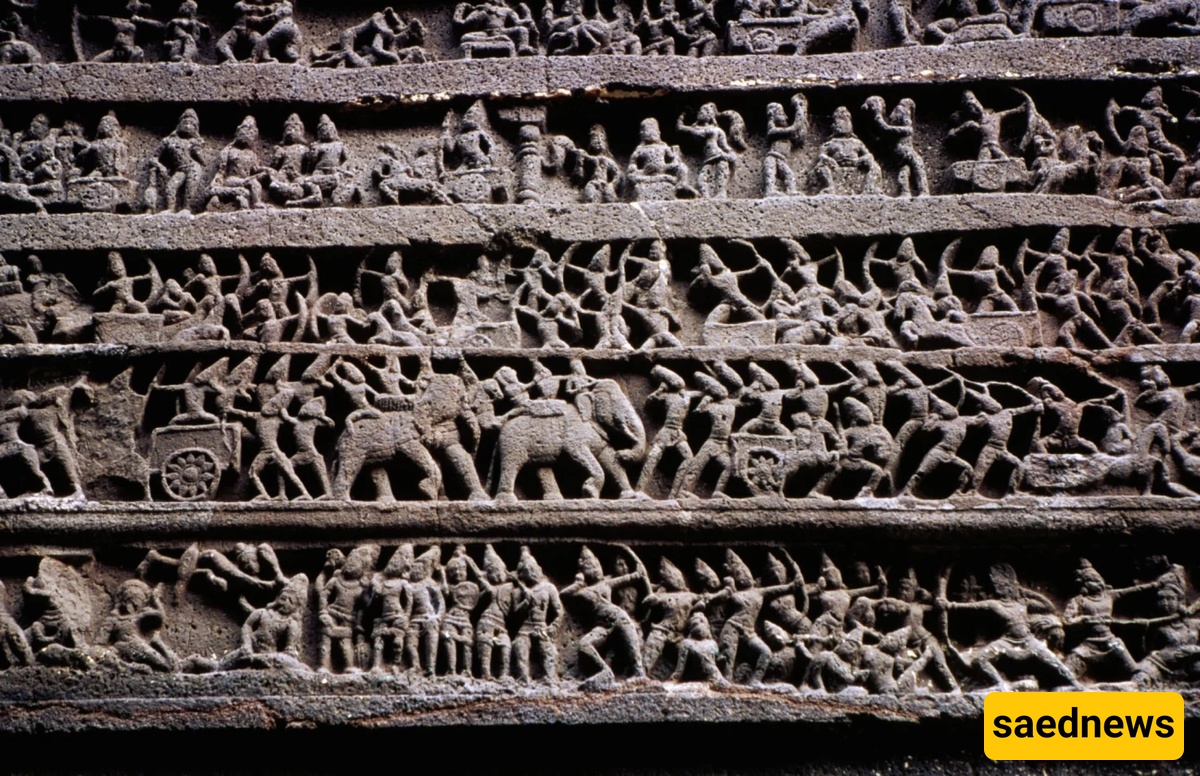
Kailasa Temple contains numerous sculptures and carvings depicting Hindu deities, particularly Lord Shiva, to whom the temple is dedicated. Sculptures associated with Lord Vishnu and other Hindu traditions can also be found throughout the complex.
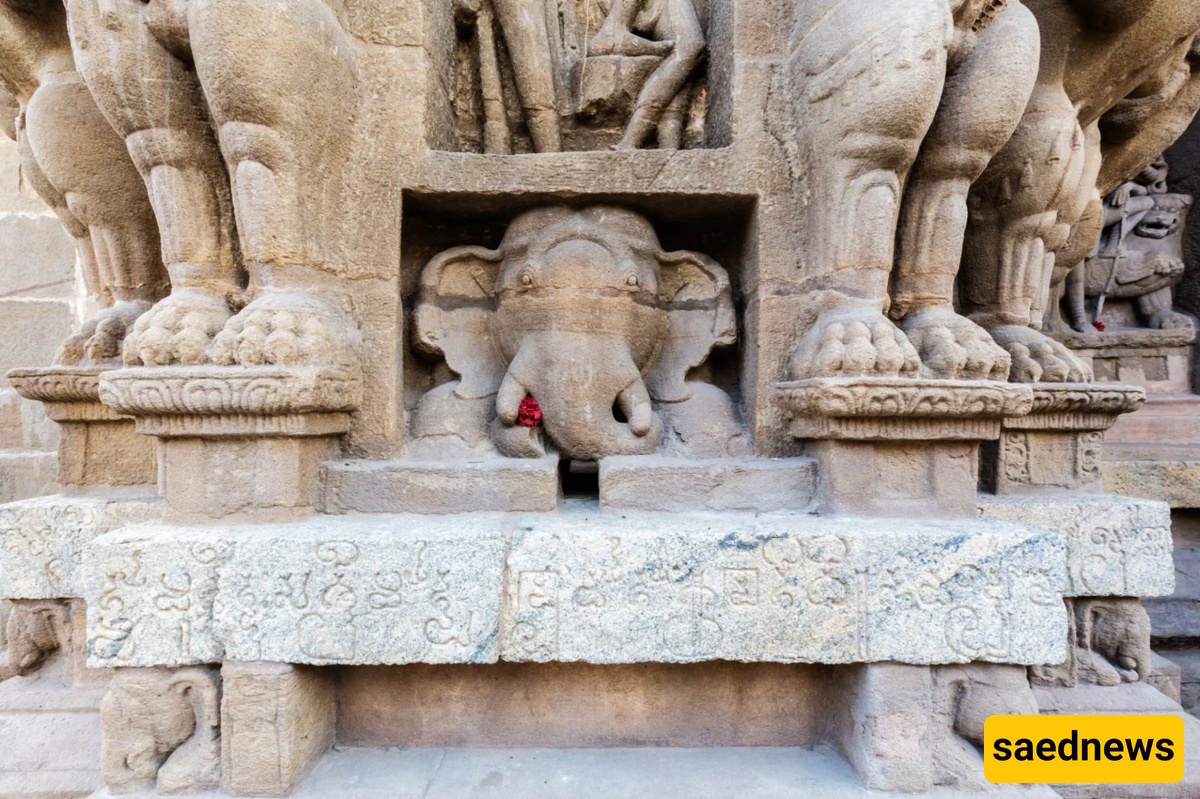
At the base of the temple, elaborate carvings appear to show elephants and other figures supporting the massive structure.
Inspired by Mount Kailash, the temple follows the essential design principles of a Hindu temple. It features an entrance gateway, an assembly hall, the main multi-level shrine surrounded by smaller sanctuaries, a circumambulatory passage, and a towering structure designed to evoke the sacred mountain.
All of these elements were carved from the same rock.
Other deities represented in the sculptures include Ganga, Yamuna, Saraswati, Vishnu in several forms, and Vedic deities such as Indra, Agni, Vayu, Surya, and Usha. The complex also contains depictions of Ganesha, Ardhanarishvara—a combined form of Shiva and Parvati—Harihara, a combined form of Shiva and Vishnu, Annapurna, Durga, and many other deities.
The lower levels of the temple contain numerous sculptures associated with Shaivism, Vaishnavism, and Shaktism. One notable series depicts episodes from the childhood of Krishna, an important figure in Vaishnavism.
The entire monument is a multi-level, freestanding temple complex. Its enormous scale is often compared with some of the world’s greatest monumental structures. Estimates suggest that approximately three million cubic feet of rock were excavated to create the temple.
To visit both the Ajanta and Ellora Caves, travelers can reach Aurangabad by train, bus, or air. From Aurangabad, visitors can join organized tours or travel independently to the ancient cave complexes.
The approximate distances from Delhi, Mumbai, Kolkata, and Bengaluru are 1,215 km, 341 km, 1,713 km, and 962 km respectively.
Aurangabad is well connected to the Indian railway network. Major Indian cities, including Delhi, Mumbai, and Chennai, have railway connections to the city, making train travel a convenient option for reaching the region.
Aurangabad Airport, officially known as Chikkalthana Airport, is located approximately 11 kilometers from the city center. It provides air connections with major Indian cities, including Hyderabad, Mumbai, and Delhi.
Aurangabad is well connected by road. Regular buses and taxis are available from Mumbai, Shirdi, Pune, and other cities. For longer journeys, however, travelers may find rail or air travel more convenient.