SAEDNEWS: Palau is one of the world’s finest destinations for nature tourism, thanks to its stunning and unique natural beauty.
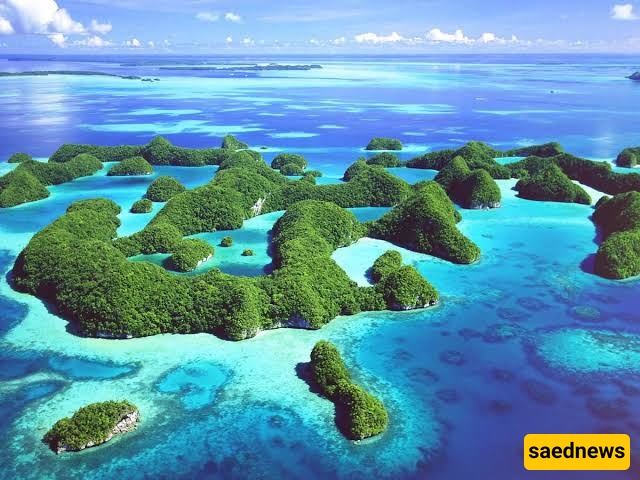
According to Saednews, There are many countries around the world that have become popular destinations for nature lovers because of their breathtaking landscapes. Travelers visit these places to experience spectacular scenery and enjoy the beauty of the natural environment.
Palau, officially known as the Republic of Palau, is an island country in Oceania and is considered one of the world's most beautiful travel destinations. It is an archipelago made up of eight main islands and more than 250 smaller islands. The country's capital is Ngerulmud, located in the state of Melekeok.
Palau covers an area of approximately 603 square kilometers, of which around 459 square kilometers is land and the remainder is water. The country has a population of nearly 22,000 people. Approximately 70 percent are Palauan, 15 percent Filipino, 5 percent of Chinese descent, and the rest come from various other backgrounds.
The main languages spoken in Palau are Palauan and English. Christianity and Modekngei are among the country's main religions. Palau uses the US dollar as its official currency and became an independent country in 1994.
Thanks to its favorable climate, agriculture is an important activity in Palau. However, tourism is the country's most significant source of income. Its spectacular landscapes, pleasant climate, lush vegetation, diverse wildlife, and beautiful marine environment have made Palau a paradise for nature enthusiasts.
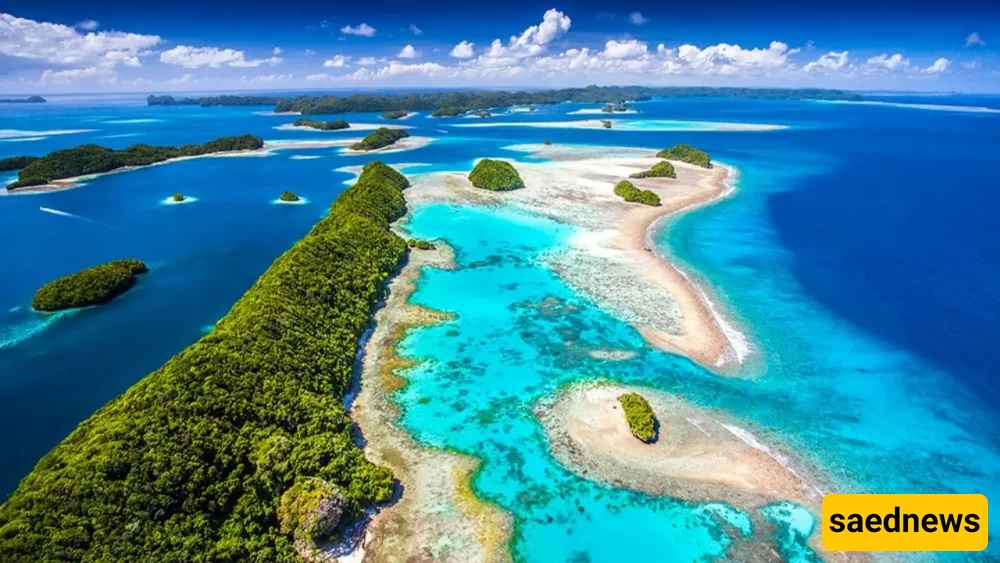
The Palau archipelago is located in Oceania, in the western Pacific Ocean. It is approximately 800 kilometers from the Philippines and around 3,200 kilometers from Tokyo.
Palau shares maritime boundaries with Indonesia, the Philippines, and the Federated States of Micronesia. The most populated areas include Koror, Peleliu, and Babeldaob, while nearly 200 of the country's islands are uninhabited.
Palau has a long history, with the earliest evidence of human settlement dating back approximately 3,000 years. Early settlers are believed to have arrived from the Philippines and established communities on the islands.
Around 900 years ago, another group of people also arrived in Palau. Over the centuries, the islands came under the influence or control of several major powers, including Spain, Germany, Japan, and the United States.
Palau eventually gained independence in 1994 and established itself internationally as the Republic of Palau.
Palau has a warm tropical climate, with rainfall possible throughout the year. Despite the frequent rain, the islands also enjoy plenty of sunshine. The average temperature is around 28°C, while annual rainfall can reach approximately 3,800 millimeters.
Palau can be visited throughout the year, and each season offers opportunities to enjoy its natural beauty. However, travel between July and October may be less convenient because of heavier rainfall. The period from November to April can also be extremely hot, so visitors should take the weather conditions into consideration when planning their trip.
Palau is renowned for its spectacular scenery, dense forests, pristine beaches, and pleasant tropical climate. The islands offer numerous natural attractions and outdoor activities.
Diving is one of the most popular activities in Palau. The islands are surrounded by exceptionally clear waters filled with fascinating marine life, making them an outstanding destination for underwater exploration.
Some well-known diving locations include Blue Corner, German Channel, Long Island Park, Ulong Channel, and Blue Holes.
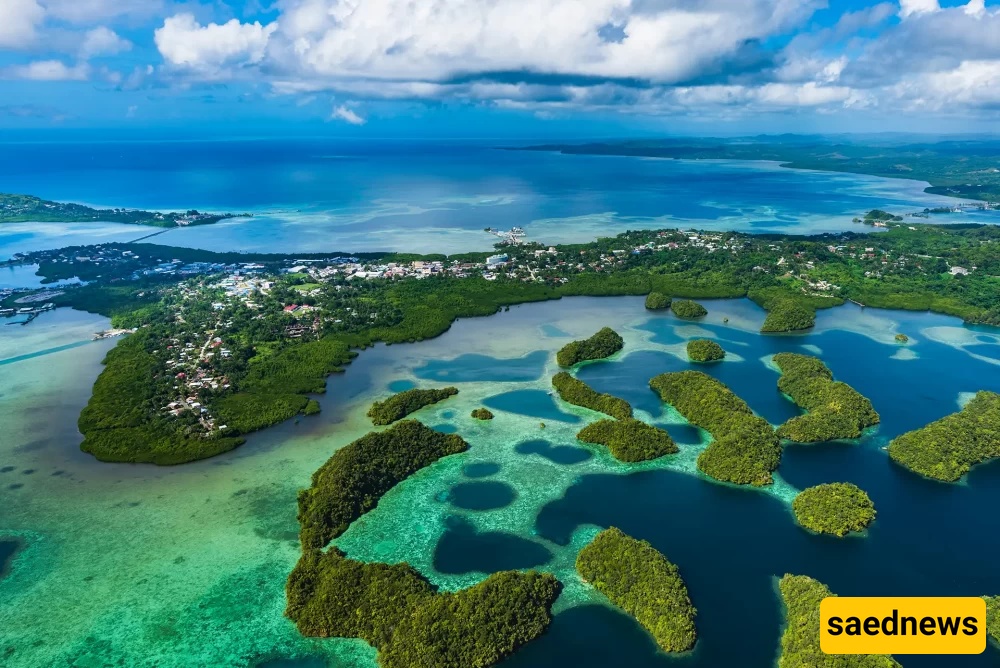
Koror is one of the most developed and populated areas of Palau, with around two-thirds of the country's population living there. It is considered the country's main economic and commercial center.
Visitors can find busy streets, modern shopping centers, attractive architecture, historical sites, museums, restaurants, luxury hotels, and a variety of other facilities.
Ngardmau Waterfall is one of Palau's notable natural attractions. Located on the island of Babeldaob, it is associated with the country's highest peak, Mount Ngerchelchuus, which rises to approximately 217 meters.
The route to the waterfall can be short but challenging. Nevertheless, the surrounding scenery and natural beauty make the journey worthwhile.
Located in southern Palau, Jellyfish Lake is famous for its large population of jellyfish. The lake's unique marine environment provides visitors with an extraordinary opportunity to see these fascinating creatures up close.
The large number of jellyfish creates an impressive natural spectacle, particularly when viewed under suitable conditions.
In an ancient area of Babeldaob, there are hills covered with numerous basaltic and monolithic stones. Their exact origins remain uncertain, and various legends and stories surround the formation and mysteries of this remarkable landscape.
The Ngerchelechus forests are among the densest forest areas in Palau. They are home to numerous tree species as well as several types of birds, including species that are considered endangered.
The forests offer an excellent opportunity to experience Palau's rich biodiversity and natural environment.
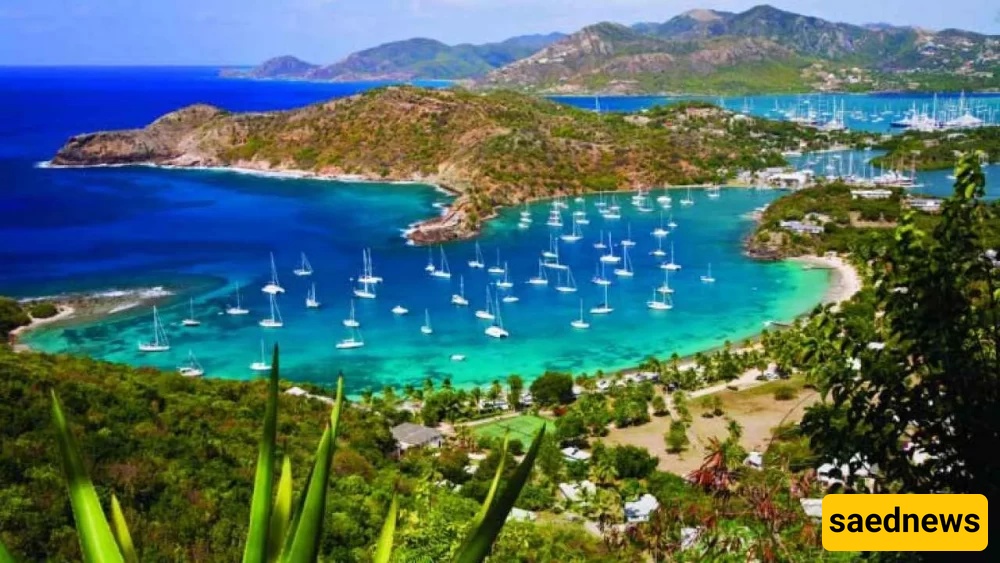
Boating is another enjoyable activity in Palau and can be experienced in many parts of the islands. Nikko Bay is considered one of the attractive locations for boating and offers visitors additional facilities and attractions, including shopping areas, art exhibitions, an aquarium, and a museum.
The Belau National Museum is one of the oldest museums in Micronesia. Established in 1955, it is an important cultural attraction in Palau and provides an opportunity to learn more about the country's history and heritage.
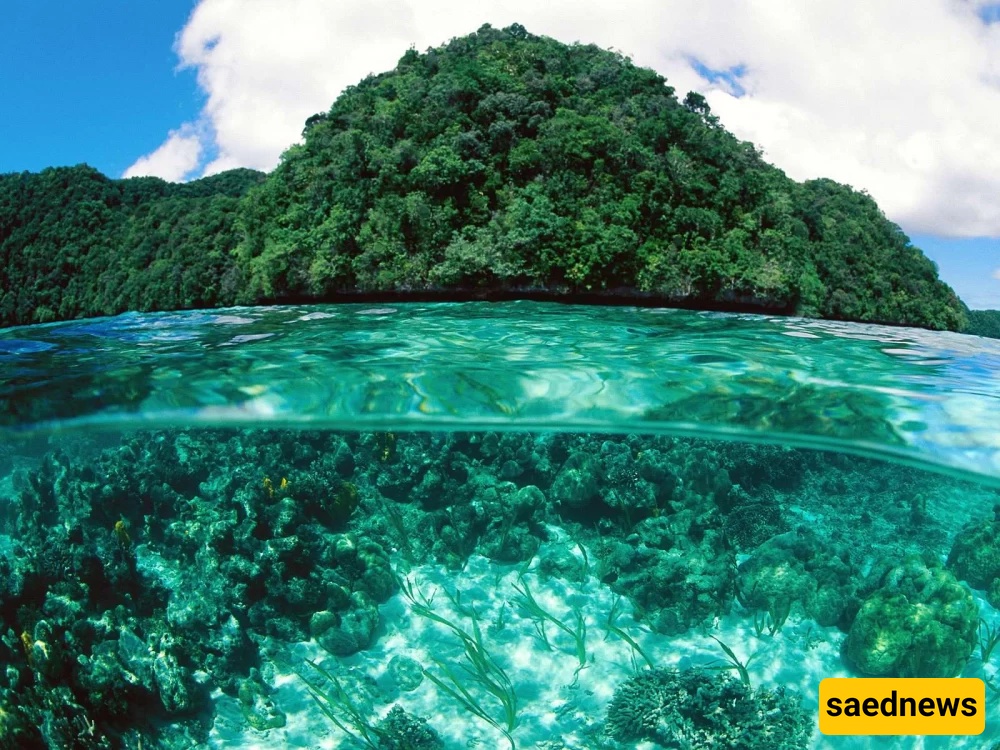
Palau is renowned for its extraordinary natural beauty and is often described as one of the world's remarkable natural destinations.
Visitors should check the latest visa requirements before traveling, as entry rules vary according to nationality.
Palau promotes responsible tourism, and visitors are expected to respect the environment and help protect the country's fragile ecosystems.
Smart cards and electronic payment methods can be used at many businesses, although payment options may vary between establishments.
Due to its small population, Palau generally has relatively low levels of crime.
Palau's roads are not only practical and generally safe for travelers, but they also pass through beautiful landscapes, making road trips an enjoyable part of exploring the islands.
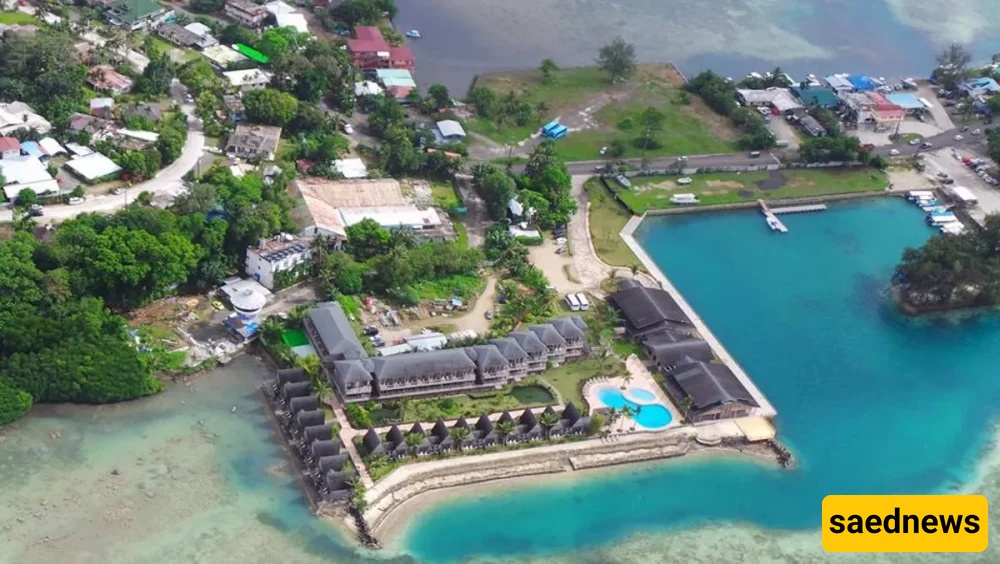
Palau has a range of hotels and accommodations for visitors, with many of them located in and around Koror.
Palau is an exceptional destination for travelers who enjoy nature, marine life, adventure, and peaceful island landscapes. From world-class diving sites and unique Jellyfish Lake to dense tropical forests, waterfalls, and fascinating cultural attractions, the country offers a remarkable combination of natural beauty and outdoor experiences.