SAEDNEWS: This article explores the differences between thyme and oregano, covering everything from their appearance and flavor to their characteristics, roles in Iranian and international cuisine, health benefits, uses, prices, market demand, storage methods, and common misconceptions about these two herbs.
According to Saednews, Many people encounter herbs such as thyme and oregano when buying spices or using aromatic herbs in cooking. At first glance, they may assume that these two herbs are exactly the same. Some even believe that oregano is simply the foreign name for thyme and that there is no difference between them. However, although thyme and oregano share many similarities and both belong to the mint family, they differ in flavor, appearance, culinary uses, and even their potential health benefits. These differences become important when choosing herbs for cooking, preparing herbal teas, or using them for traditional medicinal purposes.
Confusing thyme with oregano can change the final flavor of a dish or prevent you from getting the particular benefits you are looking for.
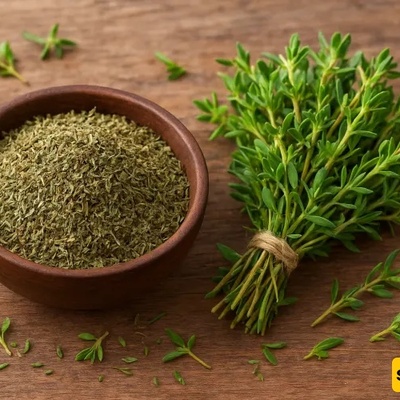
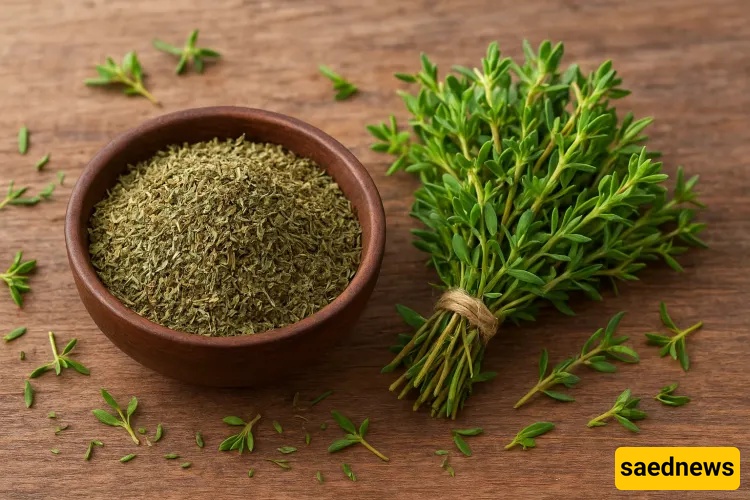
Thyme is one of the best-known aromatic herbs used in cooking and traditional medicine. In Iran, particularly in mountainous regions, wild thyme is widely available and has been used in traditional remedies for centuries.
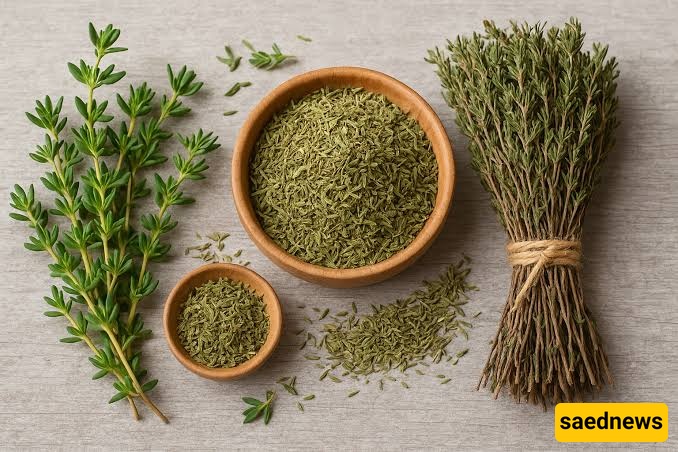
Thyme typically has small, oval-shaped, light-green leaves and produces a strong, warm aroma. It is available fresh, dried, and ground, and is also used to prepare herbal teas, syrups, and drops.
Thyme is commonly used in Iranian cuisine, stews, soups, rice dishes, and hearty meals. It is also one of the most widely used herbs for soothing coughs, and many herbal syrups available on the market contain thyme.
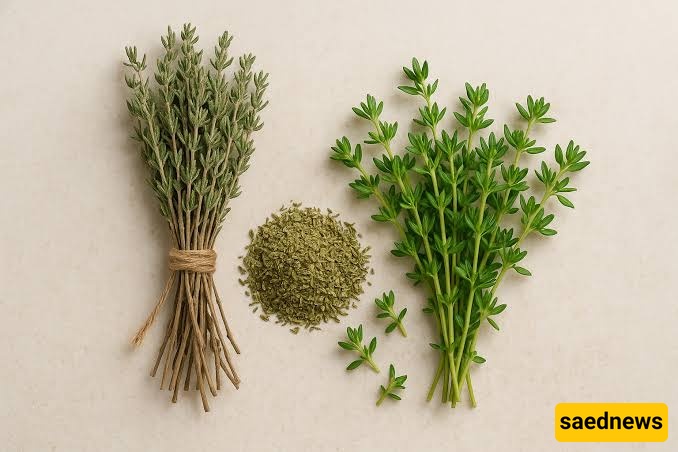
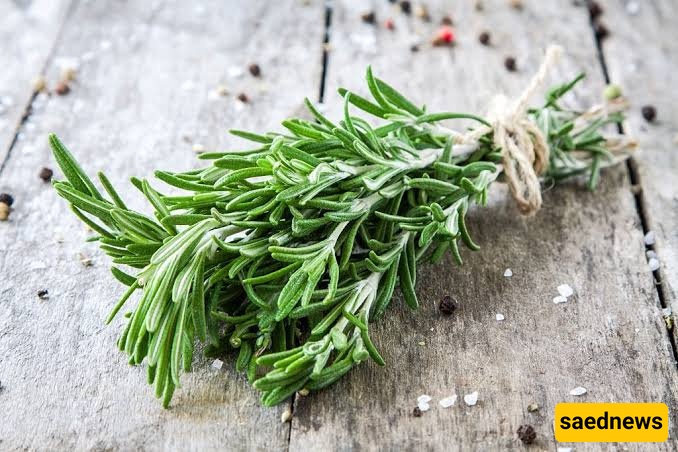
Oregano, also known as wild marjoram in some contexts, is an aromatic herb with leaves that are slightly broader than those of thyme and generally darker green.
The name “oregano” is particularly associated with Italian, Greek, and Mediterranean cuisine. If you have ever ordered Italian-style pizza or pasta, you are probably familiar with its distinctive flavor. Like thyme, oregano is available both fresh and dried.
Compared with thyme, oregano has a milder flavor with earthy, warm notes and a gentle sharpness. For this reason, it is commonly used in salads, pizzas, sauces, and lighter dishes.
The short answer is no. Although thyme and oregano share many similarities, they have important differences that make each herb suitable for different culinary and traditional medicinal applications.
The confusion arises because both herbs belong to the mint family and have warm, aromatic flavors. However, just as mint differs from basil and marjoram differs from other related herbs, thyme and oregano have their own distinctive characteristics.
At first glance, these herbs may be difficult to distinguish, but a closer look reveals several differences.
Thyme: Has smaller, finer leaves.
Oregano: Has larger, rounder leaves.
Thyme: Usually has lighter green leaves.
Oregano: Generally has darker green leaves, sometimes with a slightly grayish tint.
Thyme: Its leaves are relatively thin and delicate.
Oregano: Its leaves are somewhat thicker and fleshier.
Thyme: Usually grows as a shorter plant.
Oregano: Often develops into a taller, more spreading bush.
One of the most important ways to distinguish these herbs is by their taste and smell.
Has a strong, warm, slightly sharp flavor.
Produces a more pronounced and distinctive aroma.
Works well in dishes that require a bold herbal flavor.
Has a milder, earthier flavor.
Generally has a less sharp aroma than thyme.
Is particularly suitable for light dishes and Mediterranean cuisine.
If you have ever eaten authentic Italian pizza, much of its characteristic herbal flavor may come from oregano rather than thyme.
Each herb works better in certain types of dishes.
Soups
Stews
Hearty dishes such as beans, lentils, and traditional meat broths
Red meat dishes
Iranian cuisine
Herbal tea blends
Pizza
Pasta
Caesar salad
Italian-style sauces
Mediterranean dishes
Light chicken and fish dishes
If you want a strong, bold herbal flavor in traditional Iranian cooking, thyme may be the better choice. If you prefer a milder, more layered flavor, oregano may be more suitable.
Both herbs contain beneficial plant compounds, although their composition and potential effects differ.
May help soothe coughs.
May help relieve throat irritation.
May support digestion.
May help reduce bloating.
Contains compounds with antibacterial activity.
May help ease some cold-related symptoms.
Thyme contains active compounds that have been studied for their potential effects on respiratory symptoms. It is widely used in herbal preparations intended to relieve coughs and throat irritation.
However, herbal remedies are not substitutes for medical treatment, and the strength of the evidence varies depending on the preparation and intended use.
May support digestion.
May help relieve mild digestive discomfort.
Contains compounds with anti-inflammatory activity.
Has traditionally been used in preparations intended to promote relaxation.
Can enhance food flavor and help reduce the amount of salt needed in some recipes.
Oregano is particularly valued for its flavor, as well as for the beneficial plant compounds it contains. However, evidence for many claimed medicinal effects remains limited, especially when it comes to using oregano as a treatment for specific conditions.
In Iran, thyme is more widely recognized and has long been used in cooking and herbal teas. Oregano, by contrast, is more strongly associated with Mediterranean and Italian cuisine and has become increasingly popular in Iranian cooking in recent years.
In many European and American countries, oregano is a common seasoning for everyday meals. In Iran, thyme generally remains the more familiar and widely used herb.
In the Iranian market, thyme is often more affordable than oregano. Oregano may be more expensive because of imports or the relatively limited availability of locally grown supplies.
However, the final price depends on several factors, including quality, brand, origin, and whether the herb is sold fresh or dried.
Yes, but the result depends on the dish.
In many Iranian recipes, thyme works well. However, if you want a milder herbal flavor, oregano may be a better choice.
In pizza and pasta, replacing oregano with thyme can noticeably change the flavor. The result may taste sharper and less characteristic of traditional Italian seasoning.
If you need a substitute, you can generally use thyme in place of oregano, but start with a smaller amount and adjust according to taste.
Both herbs can be stored for extended periods when properly dried and protected from moisture.
To preserve their flavor and aroma:
Keep them in an airtight container.
Store them away from direct sunlight and moisture.
Keep them away from excessive heat.
Prefer glass containers over plastic when practical.
Avoid storing them near a stove or other sources of steam.
Dried herbs generally retain their quality longer when stored in cool, dark, and dry conditions.
Thyme is more commonly used in traditional remedies for coughs, colds, throat irritation, and other respiratory symptoms.
Oregano has traditionally been used to support digestion and for its potential anti-inflammatory properties, although the strength of clinical evidence for these uses varies.
In Iranian traditional medicine, thyme has historically held a more prominent place than oregano.
Some of the most common mistakes include:
Assuming that oregano and thyme are the same herb.
Using thyme instead of oregano in pizza without considering the change in flavor.
Giving excessive amounts of thyme to children without appropriate medical guidance.
Storing either herb in a damp environment.
Buying thyme that has been adulterated or mixed with other plants.
Assuming both herbs have identical flavors and effects.
Thyme is often preferred in Iranian dishes that feature rich flavors and warm spices. Some people also add a small amount of thyme to yogurt or other foods to enhance their flavor.
In Iran, oregano is more commonly used in fast-food-style dishes such as pizza and lasagna, as well as in salads. In recent years, some professional chefs have also experimented with oregano in Iranian recipes to introduce new flavor combinations.
Thyme is generally the more popular choice for herbal tea.
Has a stronger herbal flavor.
Is traditionally used to soothe coughs.
Is considered a warming herbal drink.
Oregano can also be prepared as an herbal infusion, but this is less common. Its use as a relaxing or digestive herbal drink is largely based on traditional practices rather than strong clinical evidence.
Thyme and oregano both contain plant compounds with antimicrobial activity in laboratory studies. However, there is insufficient clinical evidence to conclude that either herb reliably strengthens the human immune system more than the other.
Thyme is particularly well known for its traditional use in respiratory herbal preparations, but this does not mean it can prevent or cure infections.
Oregano is widely used in Mediterranean cooking to enhance flavor, potentially making it easier to reduce the amount of salt added to certain dishes.
Thyme can serve a similar purpose. The better choice depends on the recipe and your personal taste preferences.
Thyme and oregano may look similar, but they are not the same herb. They differ in leaf size, aroma, flavor, culinary applications, and traditional uses.
Choose thyme when preparing hearty dishes, Iranian recipes, soups, stews, or herbal teas traditionally used to soothe coughs.
Choose oregano when preparing pizza, pasta, Mediterranean sauces, and salads that benefit from its distinctive earthy flavor.
Both herbs can be valuable additions to your kitchen. Understanding their differences will help you choochoose the right seasoning for each dish and make better use of their distinctive flavors.