SAEDNEWS: Bananas can appear to turn black surprisingly quickly, especially after reaching full ripeness. Temperature changes, natural ripening gases, bruising, moisture, and exposure to cold can all accelerate skin darkening. Understanding these factors can help you store bananas properly and keep them fresh-looking for longer.
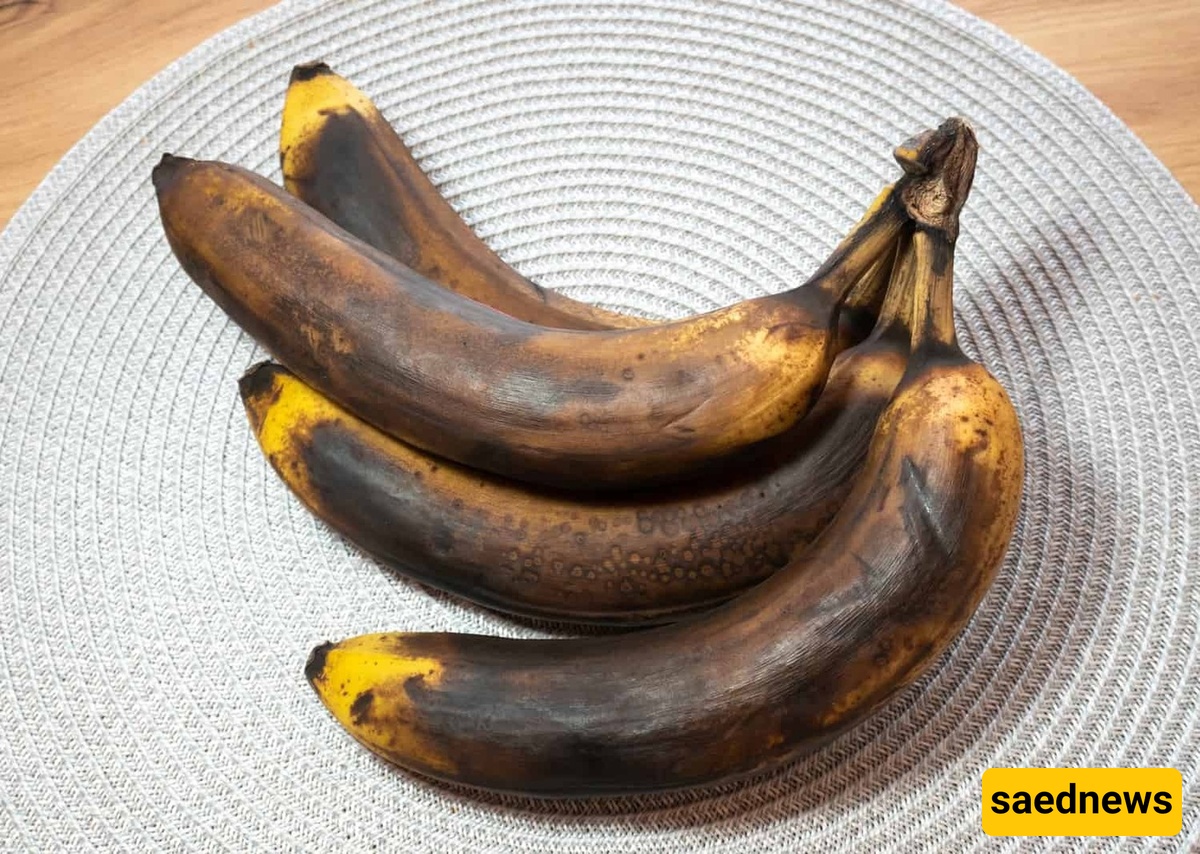
According to SAEDNEWS, bananas naturally produce ethylene, a gas that helps fruit ripen. As bananas become fully ripe, ethylene production increases, causing the peel to change from yellow to brown and eventually dark brown or black. A banana that looks fine in the evening may therefore show significant color changes by the next morning.
Temperature strongly affects how quickly bananas ripen. Warm conditions can accelerate the process, while very cold temperatures may damage the peel and cause it to darken. Keeping bananas in a moderate, stable environment can help slow unwanted changes in their appearance.
Physical pressure is another common reason bananas develop black areas. Dropping, squeezing, or placing heavy items on bananas can damage the cells beneath the peel. These injured areas gradually become brown or black, sometimes making the fruit look much more overripe than it actually is.
Excess moisture around the peel can contribute to faster deterioration, particularly when bananas are already ripe. Poor ventilation may also encourage changes in the skin. Keeping bananas dry and allowing some airflow around them can help maintain their appearance for longer.
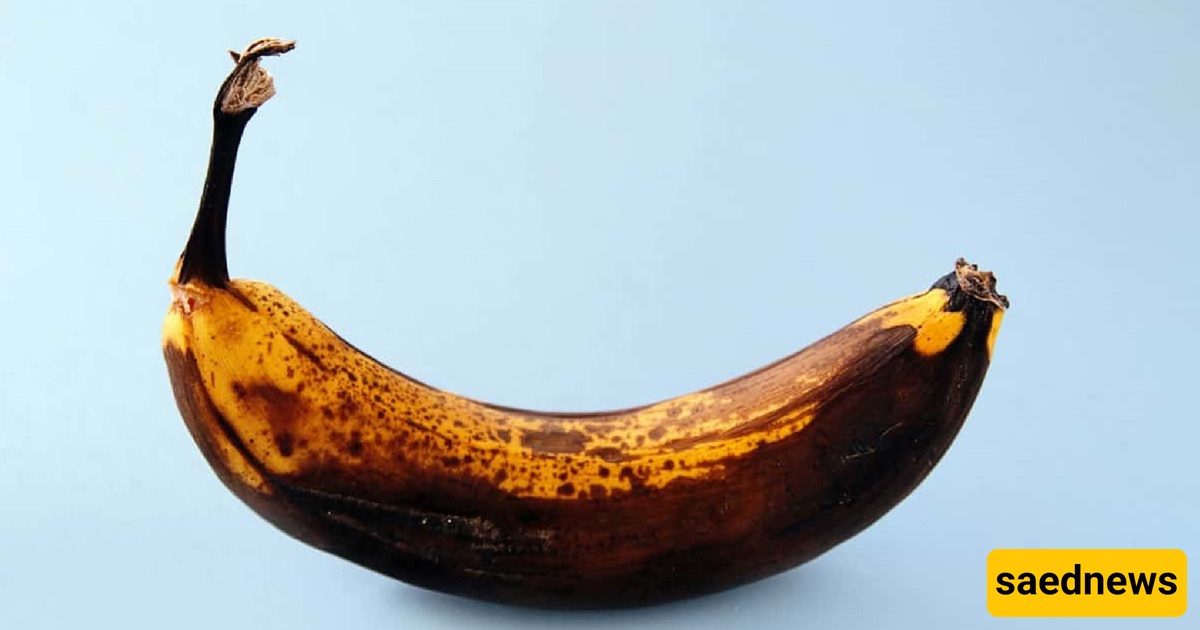
Store bananas away from direct sunlight and excessive heat, and avoid stacking heavy fruits or objects on them. Separating very ripe bananas from less-ripe ones can also help manage ripening. Once bananas become very soft and heavily darkened, check the smell, texture, and inside of the fruit before deciding whether they are still suitable for eating.