SAEDNEWS: Some fruits release natural gases that can speed up ripening and spoilage in nearby produce. Understanding how fruits interact during storage can help keep them fresh for longer, reduce food waste, and maintain better quality.
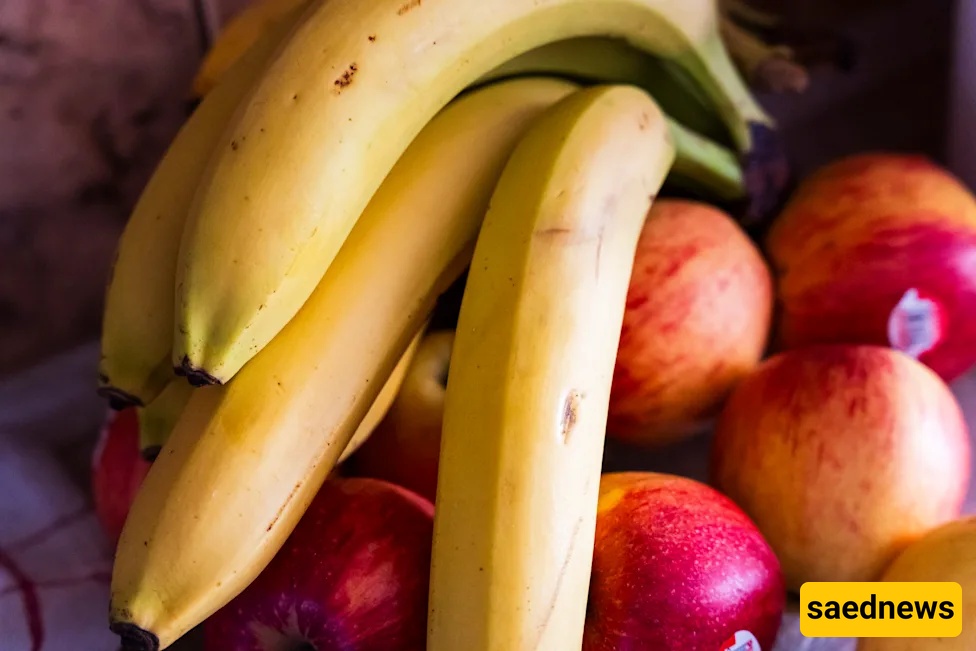
According to SAEDNEWS, the way fruits are stored can affect how quickly they ripen and deteriorate. Certain fruits naturally release ethylene, a plant hormone that encourages ripening. When ethylene-sensitive fruits are placed nearby, they may ripen faster, eventually becoming soft, discolored, or spoiled.
Some fruits produce more ethylene than others, particularly as they mature. Fruits such as apples, bananas, pears, peaches, and avocados can release significant amounts of this gas. When several ethylene-producing fruits are kept in a confined space, the gas can accumulate and accelerate the ripening process.
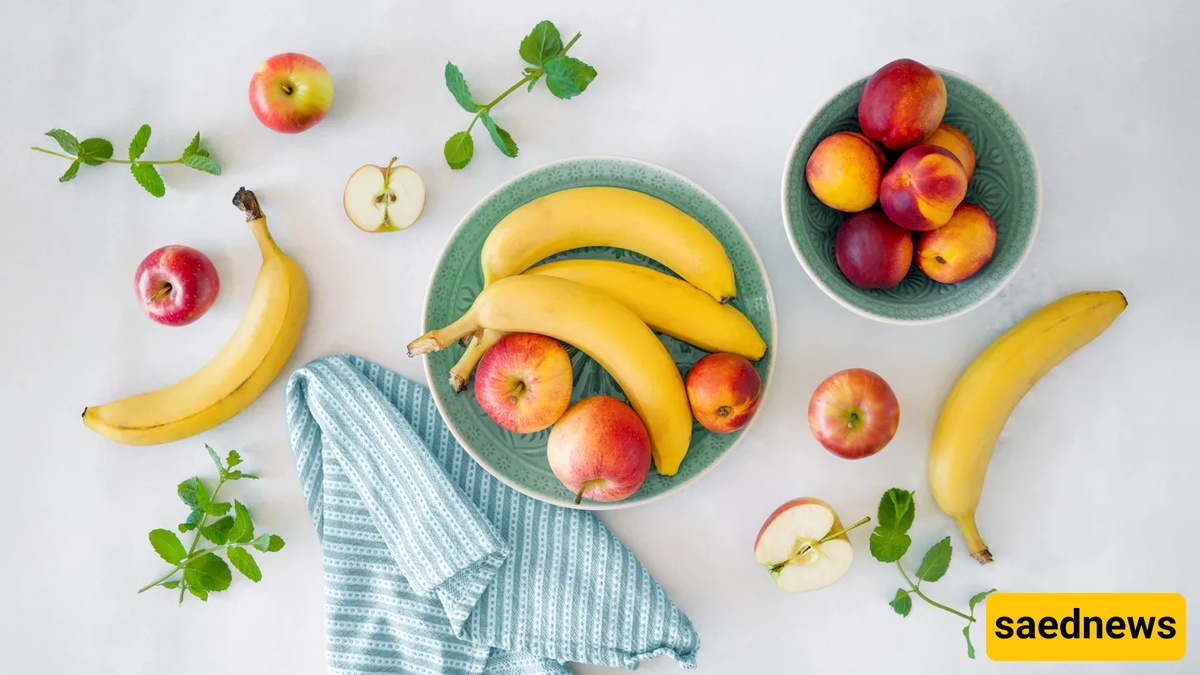
Not every fruit reacts to ethylene in the same way. Some produce can be particularly sensitive to it and may soften or lose quality sooner when stored close to high ethylene producers. Separating sensitive fruits from strong ethylene producers can therefore help slow unwanted ripening.
Spoilage is not caused by ethylene alone. Fruits stored tightly together can trap moisture, especially when they have damaged or overripe areas. Moist conditions can encourage mold growth, while direct contact can allow decay to spread from one piece of fruit to another.
Keeping fruits with different ripening behaviors in separate areas can extend their freshness. Overripe or damaged pieces should also be removed promptly, while fruits should be stored in clean, dry conditions with enough air circulation. Checking stored produce regularly can prevent one spoiled fruit from affecting the others.