SAEDNEWS: Wrinkled fruit is often showing signs of moisture loss rather than immediate spoilage. As fruits lose water through their skin, their tissues gradually shrink, causing the surface to become soft, loose, and wrinkled. Temperature, humidity, storage conditions, and the fruit’s natural structure can all influence how quickly this happens.
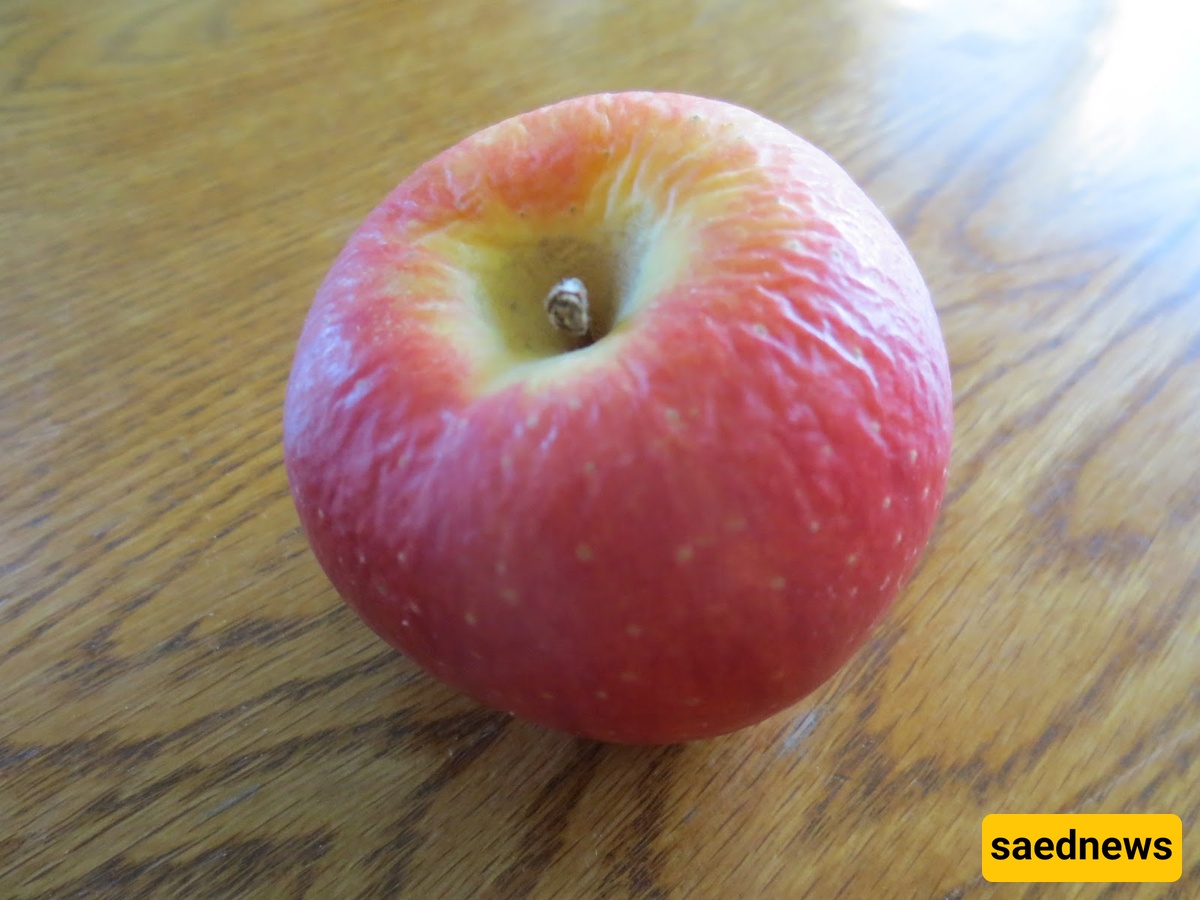
According to SAEDNEWS, the main reason some fruits develop wrinkles before they spoil is water loss. Fresh fruits contain a large amount of water, which helps keep their cells firm and their skin smooth. Over time, moisture naturally moves from the fruit into the surrounding air, especially when the storage environment is dry. As the cells lose water, the fruit loses some of its firmness and the surface begins to contract.
Fruit skin does not always lose moisture at the same rate as the inner tissues. When water gradually escapes through tiny openings in the skin, the inner structure becomes less full while the outer layer becomes loose. This difference can create small folds and wrinkles. Fruits with relatively thin or flexible skins may show these changes more clearly than fruits with thicker, firmer outer layers.
Storage temperature also affects how quickly fruit changes. Warm and dry conditions can increase moisture movement from the fruit into the air, causing the surface to lose its smooth appearance sooner. Very cold conditions can also affect certain fruits by changing their texture and cellular structure. Keeping fruit under suitable storage conditions can therefore help slow down visible aging.
A wrinkled fruit is not necessarily spoiled. Some fruits may remain suitable to eat even after they become slightly soft or wrinkled, provided they do not show signs such as mold, an unusual smell, leaking, or extensive discoloration. Wrinkling mainly indicates that the fruit has lost some of its water and freshness. Checking the fruit’s overall appearance, smell, and texture is more useful than judging it by wrinkles alone.
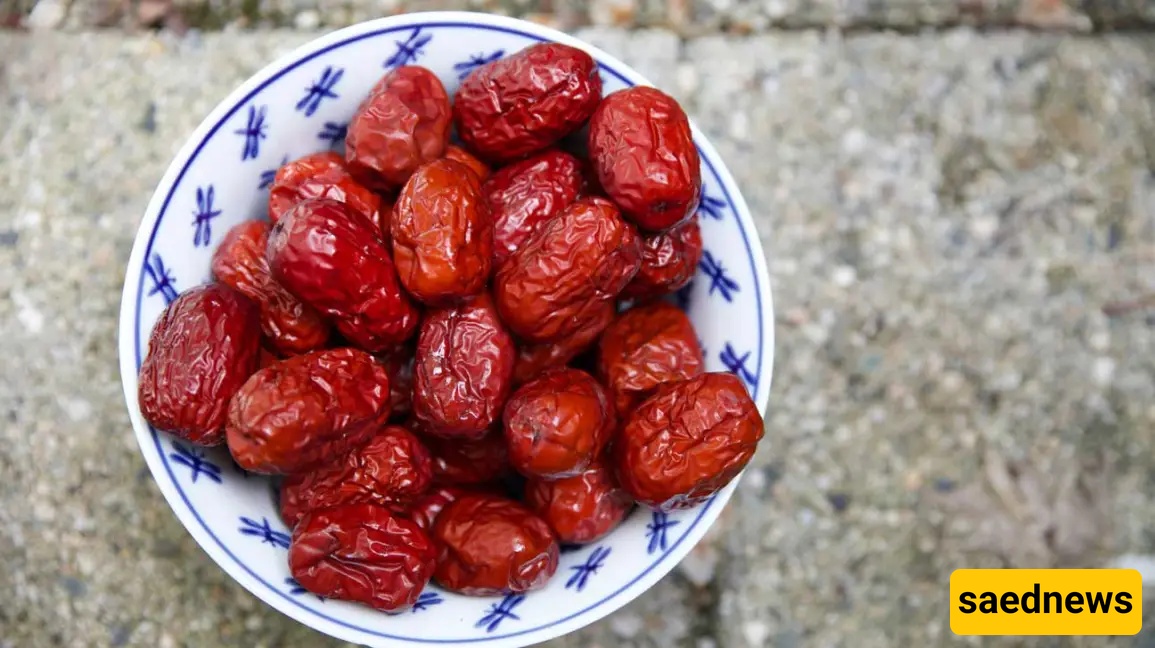
Reducing unnecessary moisture loss can help fruit stay firm for longer. Appropriate storage conditions, avoiding excessive exposure to dry air, and keeping fruits in suitable containers or storage areas can slow dehydration. However, different fruits have different storage needs. Understanding these differences can help maintain their texture and freshness and reduce avoidable food waste.