SAEDNEWS: In this report, you'll learn more about five animals that are the result of artificial selection and were developed through deliberate human intervention.
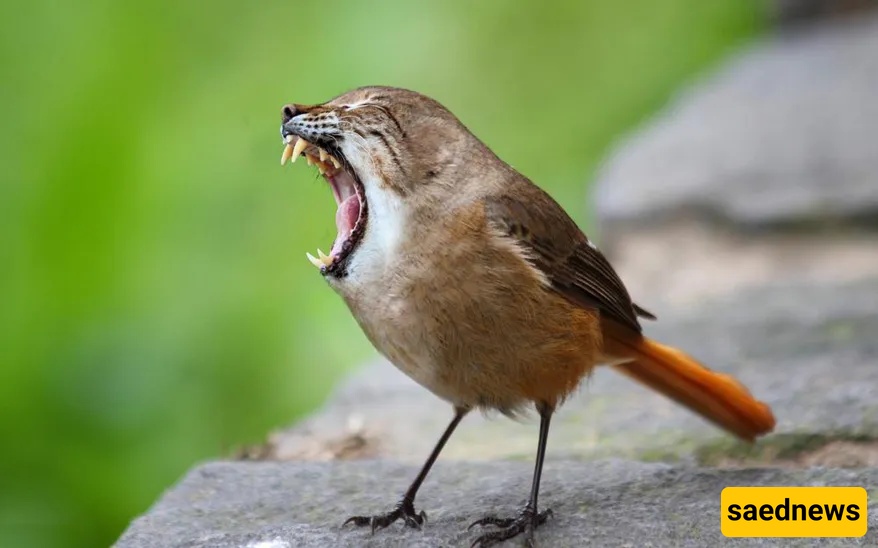
According to Saednews, Humans have created many unusual and hybrid animals through artificial selection, also known as selective breeding. Artificial selection is the process in which people deliberately breed plants or animals over many generations to enhance specific traits they desire. In other words, it is the human-guided process of changing a species through selective mating.
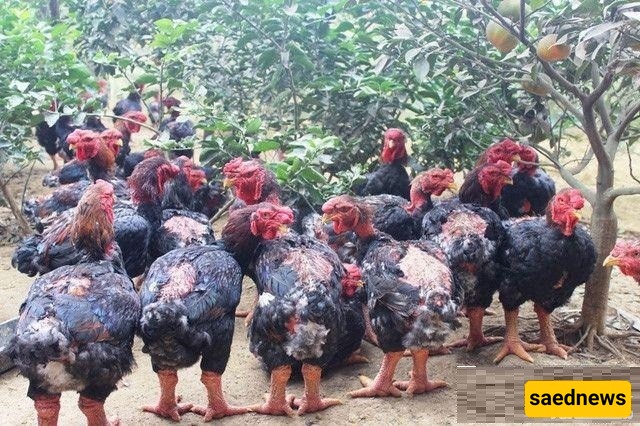
The Dong Tao chicken, also known as the Dragon Chicken, is famous for its unusually large, thick legs. While many people find these legs unattractive, they are considered a delicacy in some parts of the world and can sell for hundreds of dollars per serving.
Unlike ordinary chickens, Dong Tao chickens were selectively bred specifically for their oversized legs. However, these birds have difficulty walking and lay relatively few eggs. They require careful breeding and constant human care, making it unlikely that they could survive in the wild without assistance.
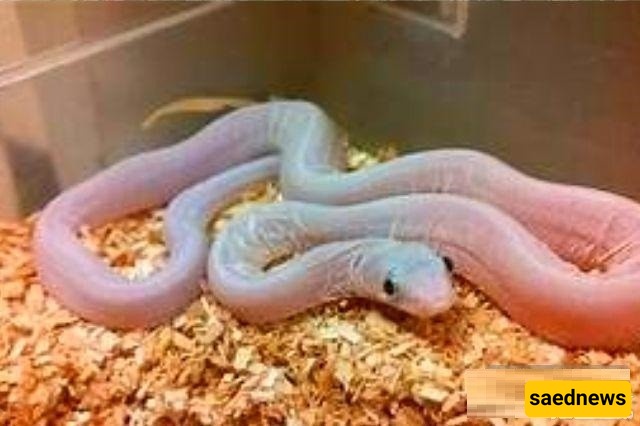
Compared to the Dragon Chicken, the scaleless snake is even more controversial. These snakes were developed primarily for experimental purposes rather than practical benefits.
Scaleless snakes are the result of selective breeding and lack the protective scales that ordinary snakes possess. As a result, they are highly vulnerable to injuries and predators, including small mammals. Although naturally occurring genetic mutations can occasionally produce scaleless snakes, they are extremely rare and do not form stable wild populations. Without human care, these snakes would struggle to survive in their natural environment.
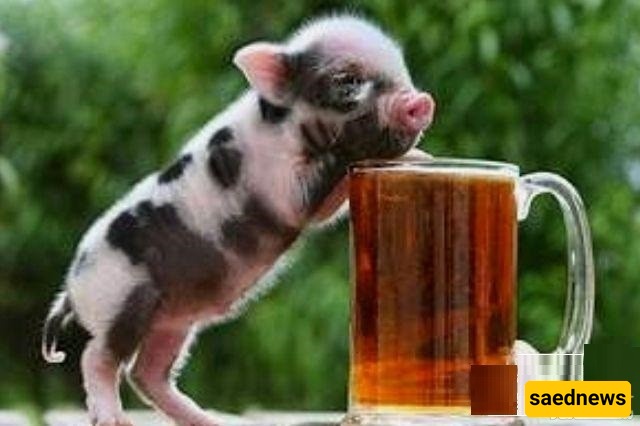
Teacup pigs are often marketed as miniature pets due to their small size. However, they are not a distinct breed, and many continue to grow if they receive proper nutrition and care.
In some cases, breeders intentionally restrict their food intake to keep them small. Poor nutrition prevents proper bone development while the skin and internal organs continue to grow, leading to painful deformities and serious health problems. Their tiny appearance often comes at the cost of their long-term welfare.
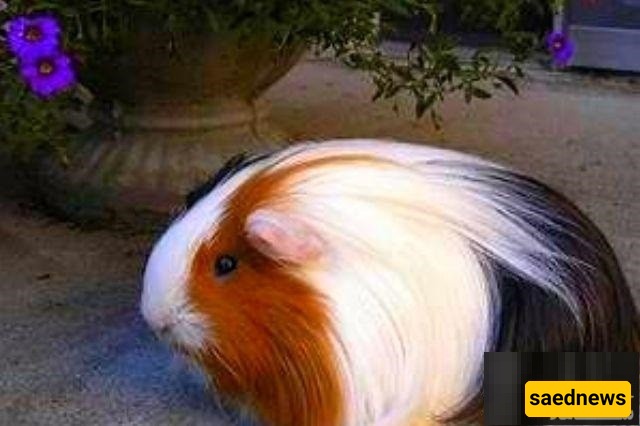
The Peruvian Satin guinea pig is a cross between the Peruvian guinea pig and the American Satin guinea pig. It inherits the long flowing hair of the Peruvian breed and the glossy, silky coat of the American Satin breed.
Although these guinea pigs are attractive and popular as pets, they often suffer from a hereditary condition known as Satin Syndrome. This genetic disorder causes abnormal calcium metabolism, resulting in painful bone disease, reduced mobility, and a lower quality of life compared to other guinea pigs.
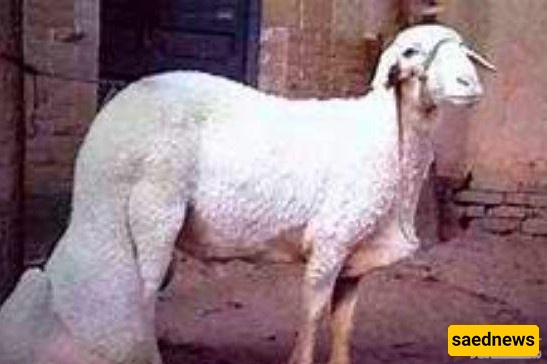
Fat-tailed sheep have been selectively bred to develop exceptionally large tails that store fat as an energy reserve. This trait has been valued in various regions where the fat is traditionally used in cooking and cuisine.
However, the extremely large tails of some selectively bred varieties can reduce mobility and may require additional human management and care. Like many animals developed through intensive selective breeding, they depend on continued human intervention to maintain their health and well-being.