SAEDNEWS: Animal welfare laws were not always the same. In the past, animals were sometimes put on trial like humans, and some were even sentenced to death.
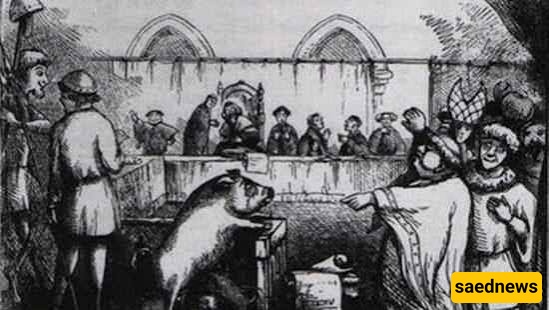
Throughout history, humans have lived alongside domesticated animals, bringing them from their natural habitats into farms and homes. Today, modern society generally accepts that animals act according to instinct and are not morally responsible for their actions. Dangerous animals may be euthanized to protect public safety, and pests are routinely exterminated. However, this was not always the case. In earlier centuries, animals were sometimes treated like human criminals, brought before courts, and even sentenced to death.
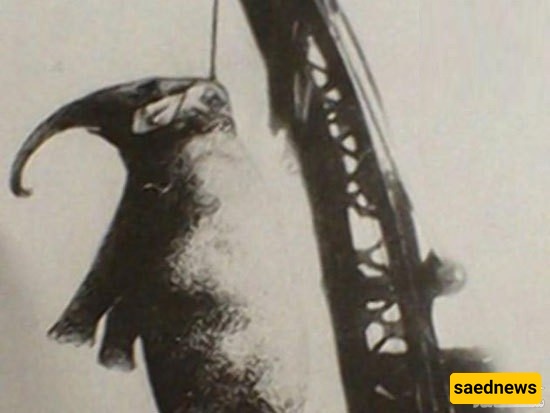
In 1916, the Sparks World Famous Shows circus performed in a small town in Tennessee. A female elephant named Mary was being handled by a new trainer, Eldridge, who had no previous experience working with elephants.
During the performance, Mary became distracted by watermelons lying on the ground. To force her back into line, Eldridge struck her with a sharp metal hook. The painful blow enraged the elephant. Mary grabbed him with her trunk, slammed him to the ground, and fatally crushed his head in front of the horrified audience.
The crowd demanded that Mary be killed. One spectator even fired a pistol at her, but the bullets could not penetrate her thick skin. Fearing financial ruin if it failed to act, the circus announced a public execution. A large crowd gathered as Mary was hanged from a crane.
In 1474, a rooster in Basel, Switzerland, reportedly laid an egg—an event considered biologically impossible.
Rather than inspiring scientific curiosity, people in the 15th century viewed the incident as a sign of evil. The rooster was accused of committing a crime against nature, put on trial, and sentenced to be burned alive. During the execution, officials reportedly found three more eggs inside the bird.
At the time, many believed that eggs laid by a rooster were connected to the devil or could be used in witchcraft. Modern historians suggest the bird may actually have been a hen mistakenly identified as a rooster.
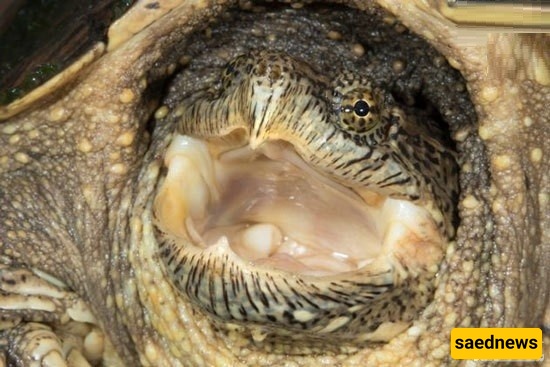
In March 2018, an Idaho high school science teacher, Robert Crosland, sparked outrage after allegedly feeding a live puppy to a large snapping tortoise during a classroom demonstration about omnivores.
Students who witnessed the event said the tortoise bit the puppy while classmates screamed and begged the teacher to stop. They also claimed the tortoise had previously been fed guinea pigs and other small animals.
Authorities launched an investigation into the incident. The tortoise was confiscated, and officials initially decided it should be euthanized. Public reaction was intense, with animal lovers protesting and many parents calling for the teacher's dismissal.
San Francisco in 1921 was very different from today. Pet owners commonly allowed their dogs and cats to roam freely outdoors.
An Airedale Terrier named Dormie became notorious for attacking and killing neighborhood cats. One particularly disturbing incident involved a mother cat feeding her kittens in a yard when Dormie attacked, killing her and several of her young. Altogether, the dog was blamed for killing 14 cats.
Local law required owners to immediately destroy dogs that committed such attacks. Dormie's owner refused, leading to a formal legal case against the dog. Ultimately, the judge released Dormie and instead recommended ending the mandatory destruction law, encouraging cat owners to keep their pets indoors.

In 1457, a child playing near a pig enclosure in France accidentally fell inside. A large sow and her six piglets, apparently hungry, attacked and killed the child.
French law at the time required animals accused of serious crimes to stand trial before execution. The sow and her piglets were prosecuted for the killing.
The court sentenced the mother pig to death but spared the piglets, reasoning that they had merely followed their mother's example.

During the Napoleonic Wars, a French ship was wrecked near the English village of Hartlepool.
When local residents investigated the wreck, a monkey—reportedly the ship's mascot—emerged. Having heard frightening stories about the French but never having seen one, the villagers mistakenly believed the monkey was a French spy.
According to local legend, the animal was tried and hanged.

The relationship between cattle and humans stretches back thousands of years. Historical records show that cattle were sometimes prosecuted for causing deaths or spreading disease.
Legal documents from 1499 describe a French village where a cow killed a 14-year-old boy. The local court sentenced the animal to death.
Another historical account from 1796 tells of a plague spreading among cattle in a German village. A veterinarian concluded that a bull had infected numerous cows after mating with them. The bull was publicly condemned and executed.
Today, destroying rodents that damage crops or property is considered routine. In 1519, however, residents of the Austrian town of Stelvio held a formal court proceeding to determine what should be done about animals that destroyed crops and burrowed through farmland.
Some argued that killing the animals was cruel, especially pregnant females or those caring for young. A man named Hans Grienebner served as the animals' legal defender, arguing that they were simply behaving according to nature and that humans should adapt.
The prosecutor countered that the rodents had caused such severe agricultural damage that some farmers could barely afford their rent. The judge ultimately ruled that landowners were permitted to kill animals responsible for financial losses.
In 1494, a couple living on church-owned farmland in France left their door open during warm weather while tending to daily chores. Their infant slept nearby in a cradle.
A pig wandered into the house searching for food and attacked the baby, fatally injuring the child's face and neck before horrified family members could intervene.
The pig was captured, imprisoned, and later publicly executed after being found guilty of the attack.