SAEDNEWS: Some children develop a strong preference for particular clothes or shoes because they feel comfortable, familiar, and emotionally reassuring. Understanding these preferences can help parents respond with patience while supporting healthy independence and flexibility.

According to SAEDNEWS, children may become strongly attached to specific clothing or footwear for several reasons. A favorite item may feel more comfortable than others, especially if its fabric, size, or shape feels familiar. Children also often enjoy routines, so wearing the same outfit can provide a sense of predictability and security.
Physical comfort is one of the most common reasons behind clothing preferences. Some children may prefer soft fabrics, loose-fitting clothes, or shoes that already feel comfortable on their feet. New materials, tight waistbands, stiff shoes, or unfamiliar textures may make other options less appealing.
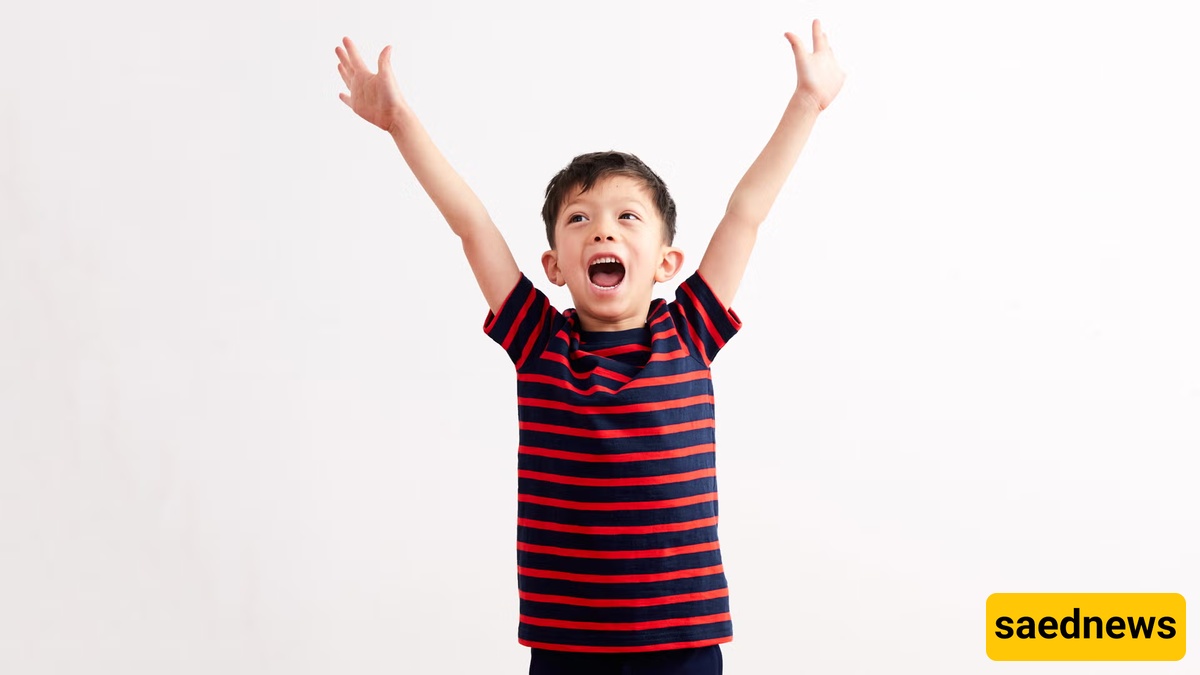
A particular shirt, dress, jacket, or pair of shoes can become connected to pleasant memories and feelings. When children repeatedly wear something they enjoy, the item can become a source of comfort. Asking a child why they like a certain item can sometimes reveal that it makes them feel happy, confident, or safe.
Choosing what to wear is also a simple way for children to express independence. As they grow, they begin developing personal tastes and may strongly prefer certain colors, designs, or styles. Allowing them reasonable choices can help children feel that their opinions are valued.
Parents do not necessarily need to prevent a child from wearing a favorite item repeatedly. Instead, they can gradually introduce alternatives while respecting the child's preferences. Offering two or three suitable choices, buying similar comfortable items, and involving the child in selecting clothes can make transitions easier.
A strong preference is usually not a concern by itself. However, if a child becomes extremely distressed whenever a particular item is unavailable or refuses nearly all other clothing or footwear, parents may want to pay closer attention. Understanding the underlying reason rather than forcing an immediate change can help make daily routines calmer and more manageable.