SAEDNEWS: Children make mistakes as part of learning and developing new skills. A calm and supportive response can help them understand what went wrong, take responsibility, and feel confident enough to try again. Parents can guide children by focusing on solutions rather than blame or harsh criticism.

According to SAEDNEWS, mistakes are a natural part of childhood development. Children are still learning how to make decisions, control their emotions, and understand the consequences of their actions. Instead of treating every mistake as a failure, parents can use it as an opportunity to teach an appropriate lesson. A calm reaction helps children feel safe while discussing what happened.
A strong emotional reaction can make a child more afraid of making future mistakes. Parents should first remain calm and listen to the child's explanation. Speaking respectfully makes it easier for children to understand the problem without feeling embarrassed or rejected. Clear and simple language is often more effective than lengthy criticism.
After understanding what happened, parents can ask questions such as, “What could you do differently next time?” This encourages children to think about solutions instead of simply waiting for an adult to correct the problem. Depending on their age, children can also participate in fixing or correcting the result of their mistake.
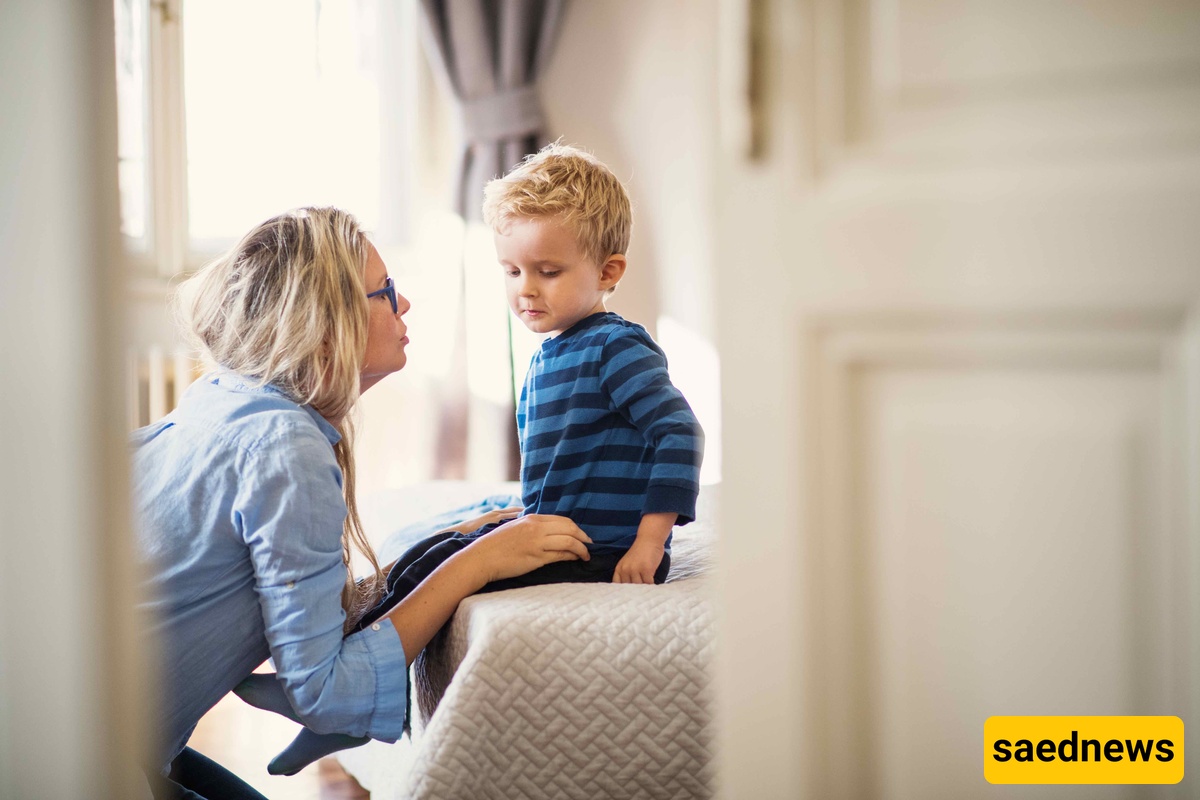
Children should gradually learn that their actions have consequences. However, teaching responsibility does not require humiliation or constant punishment. Parents can explain the connection between an action and its result and encourage the child to make a better choice next time. Consistent guidance helps children develop accountability and better decision-making skills.
One mistake should not define a child's abilities or character. Parents can recognize genuine effort and encourage children to try again after correcting an error. Positive guidance builds patience, confidence, and resilience. When children learn that mistakes can be corrected, they are more likely to approach challenges with greater confidence.