SAEDNEWS: Some changes in a child’s behavior, energy, appetite, sleep, or physical condition may signal a health concern. Recognizing persistent or unusual symptoms early can help parents seek appropriate medical attention and support their child’s well-being.

According to SAEDNEWS, parents should pay attention when a child experiences noticeable changes that continue for several days or interfere with daily activities. Persistent tiredness, unusual weakness, repeated headaches, or a significant change in normal behavior may deserve closer attention, especially when these signs have no clear explanation.
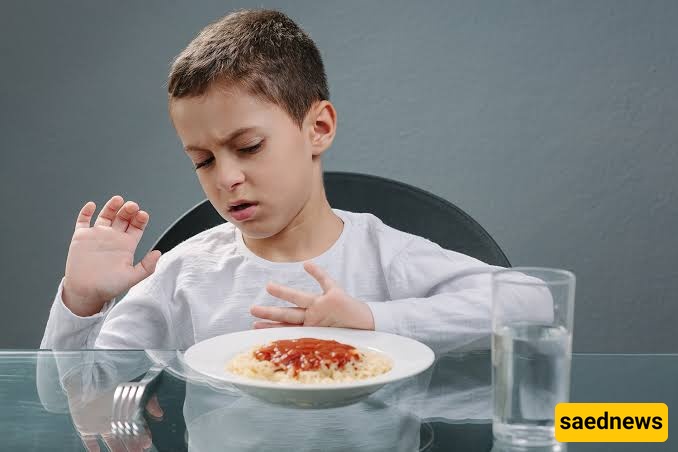
A sudden and lasting loss of appetite, frequent difficulty eating, unusual thirst, or noticeable changes in weight should not be ignored. Parents should also monitor their child’s growth and development over time. Significant changes from the child’s usual pattern may be worth discussing with a healthcare professional.
Repeated stomachaches, headaches, joint pain, breathing difficulties, or other unexplained physical complaints can require medical evaluation. A symptom becomes particularly important when it is severe, keeps returning, becomes worse, or prevents the child from sleeping, playing, eating, or attending school normally.
Changes in sleep, mood, concentration, or social behavior can sometimes accompany physical or emotional difficulties. Ongoing irritability, unusual withdrawal, difficulty concentrating, frequent nighttime waking, or major changes in sleeping habits should be observed rather than dismissed as temporary behavior.
Parents should seek prompt medical advice when symptoms are severe, persistent, rapidly worsening, or significantly affect a child’s normal activities. Sudden serious symptoms, difficulty breathing, loss of consciousness, severe dehydration, or other emergency signs require immediate medical attention. Keeping track of when symptoms began and how they change can also help healthcare professionals assess the situation more effectively.