SAEDNEWS: Children may experience stress because of school, changes in routine, family concerns, or social situations. Supportive communication, healthy routines, physical activity, and enough rest can help children feel calmer and more secure.
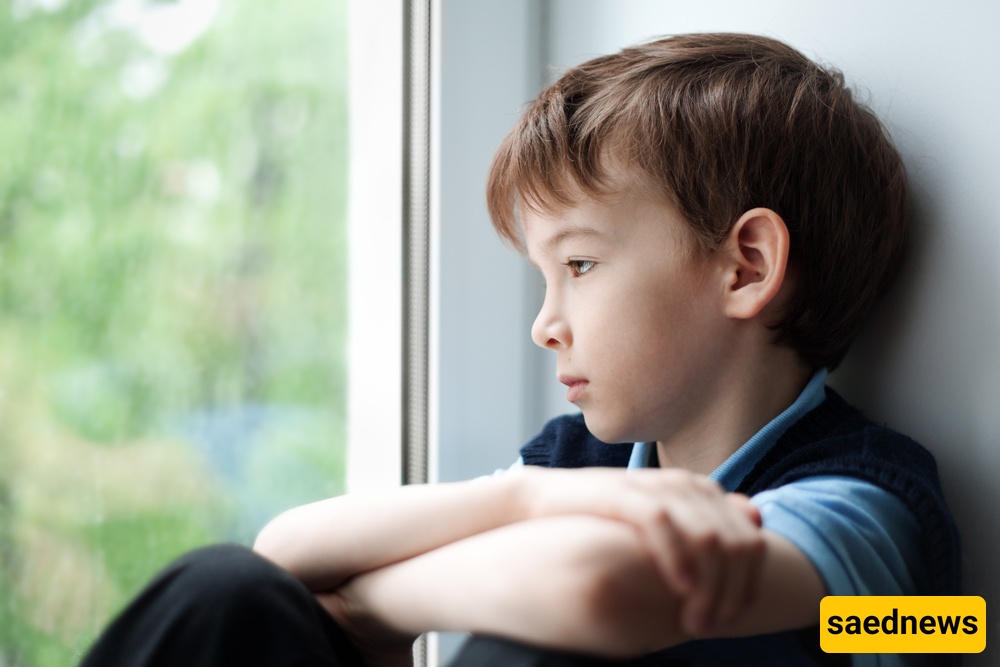
According to SAEDNEWS, stress and worry can affect children in different ways, including changes in mood, sleep, concentration, or behavior. Parents can help by paying attention to these changes and creating a safe environment where children feel comfortable expressing their concerns. Listening patiently without immediately criticizing or dismissing their feelings can make children feel understood.
Children often feel less worried when they know they can talk to a trusted parent or caregiver. Asking gentle questions and allowing children to explain their feelings can help identify what is troubling them. Parents should avoid making children feel ashamed of their fears and instead offer reassurance and age-appropriate guidance.

A predictable routine can provide children with a greater sense of security. Regular times for studying, playing, eating, relaxing, and sleeping can make daily responsibilities feel more manageable. Preparing children in advance for changes in their schedule can also reduce uncertainty and unnecessary worry.
Regular movement can help children release tension and improve their mood. Walking, stretching, playing outdoors, or participating in enjoyable age-appropriate activities can become healthy ways to manage everyday stress. Quiet activities such as reading, drawing, breathing exercises, or spending peaceful time with family can also help children relax.
Children benefit from encouragement that focuses on effort rather than perfection. Parents can help them divide difficult tasks into smaller steps and celebrate reasonable progress. A supportive home environment, sufficient sleep, nutritious meals, and positive family interactions can strengthen emotional well-being and help children develop healthier ways to cope with stress.