SAEDNEWS: Teaching personal hygiene from an early age helps children stay healthy, feel confident, and develop responsible daily routines. Simple guidance, consistency, and positive encouragement can make hygiene habits easier for children to follow.
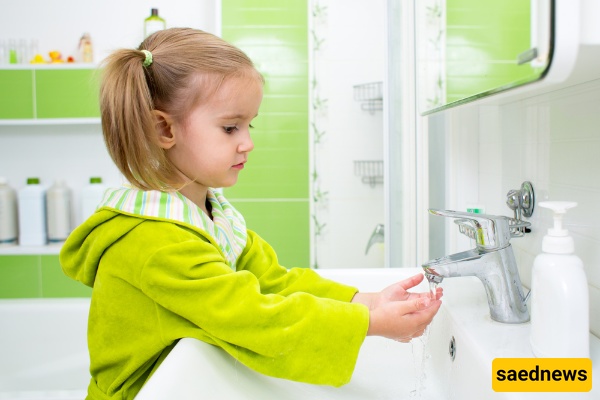
According to SAEDNEWS, children are more likely to develop good hygiene habits when these activities become a regular part of their daily schedule. Parents can establish simple routines for washing hands, brushing teeth, bathing, and keeping clothes clean. Repeating these activities at consistent times helps children understand that personal hygiene is a normal part of everyday life.
Children may follow hygiene rules more willingly when they understand why they matter. Parents can explain that washing hands helps remove dirt and germs, while brushing teeth helps keep the mouth clean and healthy. Using simple language and age-appropriate explanations can make these lessons easier to understand and remember.
Giving children opportunities to handle hygiene tasks themselves can strengthen their sense of responsibility. Parents can initially guide them through each activity and gradually allow them to complete more steps independently. Gentle supervision is especially helpful when children are still learning proper techniques.
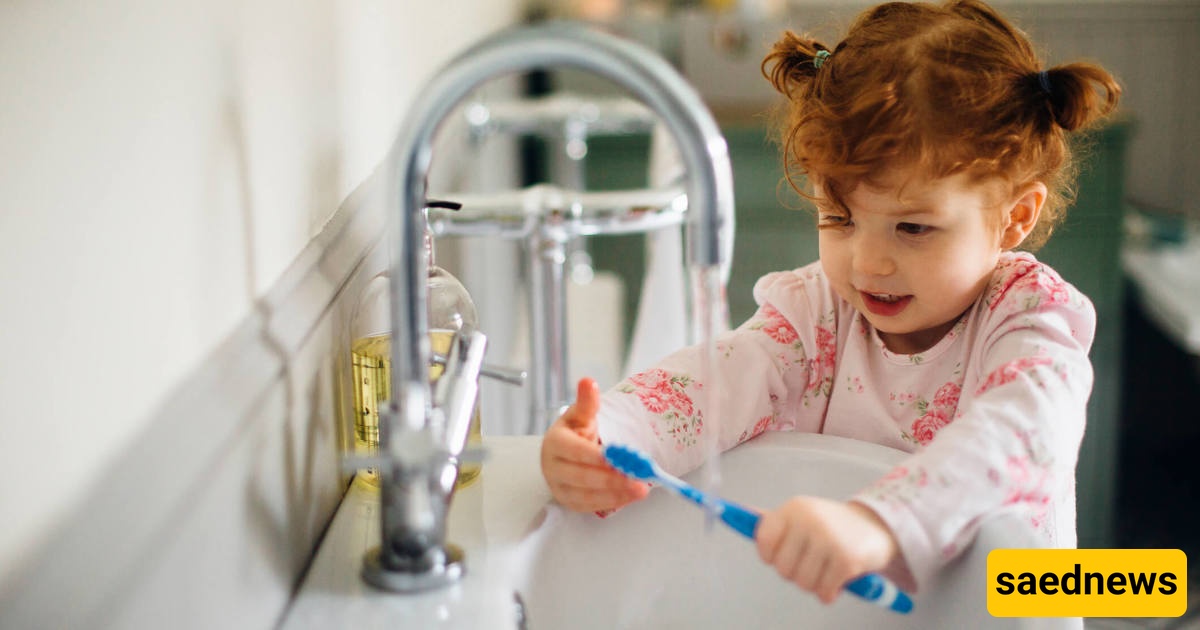
Positive encouragement can make personal hygiene more enjoyable. Parents can praise children when they remember a hygiene task or complete it carefully. Avoiding harsh criticism and unnecessary pressure helps children associate cleanliness with positive experiences rather than fear or punishment.
Children often learn by observing the adults around them. When parents consistently practice good personal hygiene, children can naturally imitate those behaviors. Making hygiene a shared family routine can reinforce the importance of cleanliness and help children maintain these habits as they grow.