SAEDNEWS: Fruits and vegetables contain some of the most important nutrients for human health, yet many people do not consume enough of them.
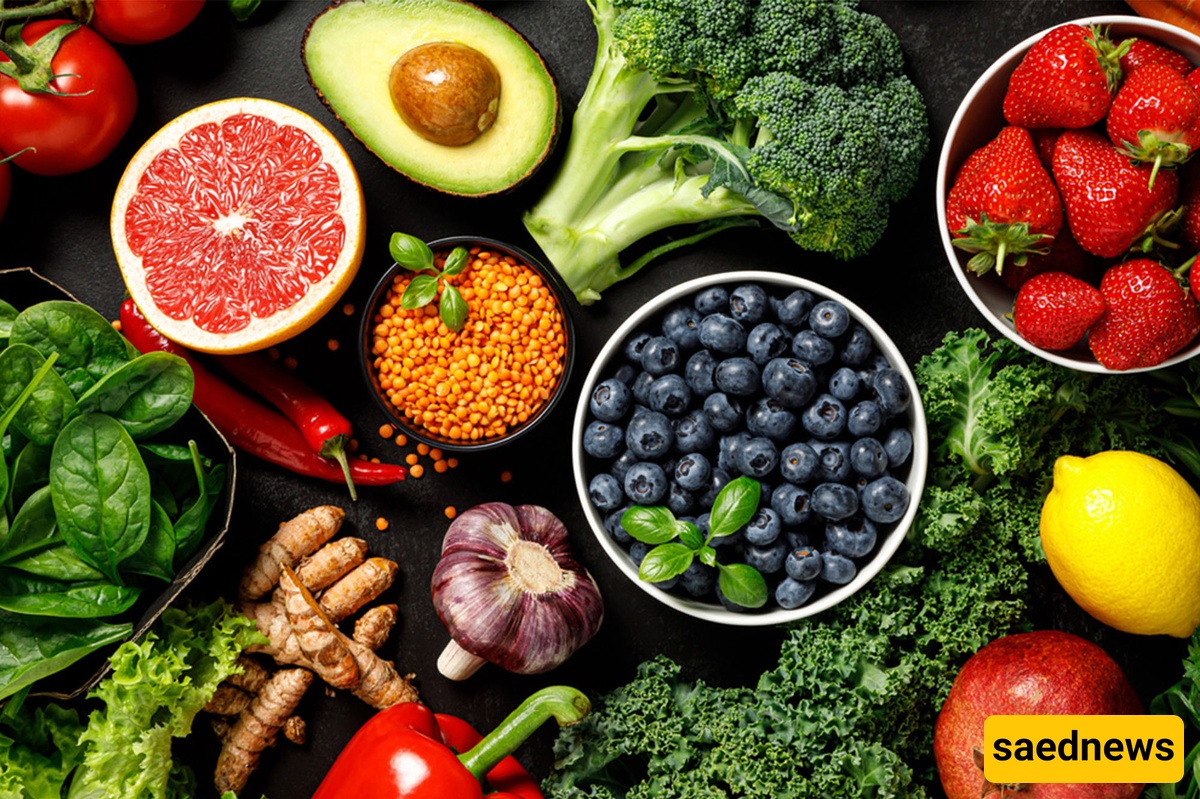
According to SAEDNEWS, Fruits and vegetables are rich in a variety of nutrients, and as a result, they can provide numerous health benefits for the human body.
Although supplements can sometimes be used as an alternative to these beneficial foods, consuming fresh fruits and vegetables is the best way to obtain all the beneficial compounds they contain. Insufficient intake of fruits and vegetables can lead to significant health problems.
Fruits and vegetables contain some of the most important nutrients for human health, yet many people do not consume enough of them. Eating too few fruits and vegetables can result in nutrient deficiencies. Many of these deficiencies may cause undesirable side effects. Although other foods can provide many essential nutrients, fruits and vegetables have a high nutrient density, making them excellent sources of vitamins and minerals.
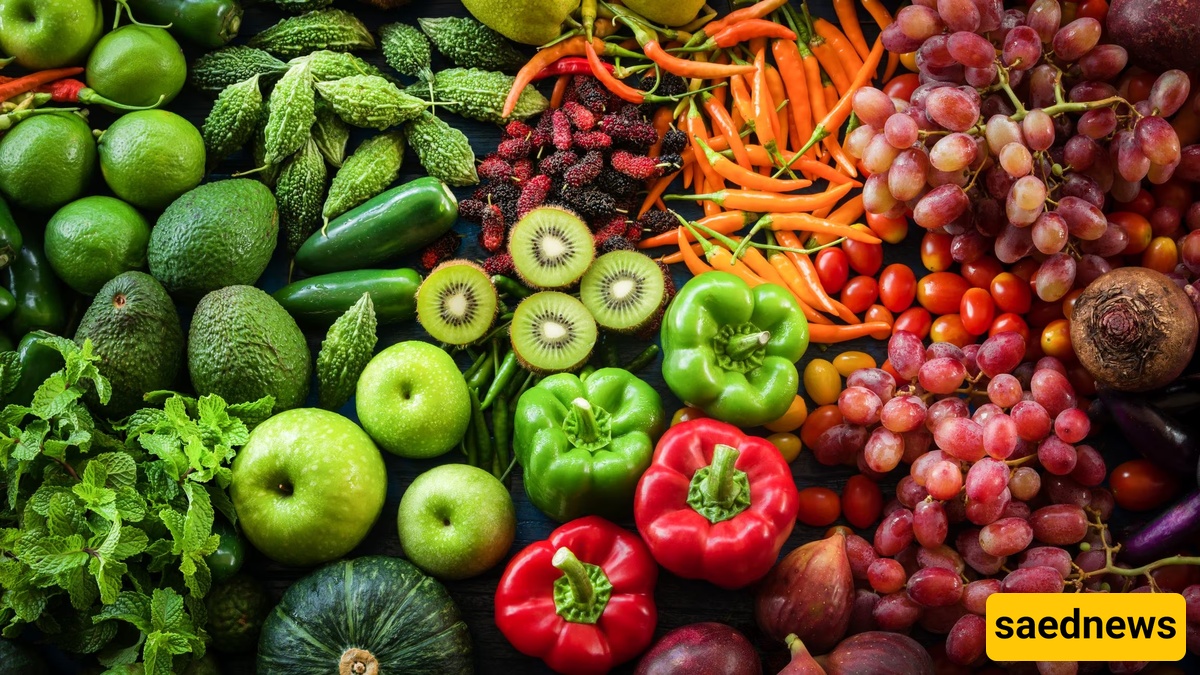
Without enough fruits and vegetables in the diet, people become more prone to digestive issues such as constipation, hemorrhoids, and diverticular disease. Fruits and vegetables contain cellulose, which increases stool bulk, makes bowel movements easier, and reduces transit time through the digestive system. Additionally, the fiber found in fruits and vegetables helps relieve and prevent constipation, stimulates intestinal muscles, and helps maintain their strength. This reduces pressure in the lower abdomen and lowers the risk of swollen veins in the rectal area that can lead to hemorrhoids.
A study conducted at Harvard University found that a diet high in dietary fiber — with fruits and vegetables being among the best sources — can reduce the risk of diverticular disease.
No single food can protect a person against cancer, but a diet rich in plant-based foods may help reduce the risk of developing cancer. Antioxidants such as vitamin E, vitamin C, and carotenoids may lower cancer risk by protecting healthy cells from damage caused by free radicals.
Carotenoids, pigments that include beta-carotene and are found in spinach and other dark leafy greens, citrus fruits, sweet potatoes, and carrots, may protect against cellular damage and have been associated with lower cancer rates. In addition, excessive fat intake has been linked to cancer; therefore, replacing unhealthy foods with fruits and vegetables in the diet may help reduce cancer risk.
If you do not consume enough fruits and vegetables, you are more likely to eat foods with higher fat content and greater calorie density. A study conducted at the Albert Einstein College of Medicine found that overweight or obese American adults consumed fewer fruits and vegetables compared with adults who had a normal weight. In many cases, diets high in energy-dense foods can lead to overeating and weight gain.
Fruits and vegetables are low in calories and energy density. Therefore, consuming them can help you feel full while taking in fewer calories.
Since weight gain is linked to diabetes, the risk of developing this condition increases when you consume foods with a high energy density. Because excess weight is one of the most important risk factors for type 2 diabetes, studies have shown that increasing fruit and vegetable intake may indirectly reduce the likelihood of developing this condition.
A study conducted at Tulane University found that consuming green leafy vegetables and fruits was associated with a lower risk of diabetes. Additionally, if you already have diabetes, not eating enough fruits and vegetables may worsen the condition. For people with diabetes, consuming carbohydrates such as bread, rice, pasta, and processed foods can make blood sugar levels more difficult to control. Replacing these foods with low-carbohydrate vegetables such as dark leafy greens, broccoli, cauliflower, tomatoes, eggplant, and whole fruits may help regulate glucose levels.
A diet high in sodium and low in fruits and vegetables can contribute to higher blood pressure. A diet rich in fruits and vegetables can help lower blood pressure, and for people with hypertension, such a diet may be as effective as medications in reducing blood pressure. Following a diet rich in fruits and vegetables can help decrease sodium intake, which in turn may help lower blood pressure.
Eating fruits and vegetables may reduce the risk of heart disease and stroke due to their blood pressure-lowering effects. Fruits and vegetables contain no cholesterol, so replacing cholesterol-containing foods with them may help reduce the risk of heart disease and stroke.
Researchers have investigated the connection between the foods we eat and our mental health. A recent large study in Spain found that people who follow a diet rich in fruits and vegetables are less likely to develop depression. Although the exact mechanisms behind the protective effects of fruits and vegetables on mental health are not fully understood, deficiencies in nutrients such as vitamin B5 (pantothenic acid) and vitamin B6 may increase the risk of depression.