SAEDNEWS: Peanuts, in terms of their protein content, belong to the legume family, similar to chickpeas, lentils, and beans. Therefore, they are not considered true nuts. Peanuts are a good source of energy. One hundred grams of peanuts contain approximately 50 grams of fat and 16 grams of carbohydrates.
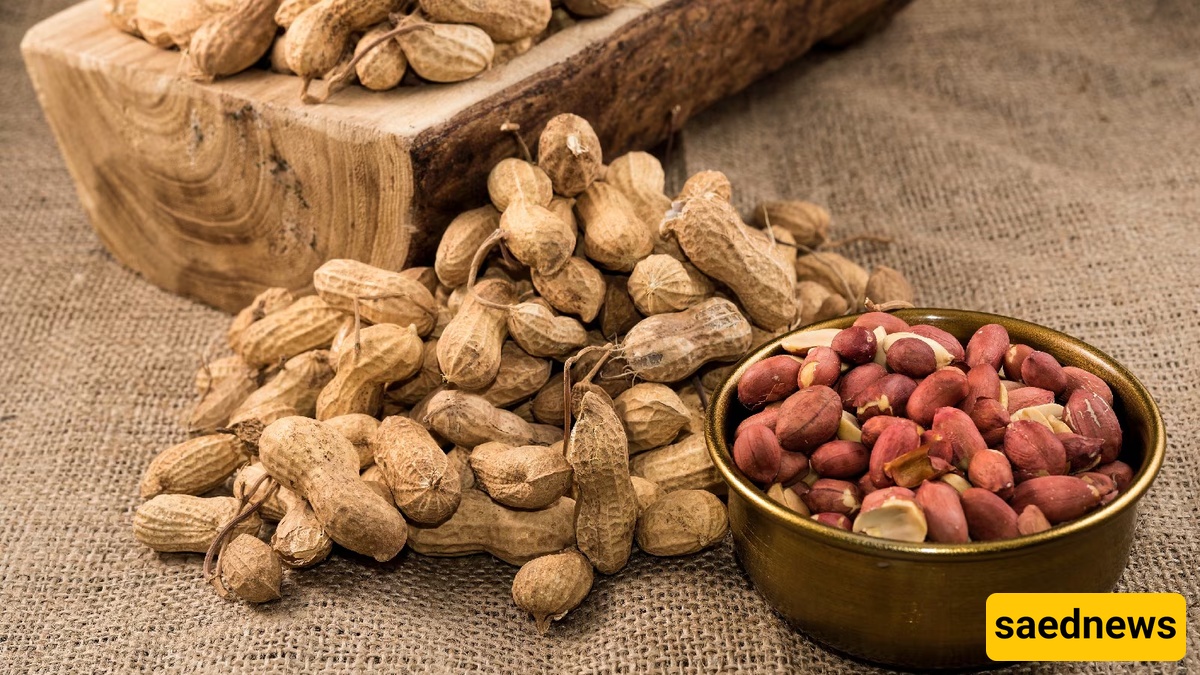
According to SAEDNEWS, Peanuts are rich in protein, healthy fats, and various important nutrients. Studies suggest that peanuts may even help with weight management and are associated with a reduced risk of heart disease.
Peanuts are high in fat. In fact, they are classified as oilseeds. A large portion of the world’s peanut harvest is used to produce peanut oil (arachis oil). The fat content ranges from 44–56% and mainly consists of monounsaturated and polyunsaturated fats, most of which are made up of oleic acid and linoleic acid.
Peanuts are a good source of protein. Protein makes up about 22–30% of their total calories, making peanuts an excellent source of plant-based protein. The most abundant proteins in peanuts, arachin and conarachin, can be highly allergenic for some people and may cause life-threatening allergic reactions.
Peanuts are an excellent source of protein. However, it is important to remember that some people may be allergic to peanut proteins.
Peanuts are low in carbohydrates. In fact, carbohydrates account for only about 13–16% of their total weight. Due to their low carbohydrate content and high levels of protein, fat, and fiber, peanuts have a very low glycemic index (GI). Their low carbohydrate content makes them a suitable food choice for people with diabetes.
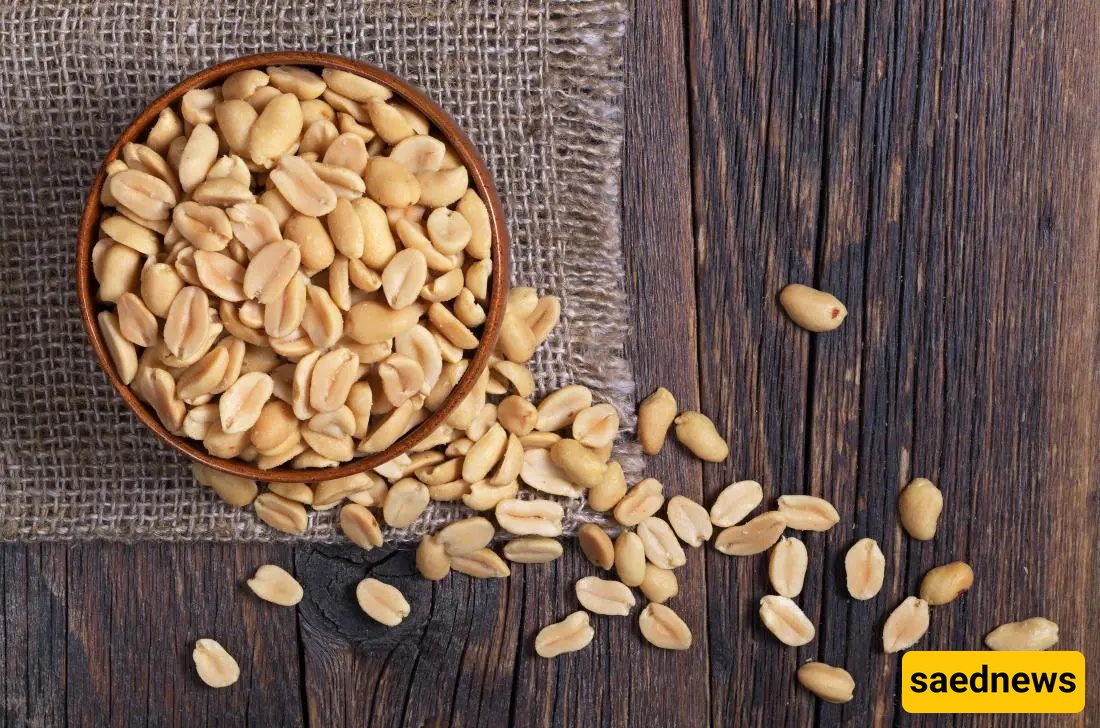
Peanuts are an excellent source of various vitamins and minerals, including:
Biotin: Peanuts are one of the richest dietary sources of biotin, which is especially important during pregnancy.
Copper: An essential dietary mineral, copper is often low in Western diets. A deficiency may have negative effects on heart health.
Niacin: Also known as vitamin B3, niacin has several important functions in the body. It helps reduce the risk of heart disease.
Folate: Also known as vitamin B9 or folic acid, folate plays many essential roles and is particularly important during pregnancy.
Manganese: Manganese is found in drinking water and many foods.
Vitamin E: A powerful antioxidant, this vitamin is often found in high amounts in fatty foods.
Thiamine: One of the B vitamins, thiamine is also known as vitamin B1. It helps body cells convert carbohydrates into energy and is essential for proper heart, muscle, and nervous system function.
Phosphorus: Peanuts are a good source of phosphorus, a mineral that plays an important role in the growth and maintenance of body tissues.
Magnesium: An essential dietary mineral with various important functions, adequate magnesium intake may help protect against heart disease.
Weight Management
Peanuts have been extensively studied regarding weight maintenance. Despite their high fat and calorie content, peanuts do not appear to contribute to weight gain. In fact, observational studies have shown that peanut consumption may help maintain a healthy weight and reduce the risk of obesity.
Heart Health
Heart disease is one of the leading causes of death worldwide. Observational studies suggest that eating peanuts, as well as other types of nuts, may help protect against heart disease. Notably, peanuts contain several nutrients that support heart health.
Prevention Of Gallstones
Gallstones affect approximately 10–25% of adults in the United States. Two observational studies suggest that frequent peanut consumption may reduce the risk of gallstones in both men and women. Since most gallstones are largely made up of cholesterol, the cholesterol-lowering effects of peanuts may be the reason behind this protective effect.
Apart from allergies, eating peanuts is not associated with many side effects. However, there are still some health concerns that should be considered.
Peanuts can sometimes become contaminated with a type of mold (Aspergillus flavus) that produces aflatoxin. The main symptoms of aflatoxin poisoning include loss of appetite and yellow discoloration of the eyes (jaundice), which are signs of liver problems.
Severe aflatoxin poisoning can lead to liver failure and liver cancer.
The risk of aflatoxin contamination depends on how peanuts are stored. The risk increases under warm and humid conditions, especially in tropical regions.
Aflatoxin contamination can be effectively prevented by properly drying peanuts after harvest and maintaining low temperature and humidity levels during storage.
Peanuts are among the most common food allergens. It is estimated that peanut allergy affects approximately 1% of Americans. Peanut allergy can be potentially life-threatening, and peanuts are sometimes considered one of the most severe food allergens.
People with peanut allergies should avoid all peanuts and peanut-based products.