SAEDNEWS: The beta-carotene in watermelon is converted into vitamin A after entering the body. This helps protect children against age-related eye disorders.
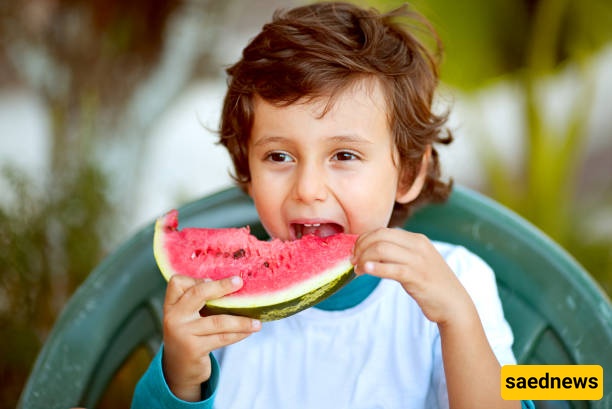
According to SAEDNEWS, Nutrition during the first months of life has a direct impact on a child’s future. Therefore, parents should pay attention to providing the best foods for their children to ensure proper and healthy growth. Watermelon is one of the fruits that many children usually enjoy.
Watermelon Supports Heart And Bone Health
Watermelon contains lycopene, which is mainly beneficial for cardiovascular health because it helps improve blood pressure. Studies also show that watermelon can support bone health due to its calcium content, reduce the risk of osteoporosis, and help strengthen children’s joints.
Watermelon Has Powerful Antioxidant And Anti-Inflammatory Properties
Watermelon contains compounds that help reduce inflammation and neutralize free radicals. Make sure to choose ripe watermelons because they contain higher levels of anti-inflammatory compounds.
Watermelon Improves Vision
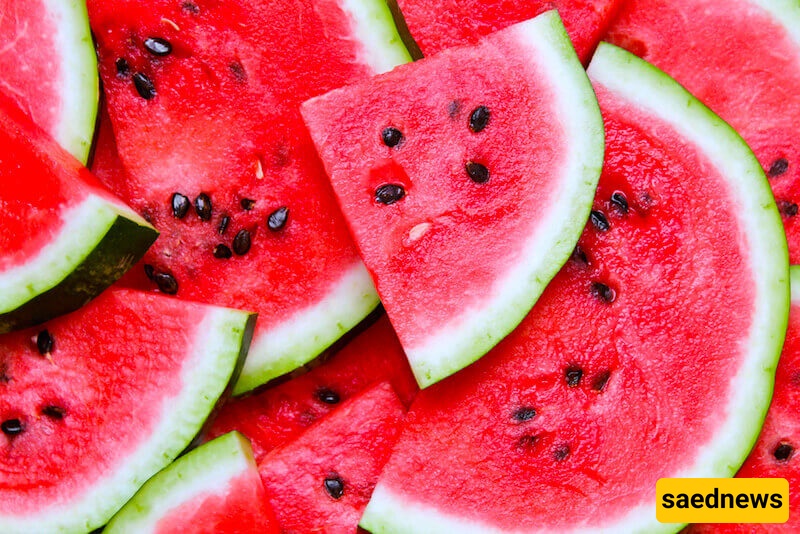
The beta-carotene in watermelon is converted into vitamin A after entering the body. This helps protect children against age-related eye disorders and also contributes to the formation of pigments in the retina. Vitamin A also helps maintain the health of children’s skin, teeth, and bones.
Watermelon Helps Remove Excess Fluids From The Body
Watermelon increases urine flow without putting pressure on the kidneys. It helps the body get rid of excess fluids, ensuring that your child can effectively eliminate unnecessary fluids from their body.
Watermelon Strengthens The Immune System
Watermelon is rich in vitamin C, which is highly beneficial for strengthening the immune system. Vitamin C also helps improve wound healing. Therefore, if your child has a weak immune system, giving them watermelon can naturally help boost their body’s defenses.
Watermelon Improves Digestion
Watermelon is rich in dietary fiber, which greatly supports digestive health. It can also help relieve constipation in children and may be beneficial for children with irritable bowel syndrome.
Experts recommend that, under normal conditions, giving watermelon to babies who are six months old or older is generally safe. More than 90% of watermelon is made up of water, making it an excellent way to keep your child hydrated, especially during hot summer weather. If children are not interested in eating watermelon, you can cut it into attractive shapes to encourage them to enjoy this fruit.