SAEDNEWS: Salt consumption causes thirst by increasing the concentration of sodium in the blood and stimulating osmoreceptors in the brain. These receptors detect changes in the body’s fluid balance and trigger the sensation of thirst to encourage water intake and restore normal hydration levels.
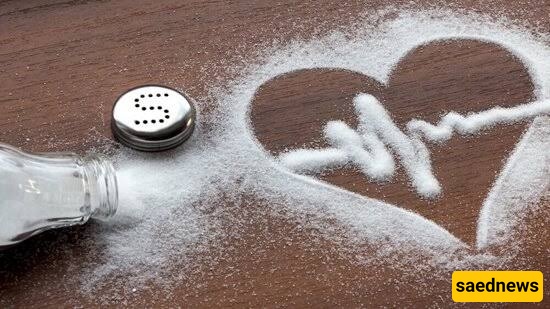
According to Saednews, Salt, or sodium chloride, is one of the most essential minerals required for human survival. Sodium plays a crucial role in maintaining the body’s fluid balance, transmitting nerve signals, enabling muscle contractions, and regulating blood pressure. The human body needs a specific concentration of sodium in the blood and fluids between cells to function properly. Any significant change in this concentration, whether an increase or decrease, can have serious health consequences.
The short answer to the question is: yes, salt makes you thirsty. However, the process is not as simple as it may seem. It involves several complex physiological mechanisms that help the body maintain its internal balance.
The primary way salt triggers thirst is through its effect on blood osmolality, which refers to the concentration of dissolved particles in the blood.
When you consume salt, sodium and chloride are absorbed into your bloodstream. This increases the concentration of sodium in the blood plasma, making the blood more concentrated or “saltier.”
The human body constantly works to maintain homeostasis, meaning a stable internal environment. When sodium levels rise, blood osmolality increases. As a result, the blood becomes more concentrated compared with the inside of body cells.
To restore balance, water moves from inside the cells into the bloodstream to dilute the excess sodium. This movement causes cells to lose some water, leading to a state of relative cellular dehydration.
This dehydration is one of the first signals that activates the body’s thirst response.

The slight dehydration of cells is detected by highly sensitive structures called osmoreceptors, which are located in the hypothalamus of the brain.
These receptors can detect even small changes in blood sodium concentration. When sodium levels increase and the osmoreceptors lose water, they become activated and send signals to different areas of the brain.
The final result is the feeling of thirst.
The hypothalamus stimulates the brain’s thirst center, creating the desire to drink water. This is an important survival mechanism that prevents severe dehydration and helps restore the body’s fluid balance.
At the same time that thirst is triggered, the hypothalamus activates another protective mechanism: the release of antidiuretic hormone (ADH), also known as vasopressin.
ADH is released from the pituitary gland and sends signals to the kidneys to reduce water loss through urine. In other words, ADH encourages the kidneys to absorb more water and return it to the bloodstream.
This process helps conserve body fluids and dilute the increased sodium concentration.
Therefore, the body responds to salt intake in two main ways:
Short-term response: Creating thirst to encourage water consumption.
Long-term response: Reducing water loss through the kidneys to preserve available fluids.
Factors That Influence Salt-Induced Thirst
Not all salty foods cause the same level of thirst. The intensity of thirst depends on several factors.
The more salt you consume, the greater the increase in blood sodium levels, leading to a stronger thirst response.
Processed foods and fast foods often contain very high amounts of salt. In addition, the combination of salt with other ingredients such as carbohydrates and fats can influence how quickly sodium is absorbed into the body.
If your body is already dehydrated, consuming salt can trigger thirst much faster and more intensely because your fluid reserves are already low.
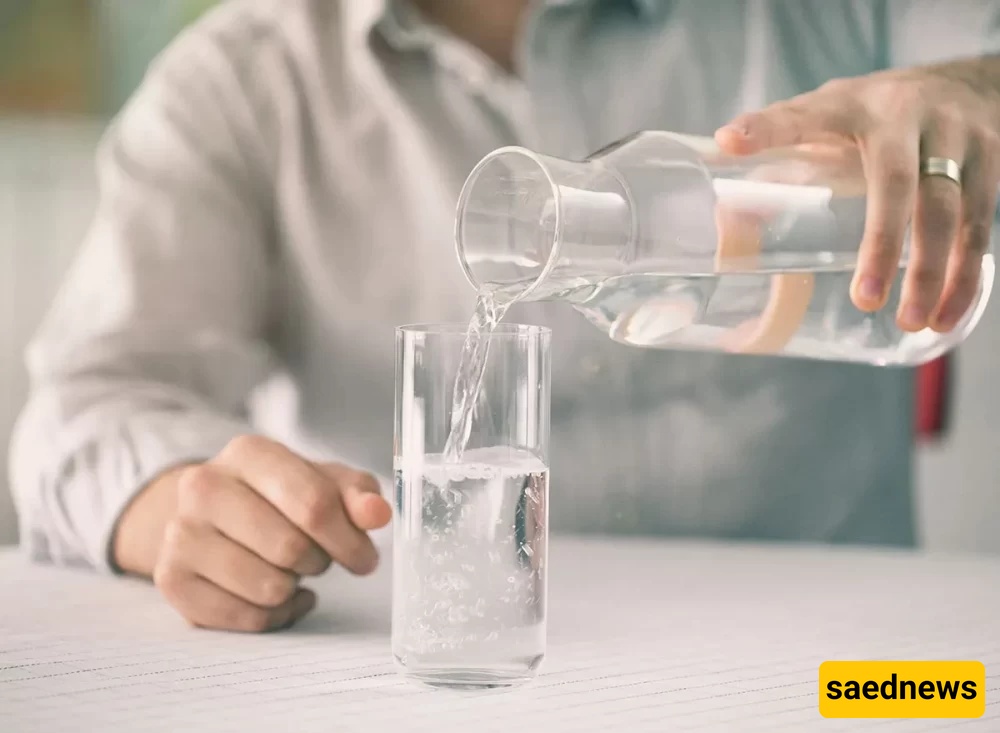
The kidneys play a major role in removing excess sodium from the body. People with kidney problems may have difficulty eliminating extra salt, which can result in stronger and longer-lasting thirst.
After exercise and sweating, the body loses both water and sodium. In this situation, consuming some salt may help restore electrolyte balance. However, consuming salt without enough water can significantly increase thirst.
Is Salt Always the Reason You Feel Thirsty?
Thirst is a complex sensation and is not caused only by salt. Many other factors can make a person feel thirsty.
The most common cause of thirst is dehydration caused by insufficient water intake, excessive sweating, diarrhea, or vomiting.
One of the classic symptoms of uncontrolled diabetes is excessive thirst, known as polydipsia. When blood sugar levels become too high, the kidneys attempt to remove excess glucose through urine. This causes increased water loss and leads to dehydration and thirst.
Diabetes insipidus is a rare condition in which the body cannot properly regulate water balance. People with this condition produce large amounts of very diluted urine, which can result in intense thirst.
Some medications, including diuretics, certain antihistamines, and some psychiatric medications, can cause dry mouth and increased thirst.
Significant blood loss can lower blood pressure and may trigger thirst as the body attempts to restore fluid levels.
Stress and anxiety can sometimes cause dry mouth and create a sensation of thirst.
Effects of Excessive Salt Intake and Chronic Thirst
Although thirst is a natural and beneficial survival mechanism, excessive salt consumption and constant thirst can contribute to health problems.
A high-salt diet is one of the major factors associated with increased blood pressure. The kidneys must work harder to remove excess sodium, and over time this may contribute to damage in blood vessels.
High blood pressure increases the risk of stroke, heart attacks, and heart failure.
Excess sodium places additional stress on the kidneys, potentially contributing to kidney damage and reduced kidney function.
Sodium loss through urine is often accompanied by calcium loss. High salt intake may reduce bone mineral density and increase the risk of osteoporosis.
In some people, excessive salt intake causes the body to retain extra water, leading to swelling in areas such as the hands, feet, and face.
Salt causes thirst because it increases the amount of sodium in the bloodstream. The body detects this change through specialized sensors in the brain and responds by creating the urge to drink water. At the same time, hormones such as ADH help the kidneys conserve water and restore normal fluid balance.
This process is a highly coordinated system designed to protect the body. Salt itself is not harmful when consumed in appropriate amounts, but excessive intake can disturb fluid regulation and increase the risk of health problems over time. Maintaining a balanced diet with adequate water intake helps keep sodium levels within the healthy range and supports proper body function.